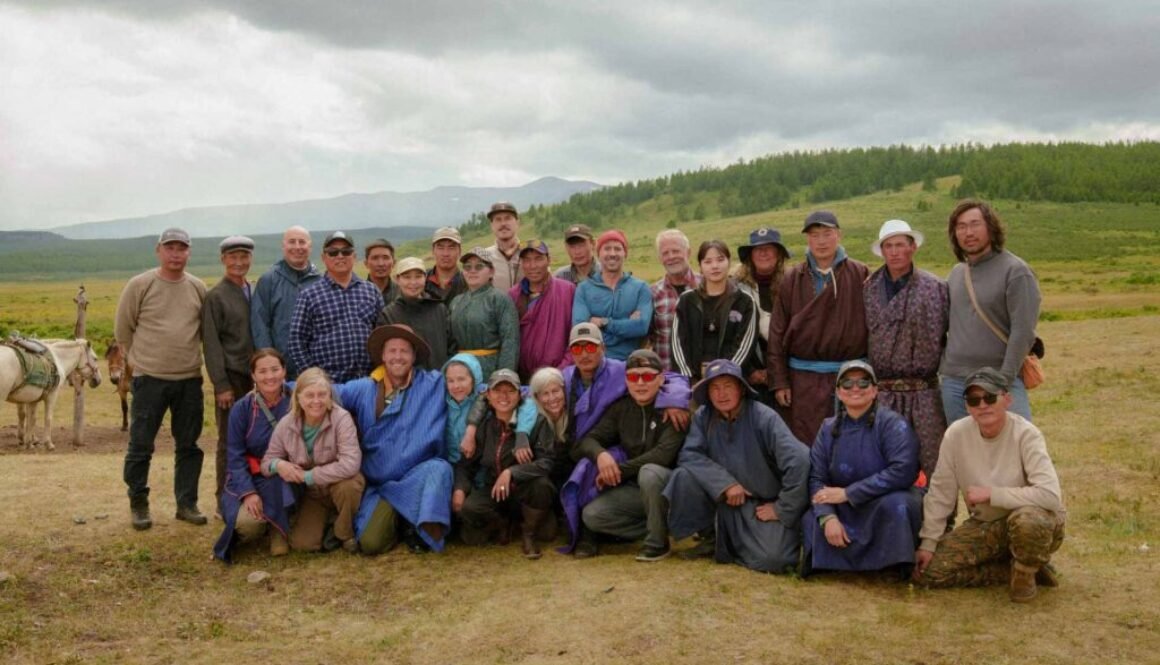
Three Rivers: Notes from the 2026 Taiga & Naadam Journey
Naadam, the Darhad Valley, and days on horseback to the Tsaatan reindeer herders.
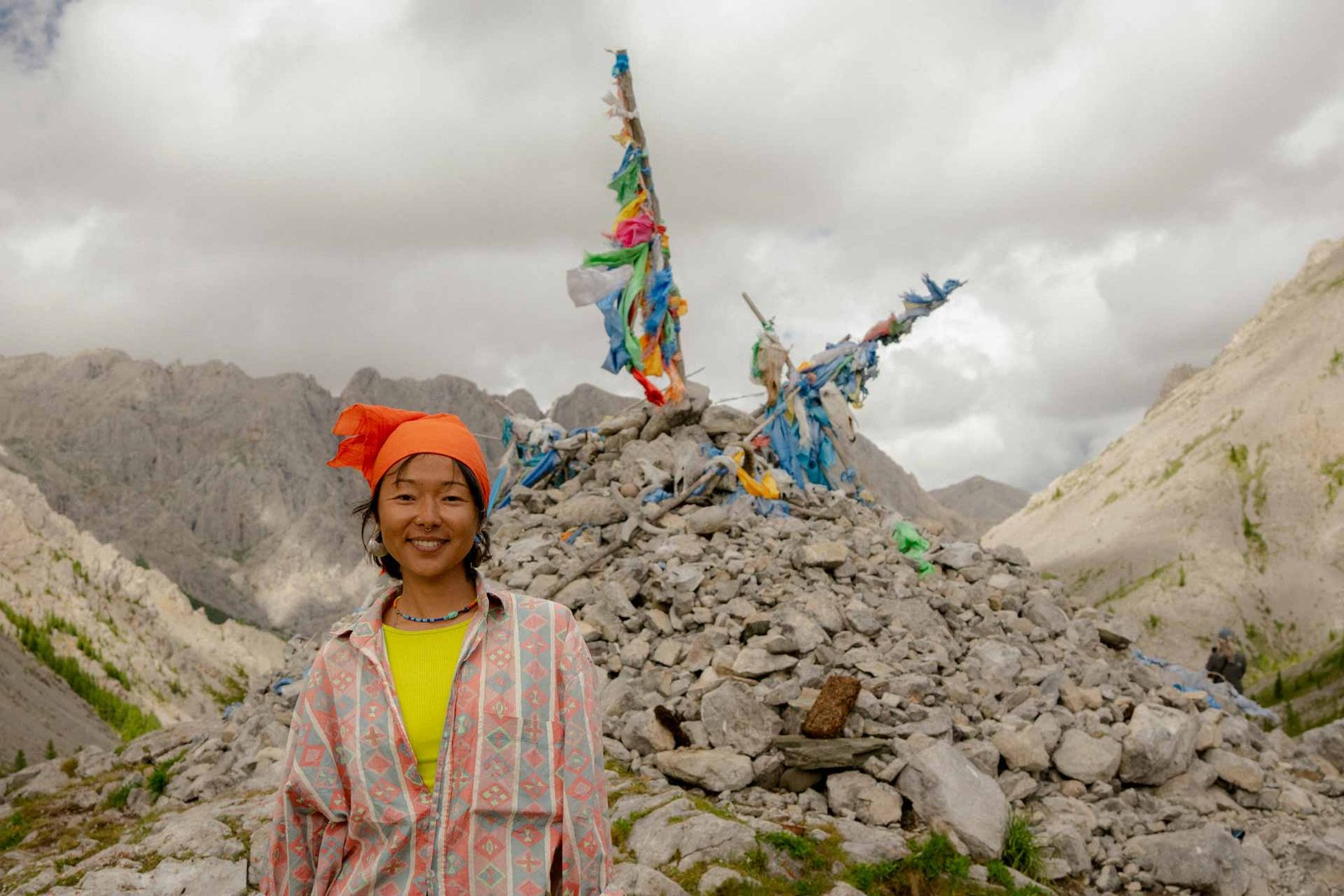
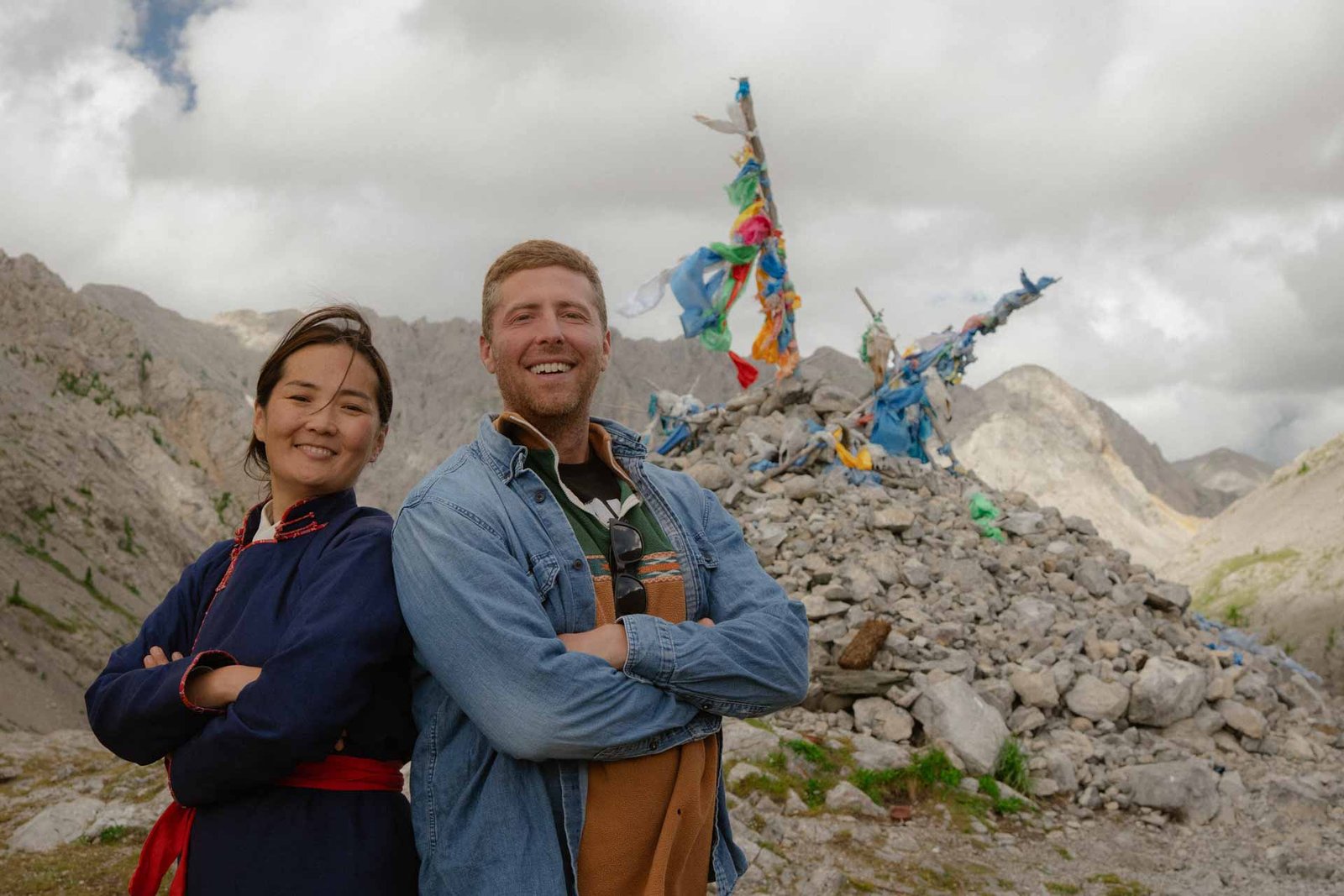
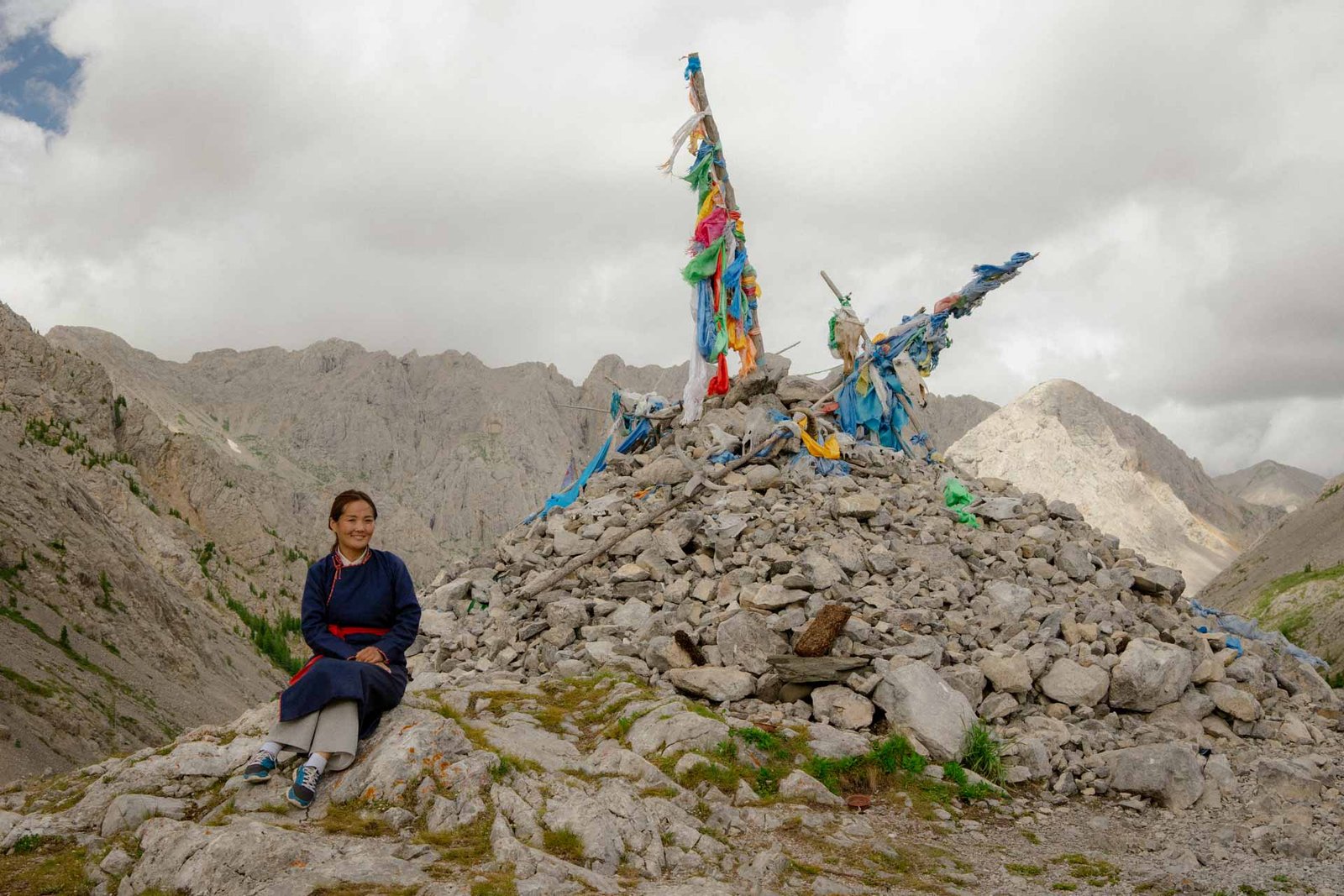
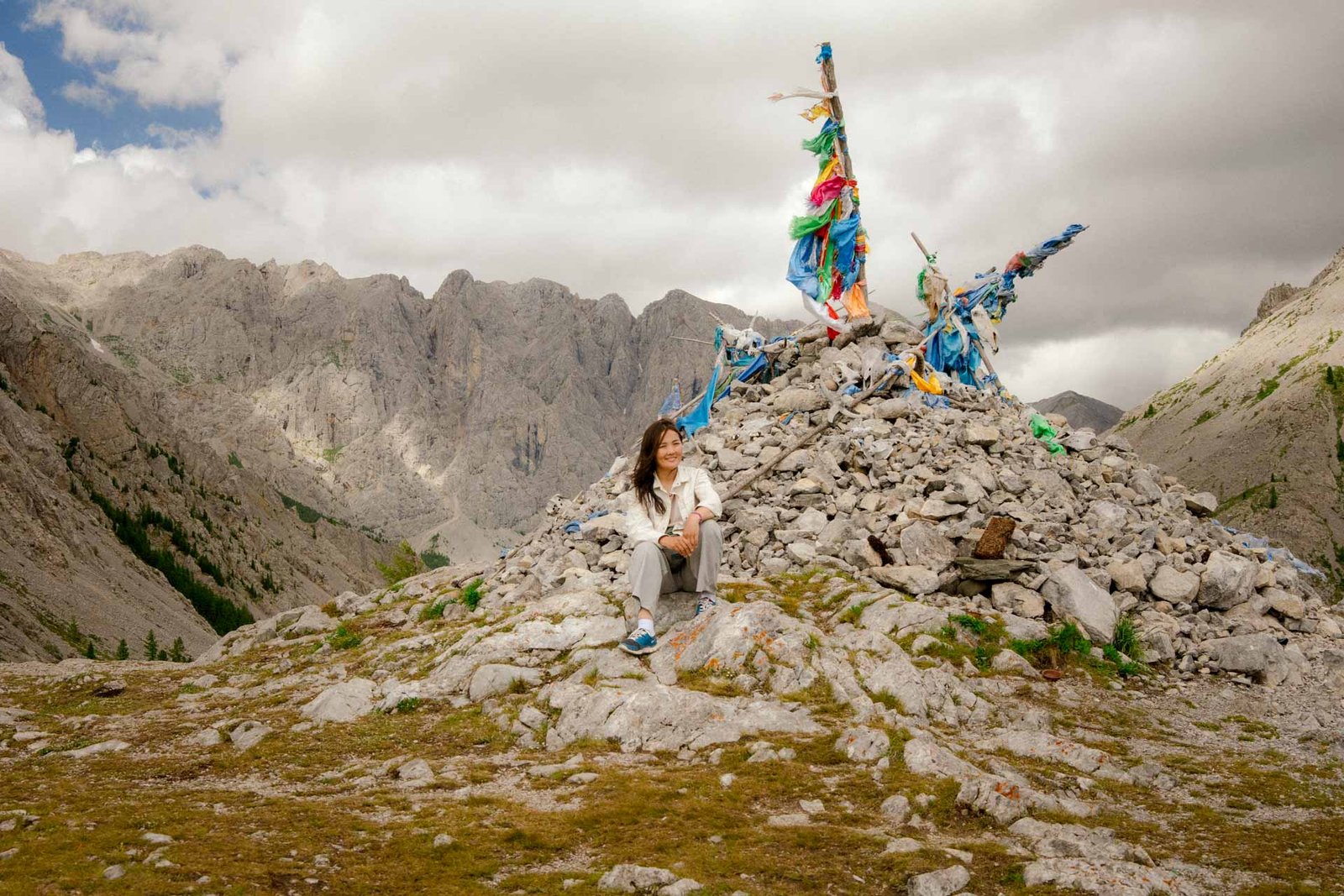
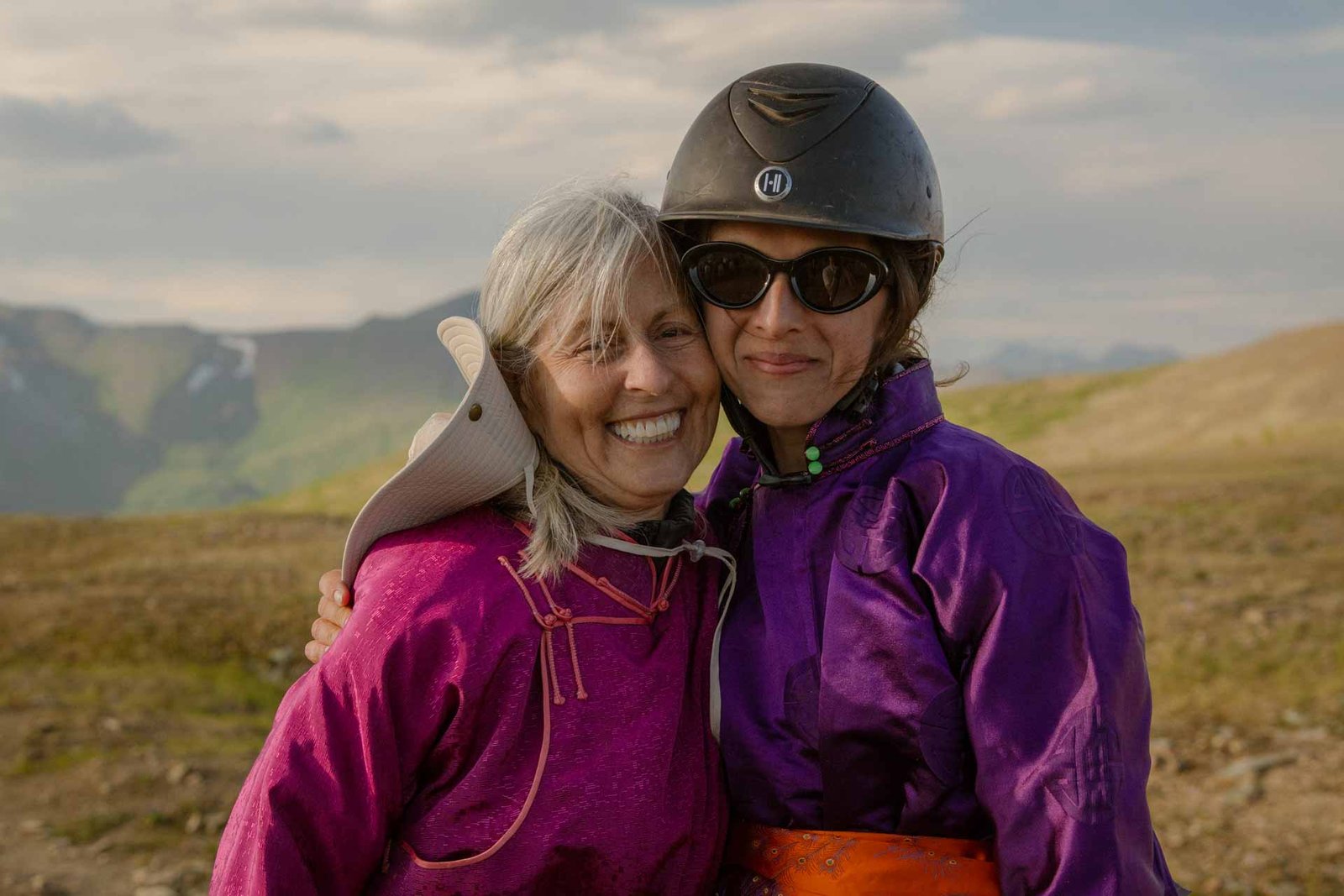
We ride toward the Tsaatan camp over a high mountain pass. For hours, there is nothing but horses, open land, and the trail ahead of us.
Then we cross the summit.
As we begin descending, reindeer appear on the mountainside. Far below, almost impossibly small against the scale of the landscape, is a cluster of teepees.
There is something about arriving this way that matters. There are no roads here. You can’t simply drive up. By the time we reach the community, we’ve traveled for days from Ulaanbaatar—first by plane, then by four-wheel drive, and finally on horseback into the taiga.
We arrive slowly enough to feel the distance we’ve crossed.
This July marked the third official running of our Taiga & Naadam Journey. I’ve traveled through northern Mongolia more times than I can count, and it remains, for me, one of the places that most deeply embodies what I love about this country: its vastness, its rhythms, and the ways life is still shaped by land, animals, weather, and relationship.
This is how the journey unfolded.
From Naadam to the edge of Siberia
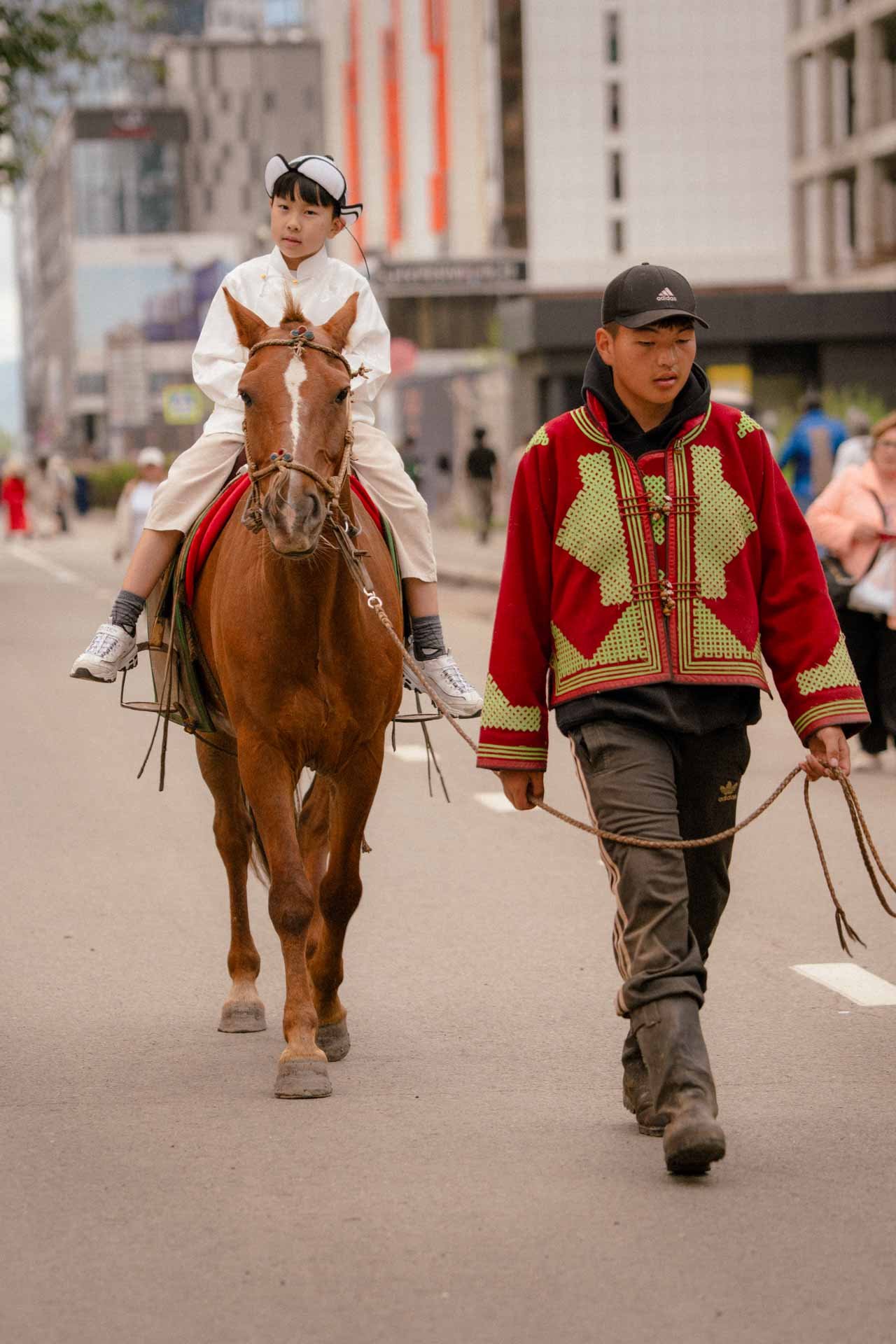
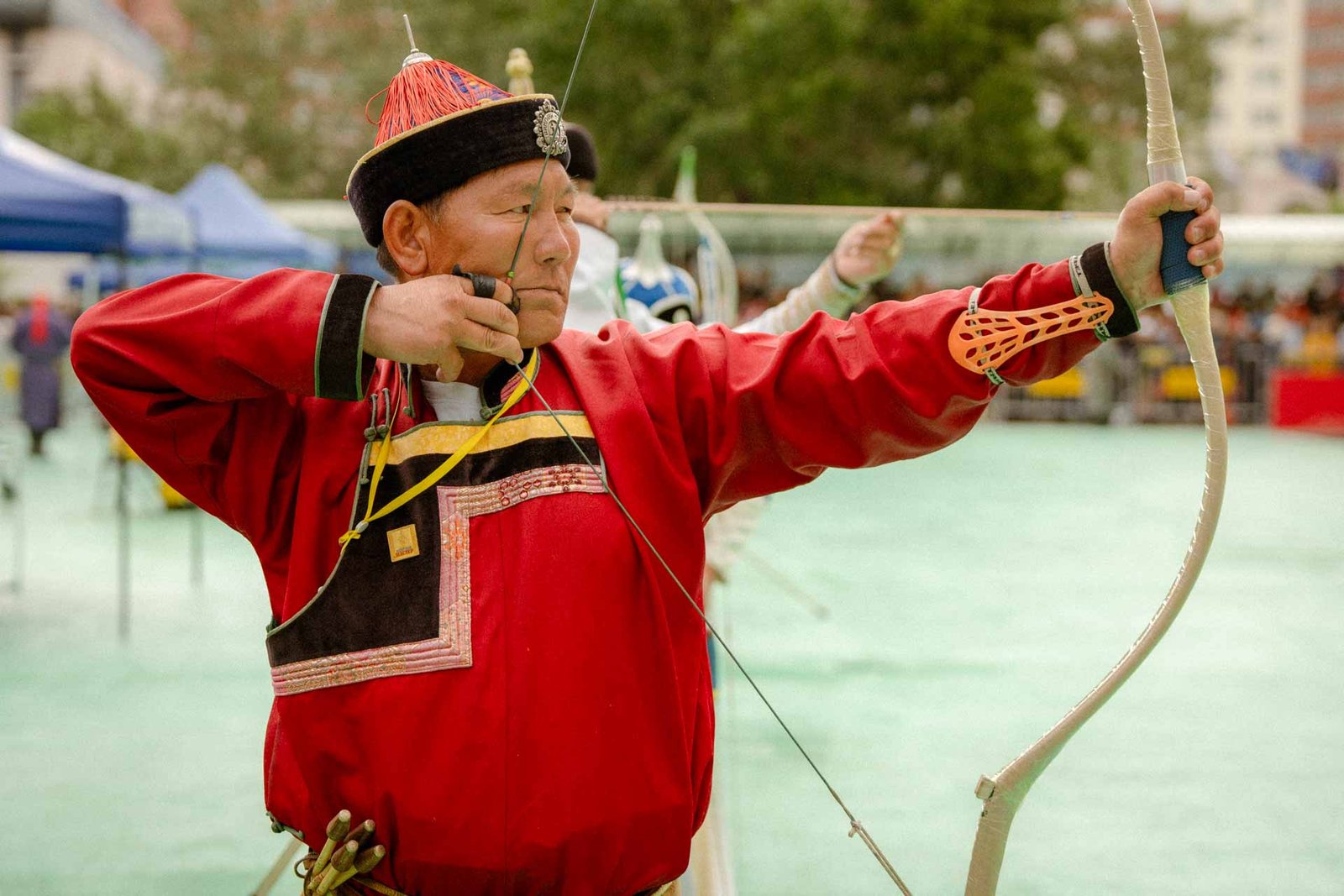
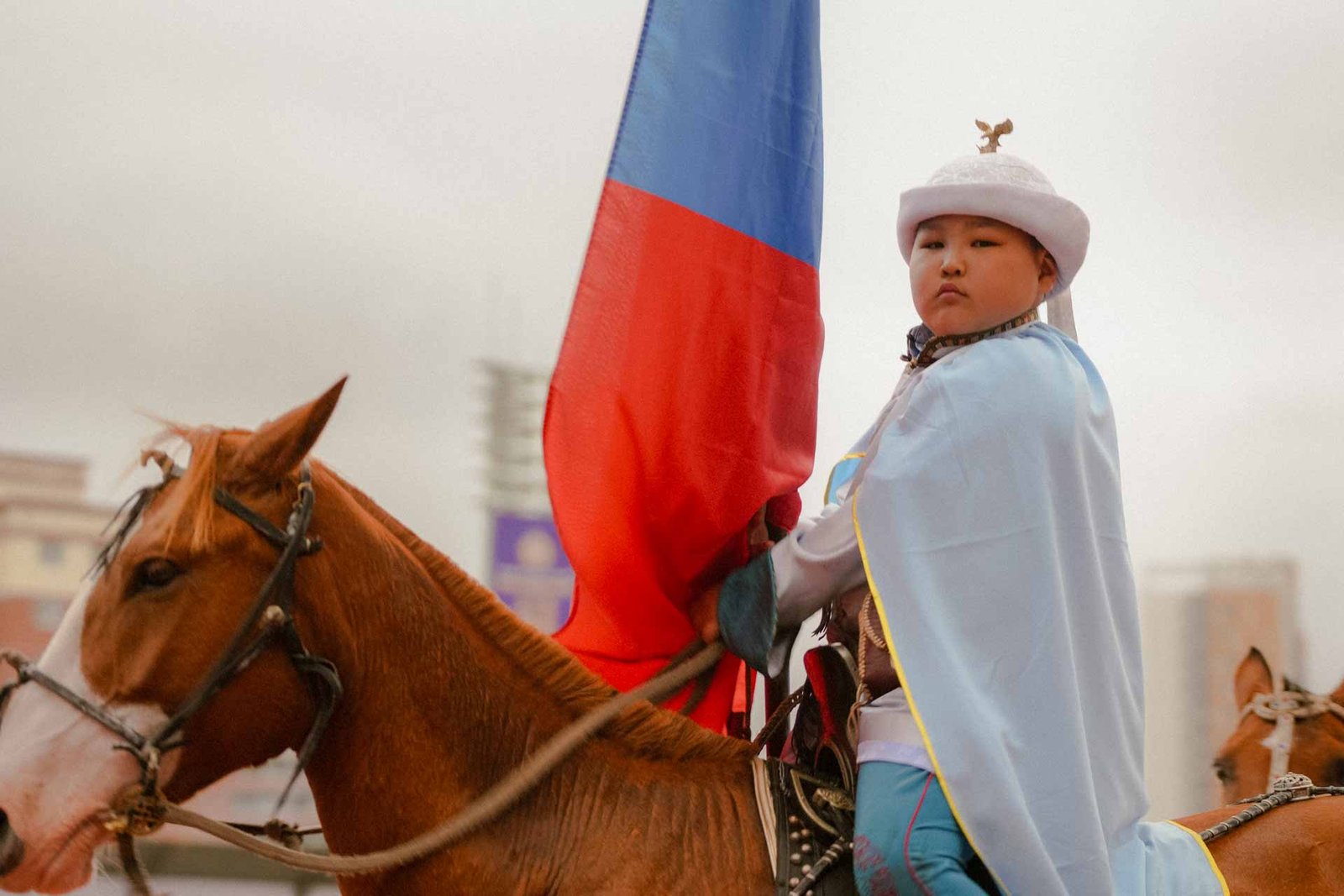
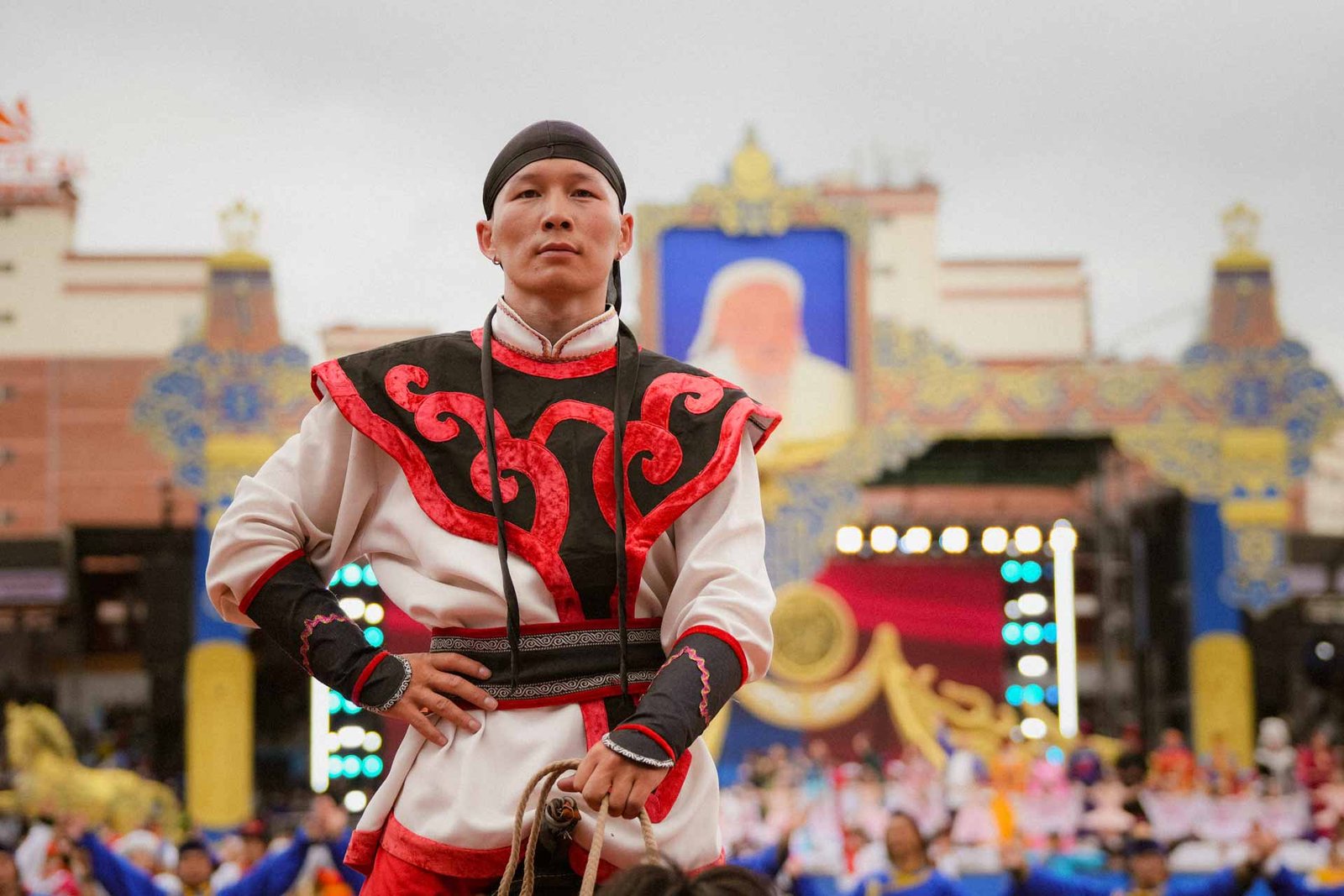
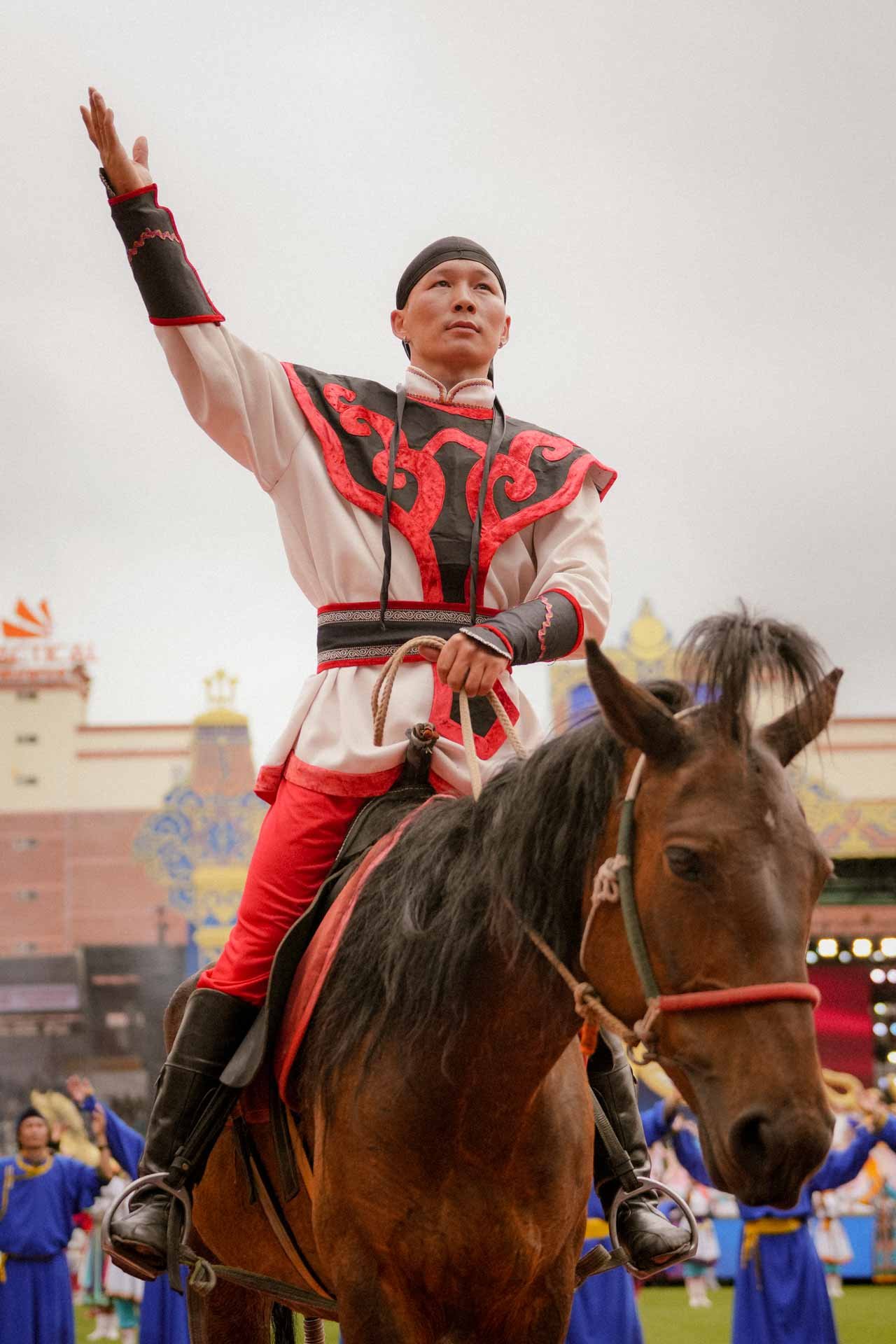
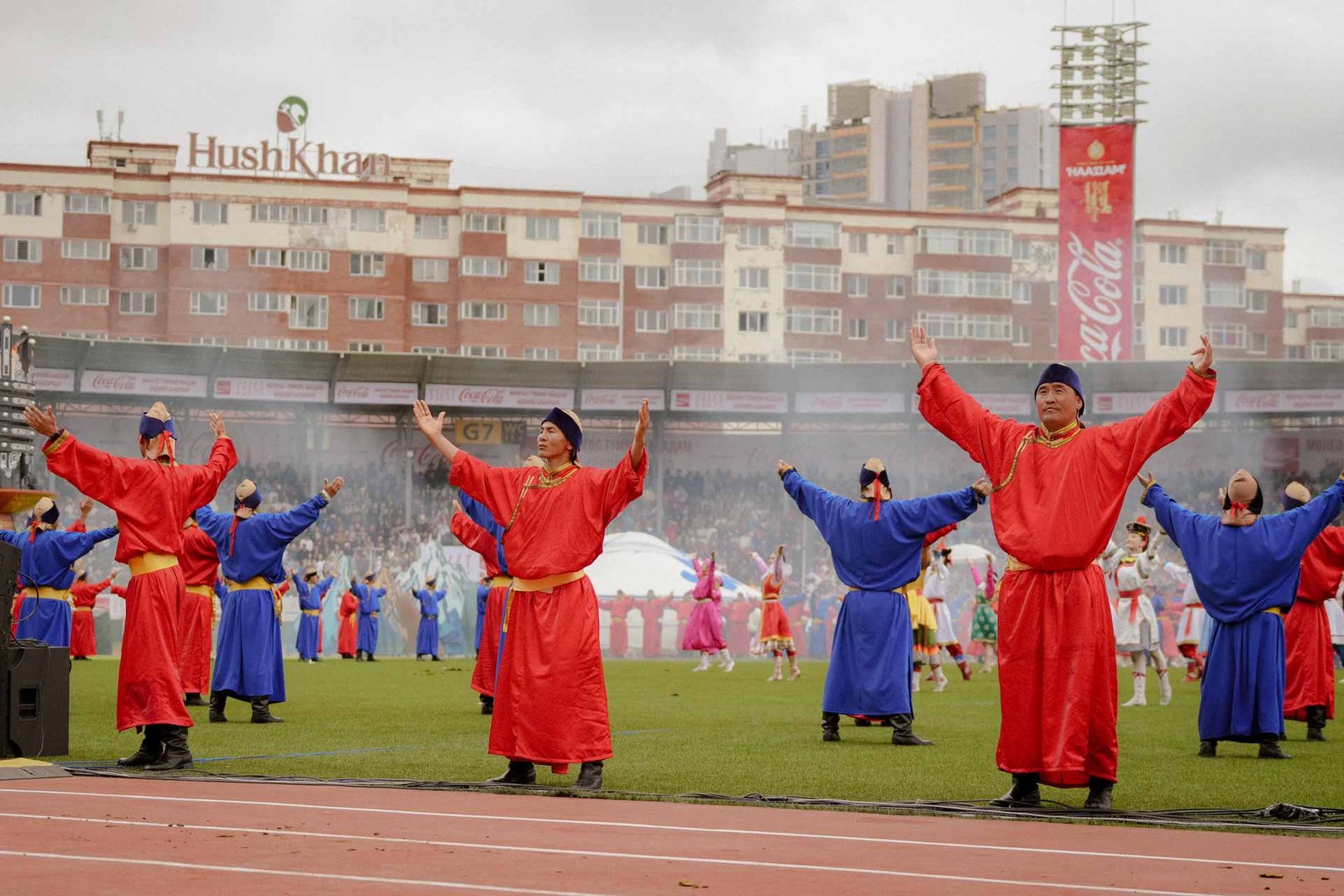
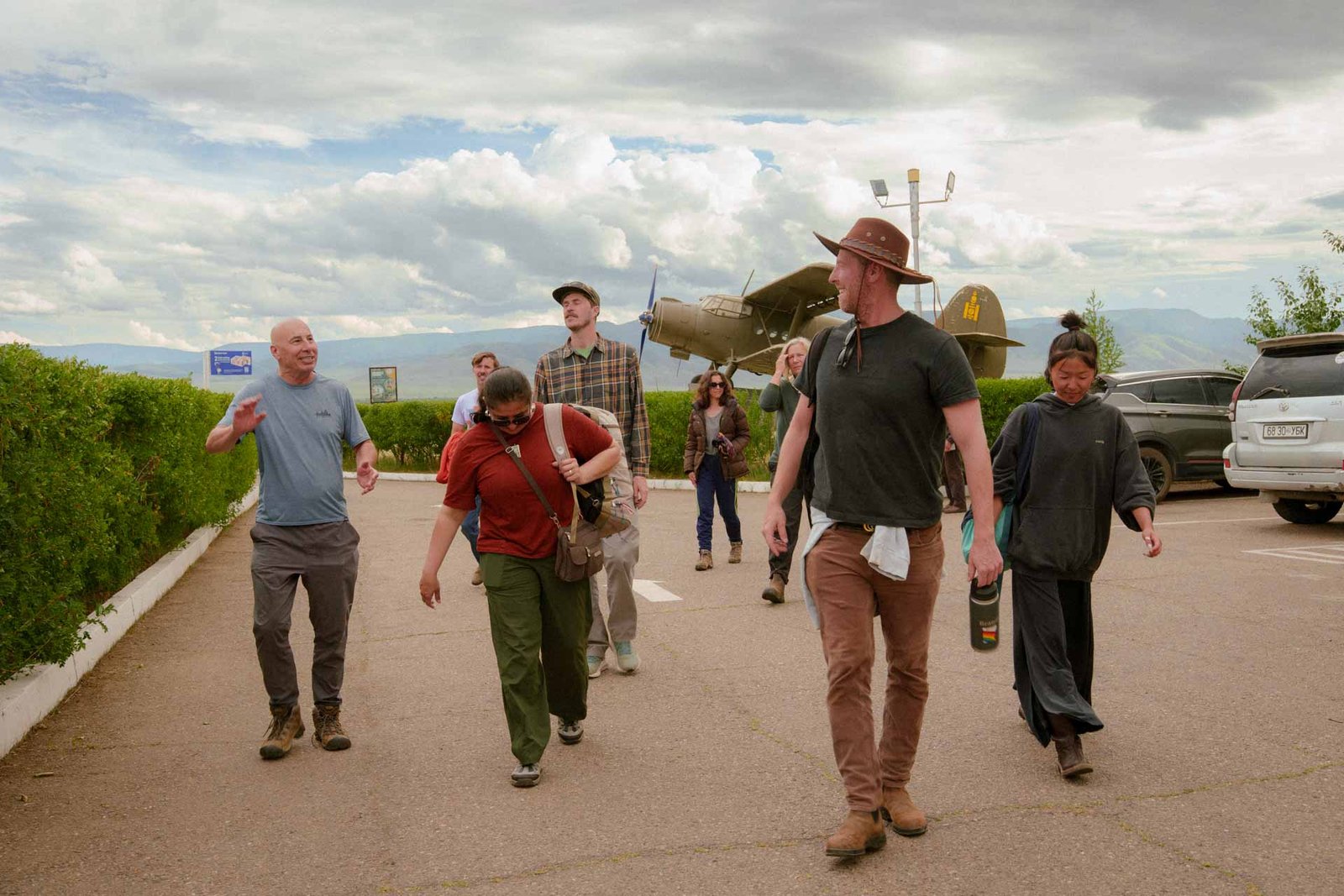 We begin in Ulaanbaatar during Naadam, Mongolia’s great summer festival.
The city erupts into color and movement. Wrestling, archery, horse racing, music, food, families moving through the streets. It is exuberant and crowded and a little overwhelming—a full immersion in Mongolian life.
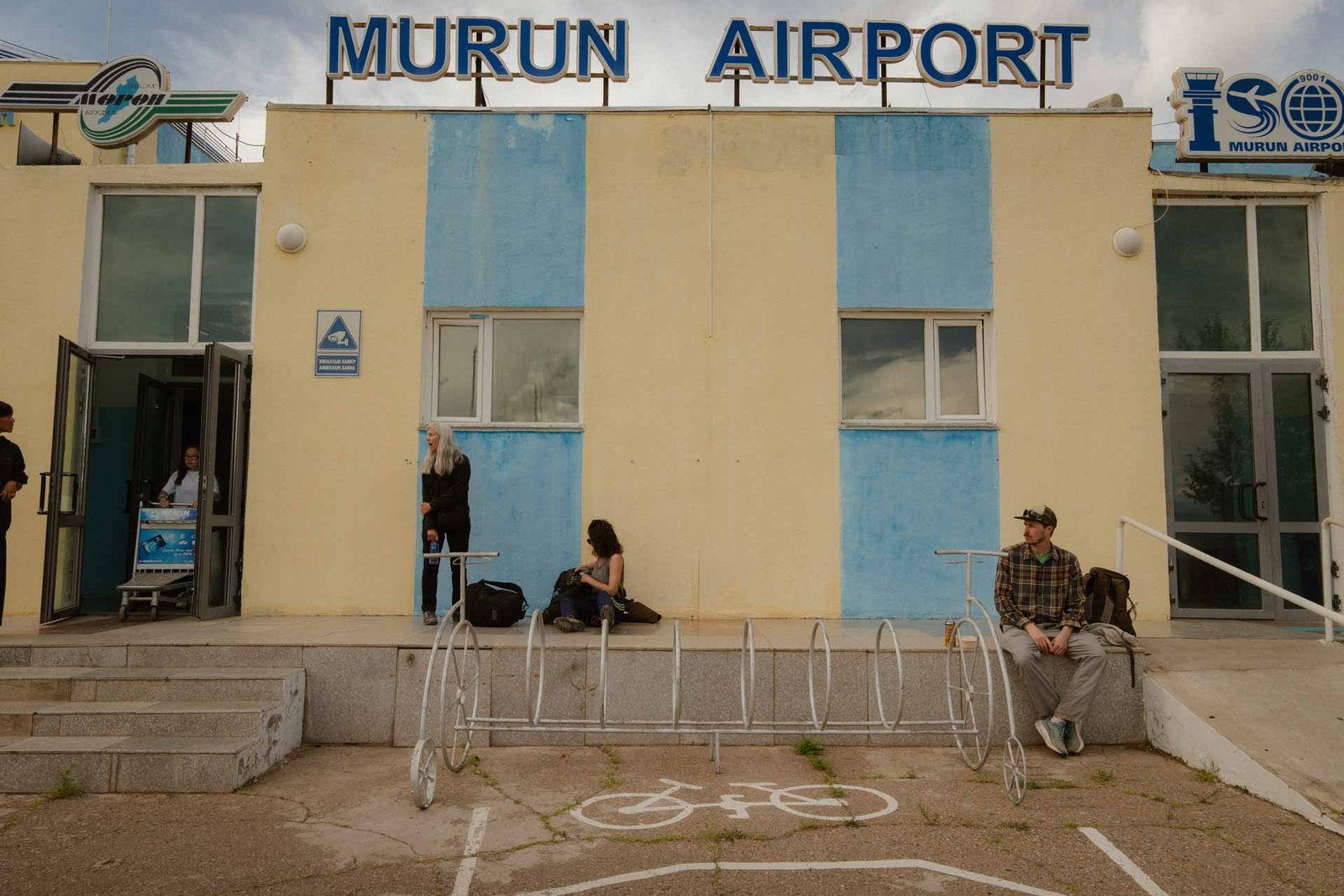
The next morning, we fly north.
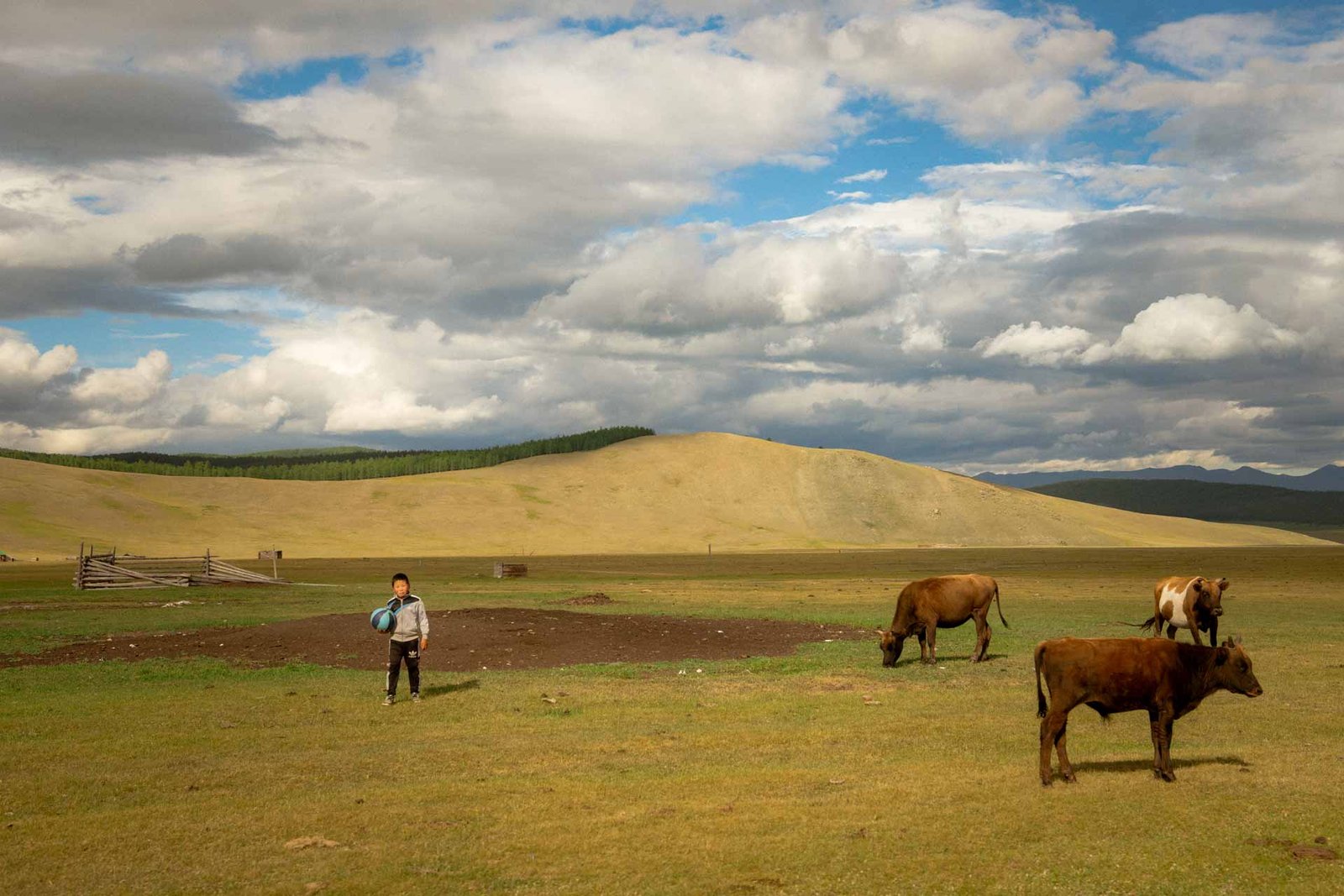
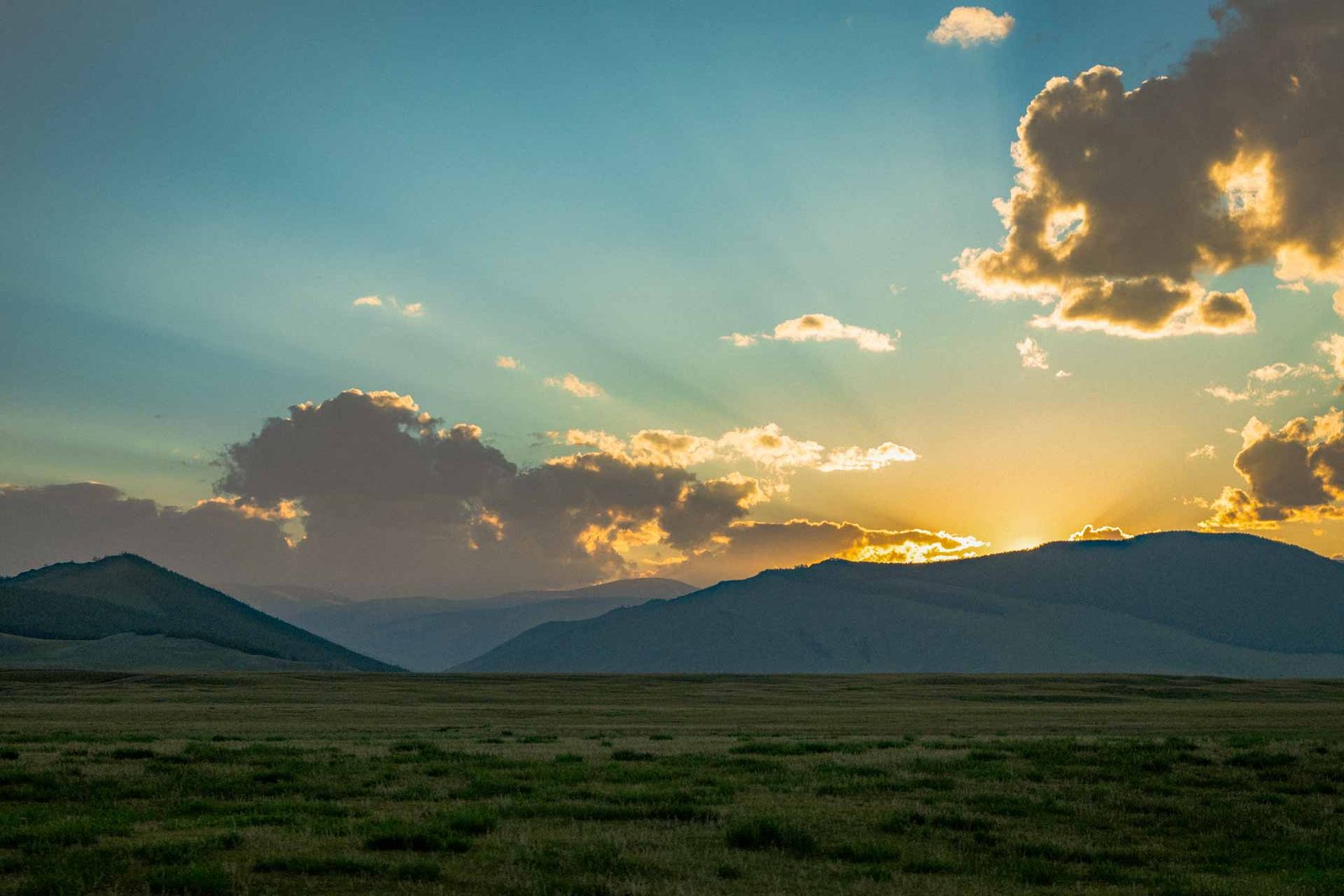
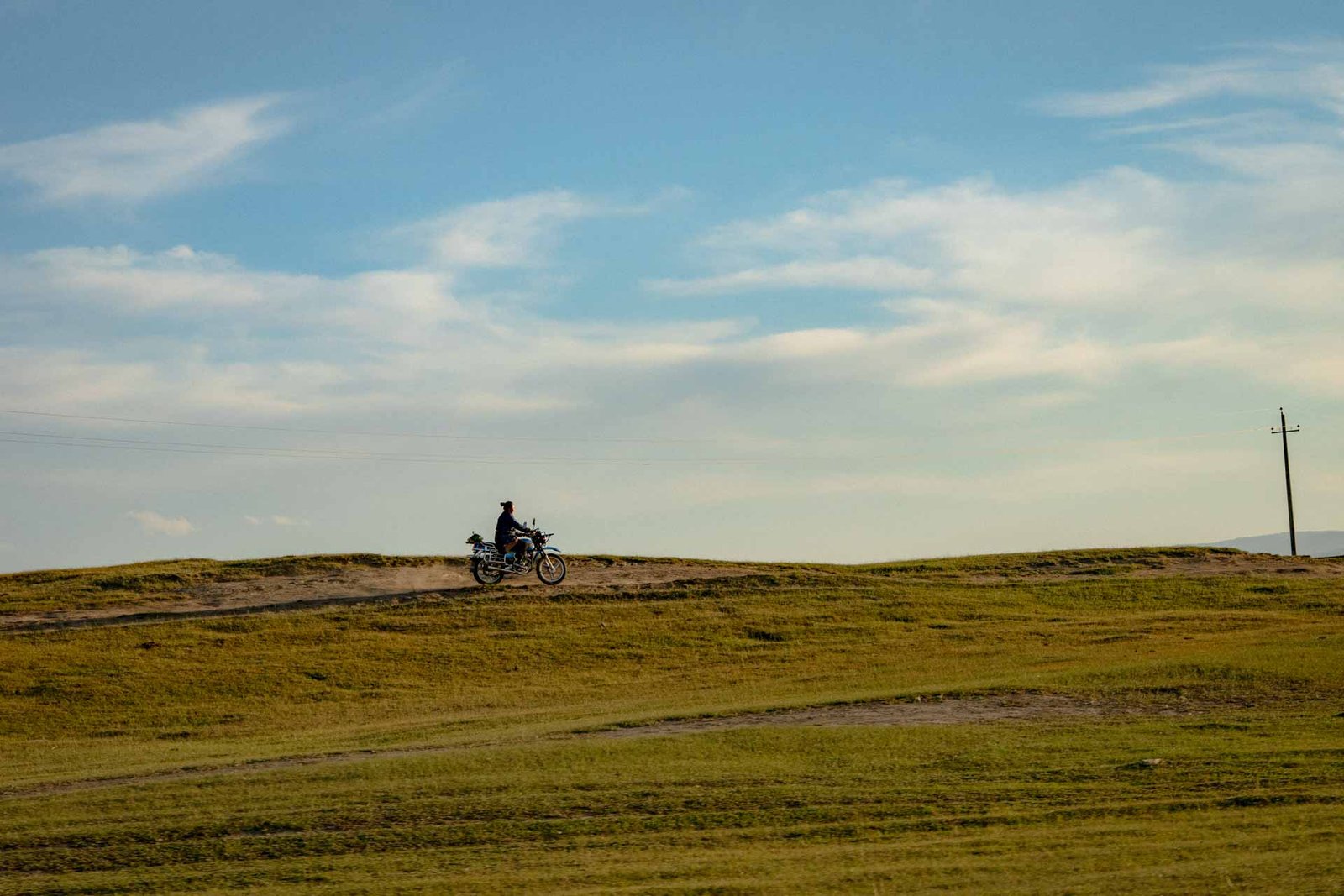
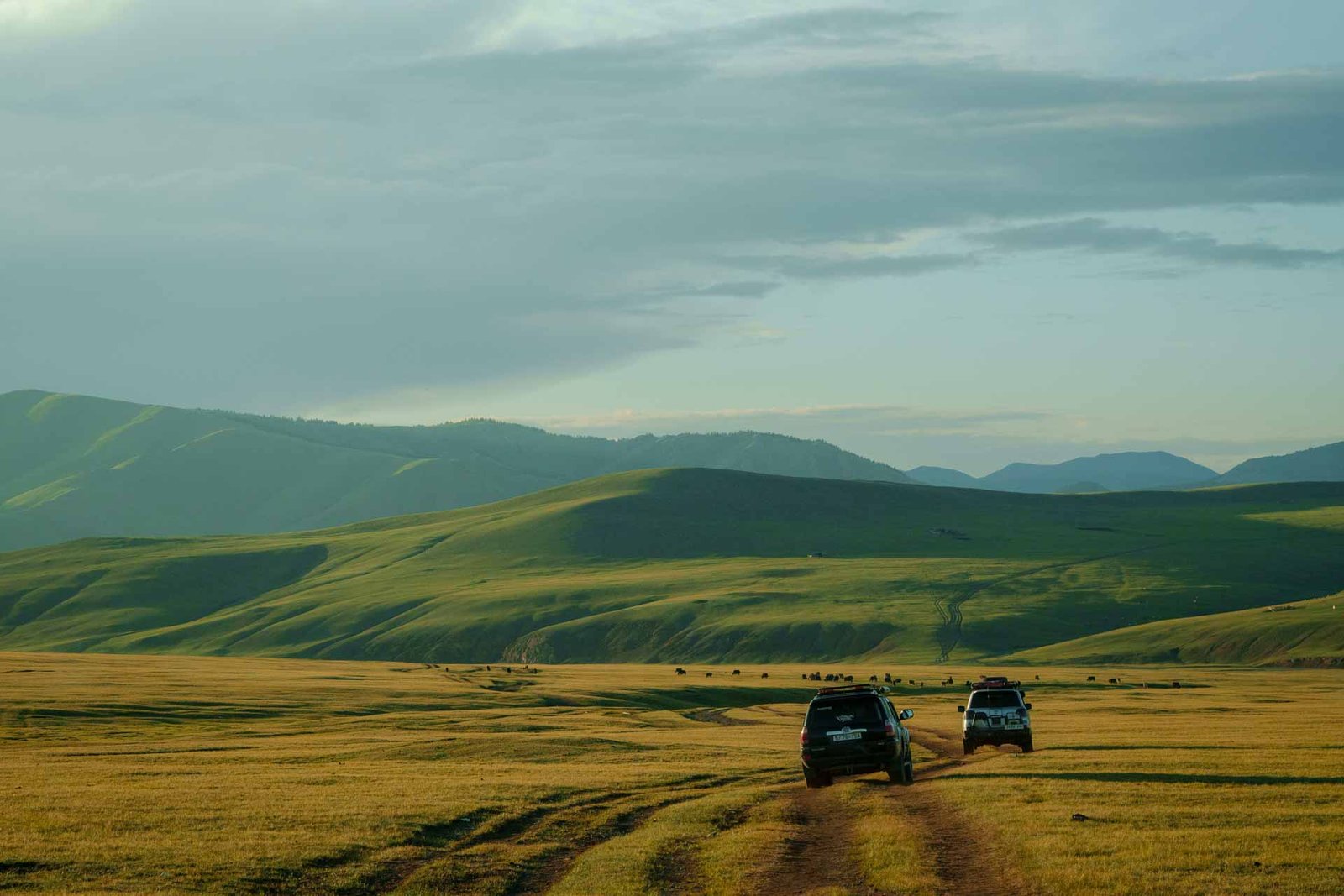
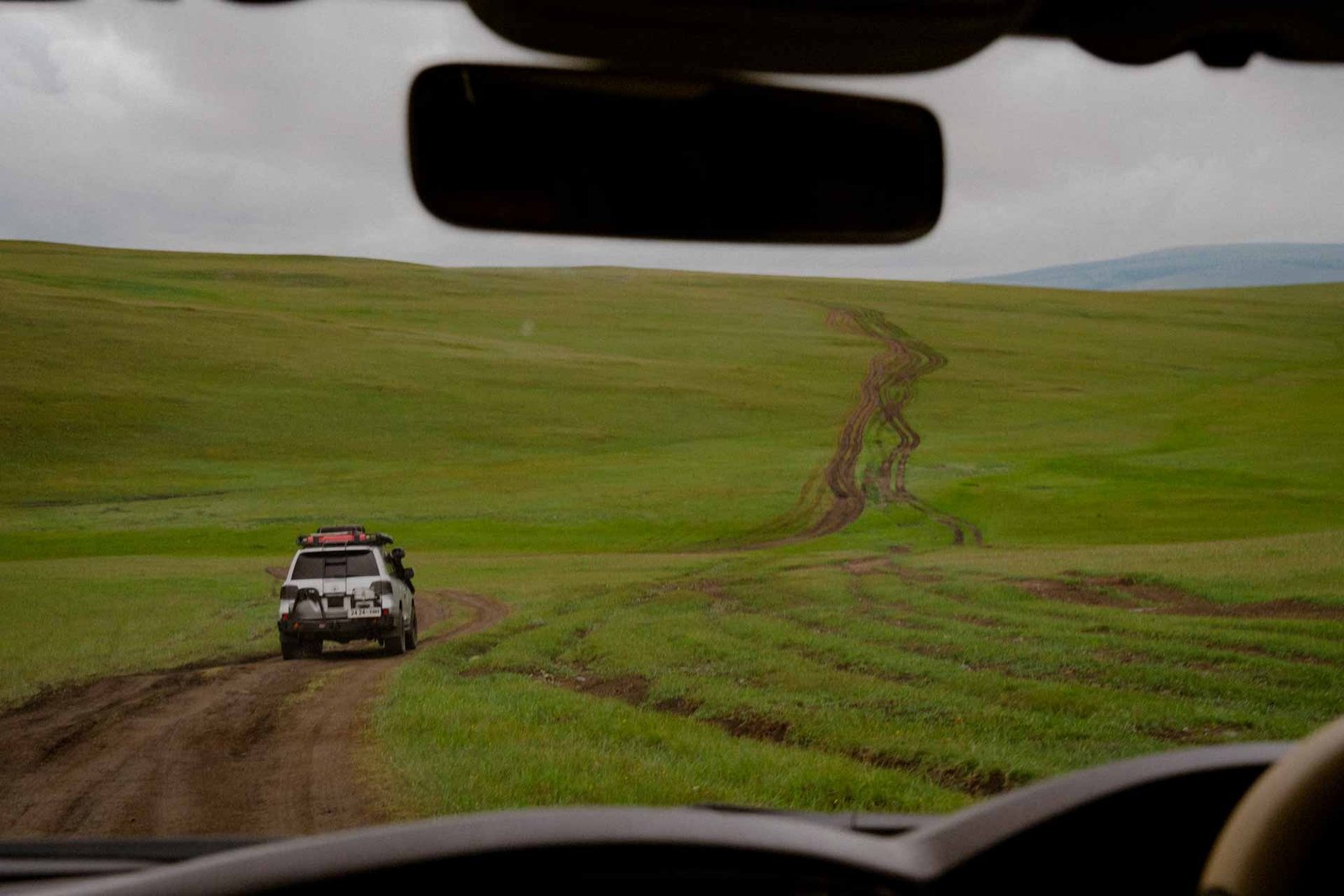
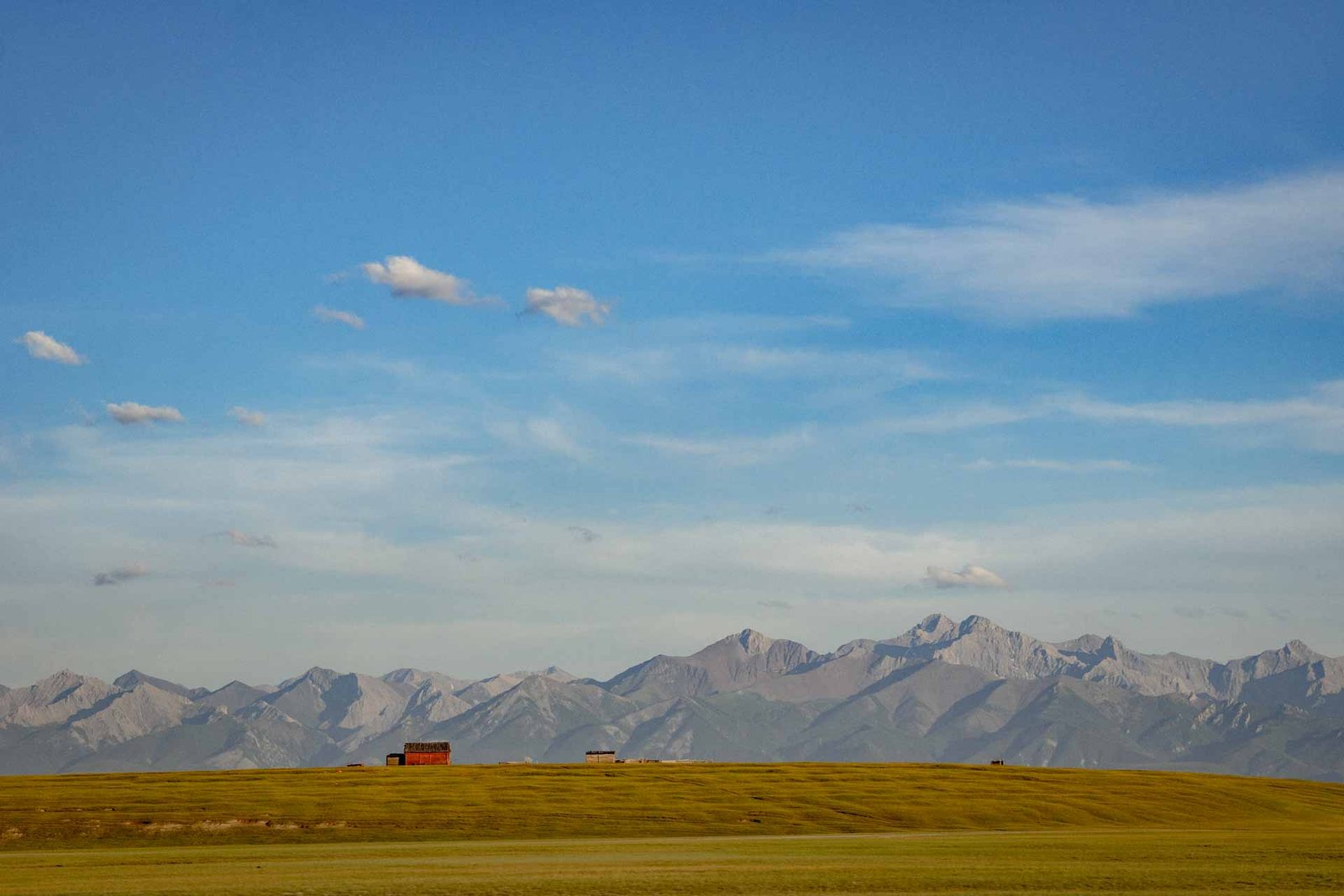
Within a day, the density of Ulaanbaatar has given way to some of the most sparsely populated country on earth. We continue overland into the Darhad Valley, staying with nomadic families along the way, moving farther from paved roads and fixed schedules.
Eventually, the roads disappear altogether.
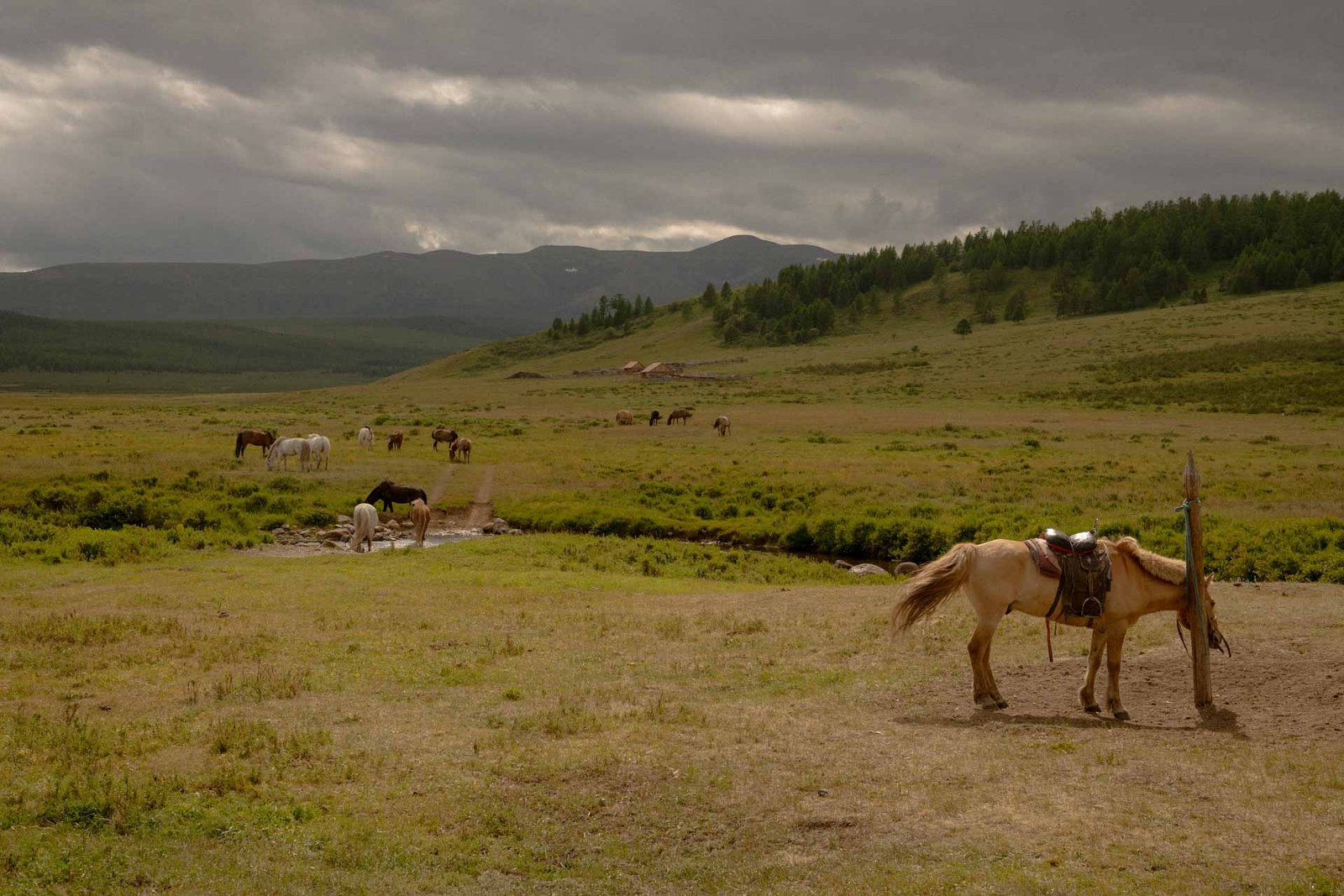
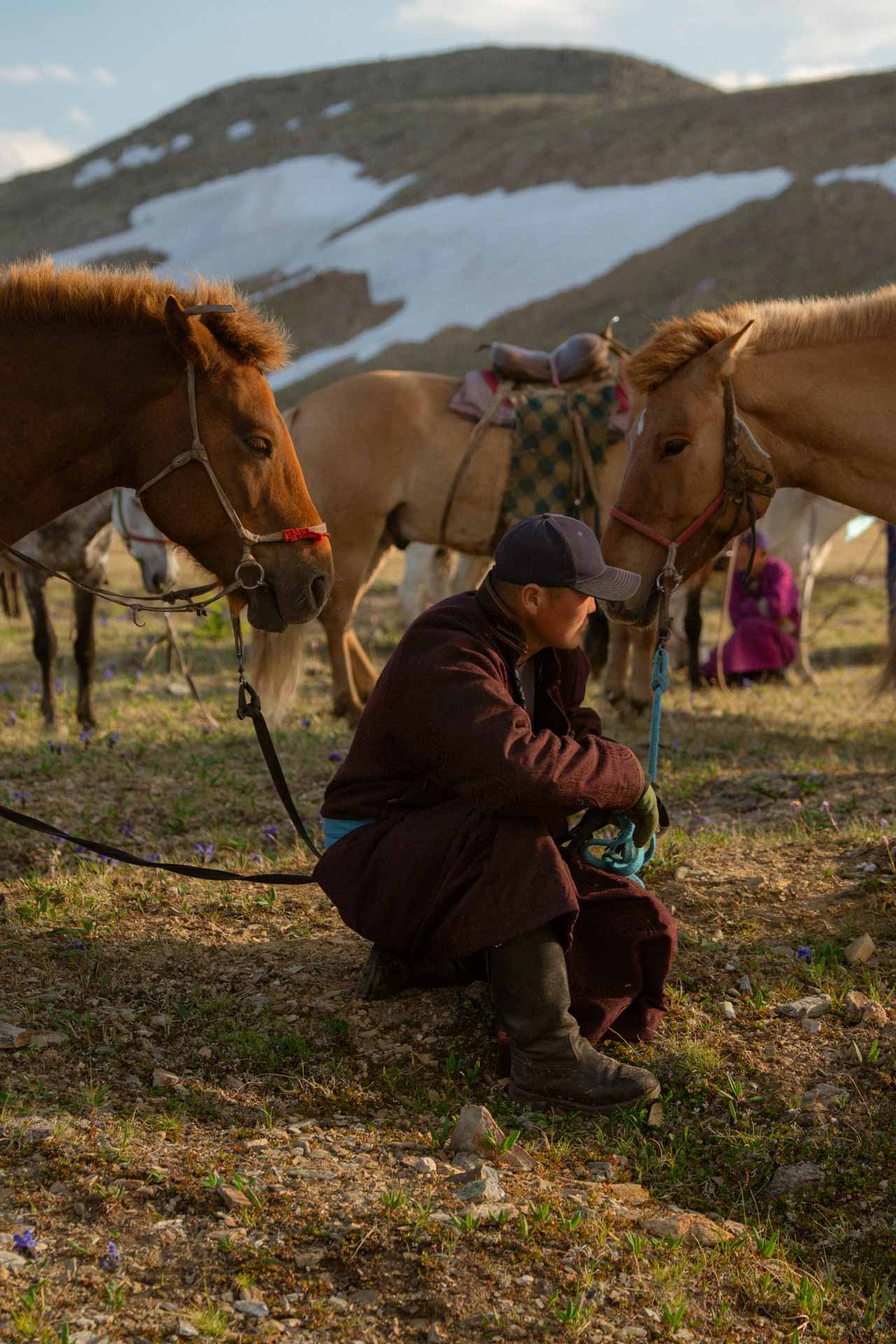
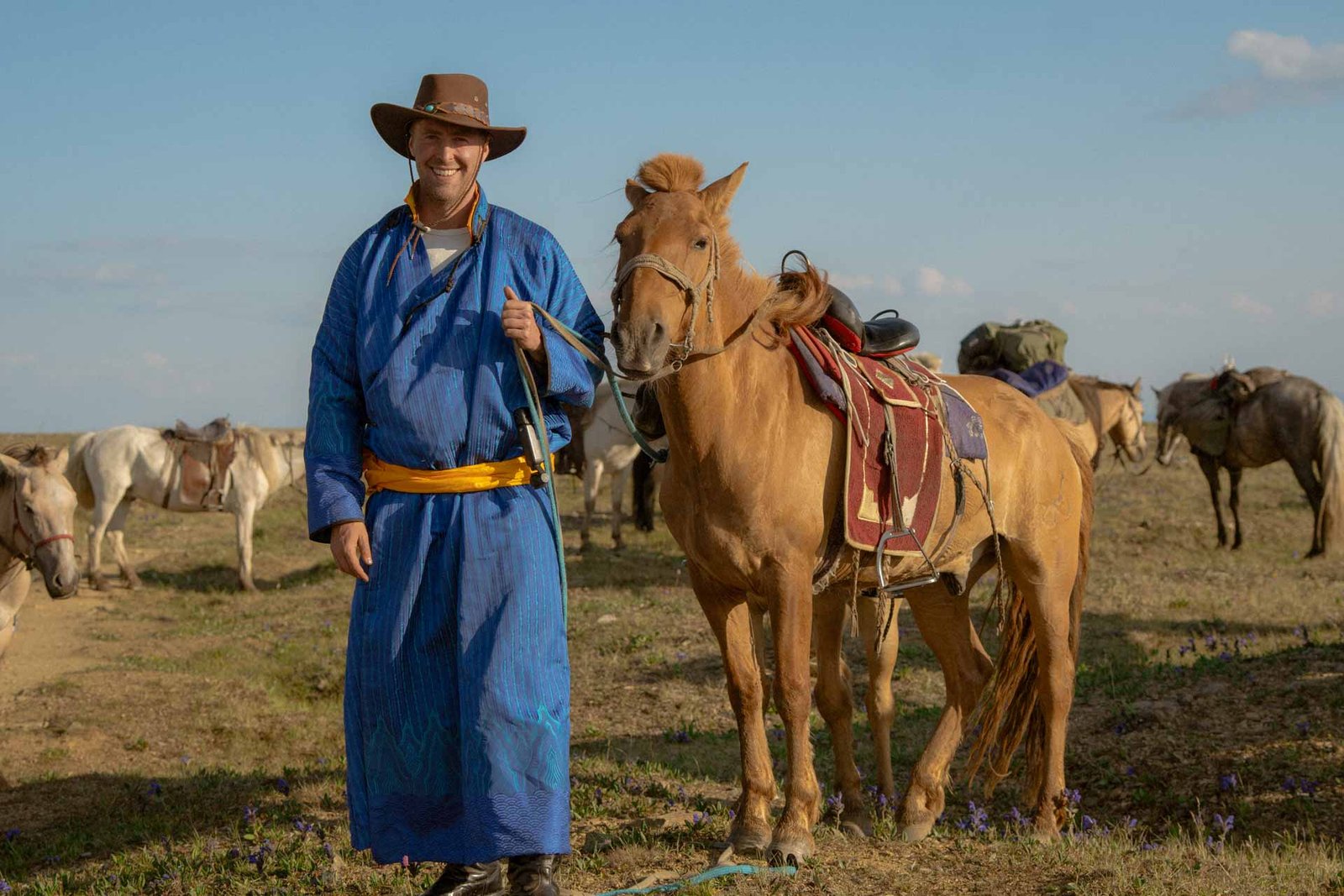
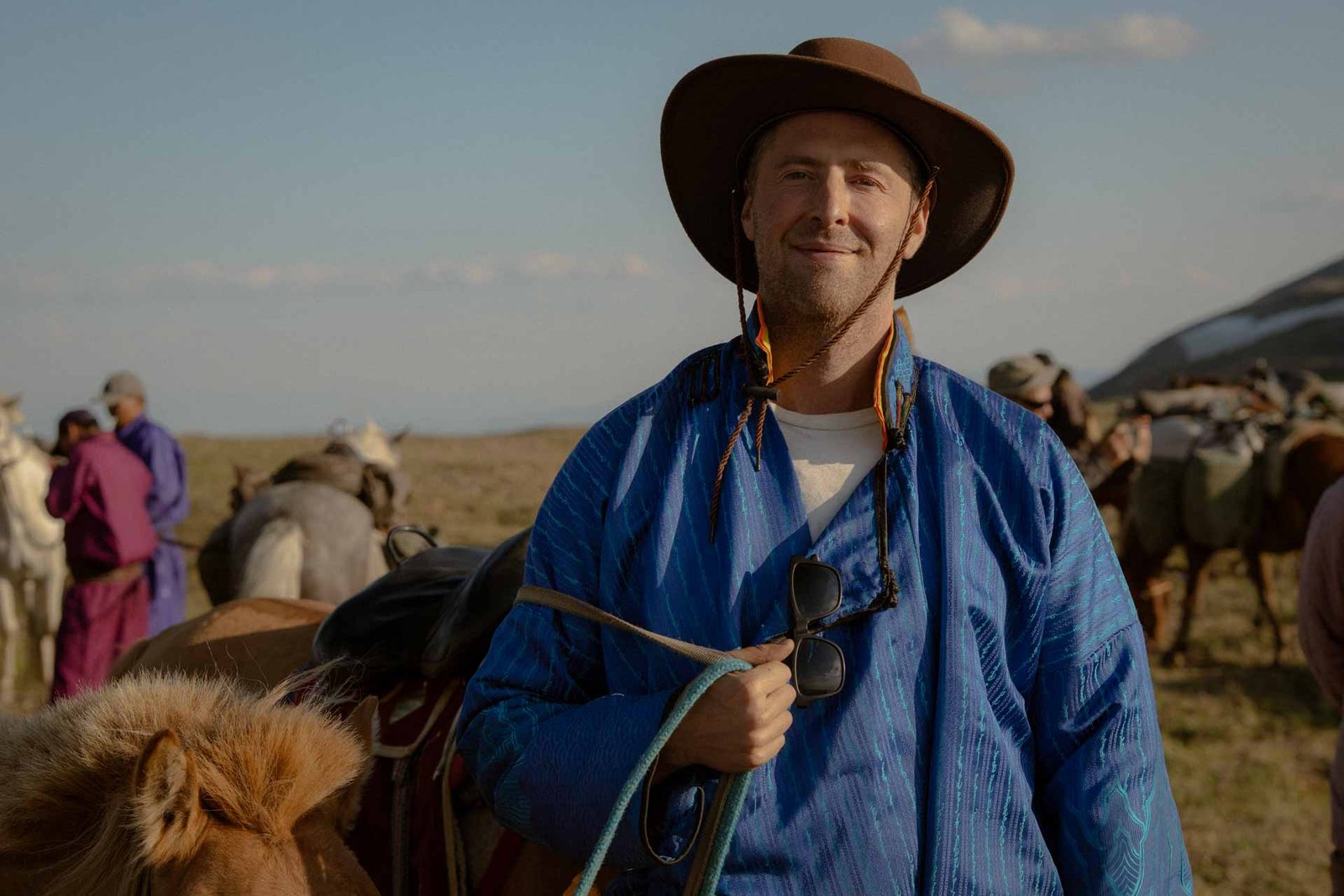
From there, we travel by horse: more than thirty horses carrying our group, guides, cooks, equipment, and supplies deeper into the mountains.
And slowly, another way of moving through the world begins to take over.
Three rivers
Ask one of our horse guides how much farther we have to go, and he probably won’t tell you three hours.
He’ll tell you three rivers.
Ask what time we’re leaving in the morning, and the answer might be: when the horses are packed.
This isn’t evasiveness. It’s simply a different orientation to time.
In the taiga, a journey takes as long as the terrain, the weather, the animals, and the people require. A river may be high. A horse may need attention. Someone may stop to talk with a family along the way. The conditions determine the rhythm.
For many of us coming from the West, this can be surprisingly difficult.
We want to know when we’re leaving. When we’re arriving. How many hours are left. We want the reassurance of a schedule.
And then, somewhere along the way, the questions begin to fall away.
Three rivers becomes enough information.
This is one of the deeper intentions behind Steppe & Soul. We aren’t interested in making Mongolia conform to the expectations we arrive with. The invitation is the opposite: to allow ourselves to be changed by the place.
To move at the speed the land asks of us.
To discover what becomes perceptible when we stop trying to control every hour.
Hard days and open days
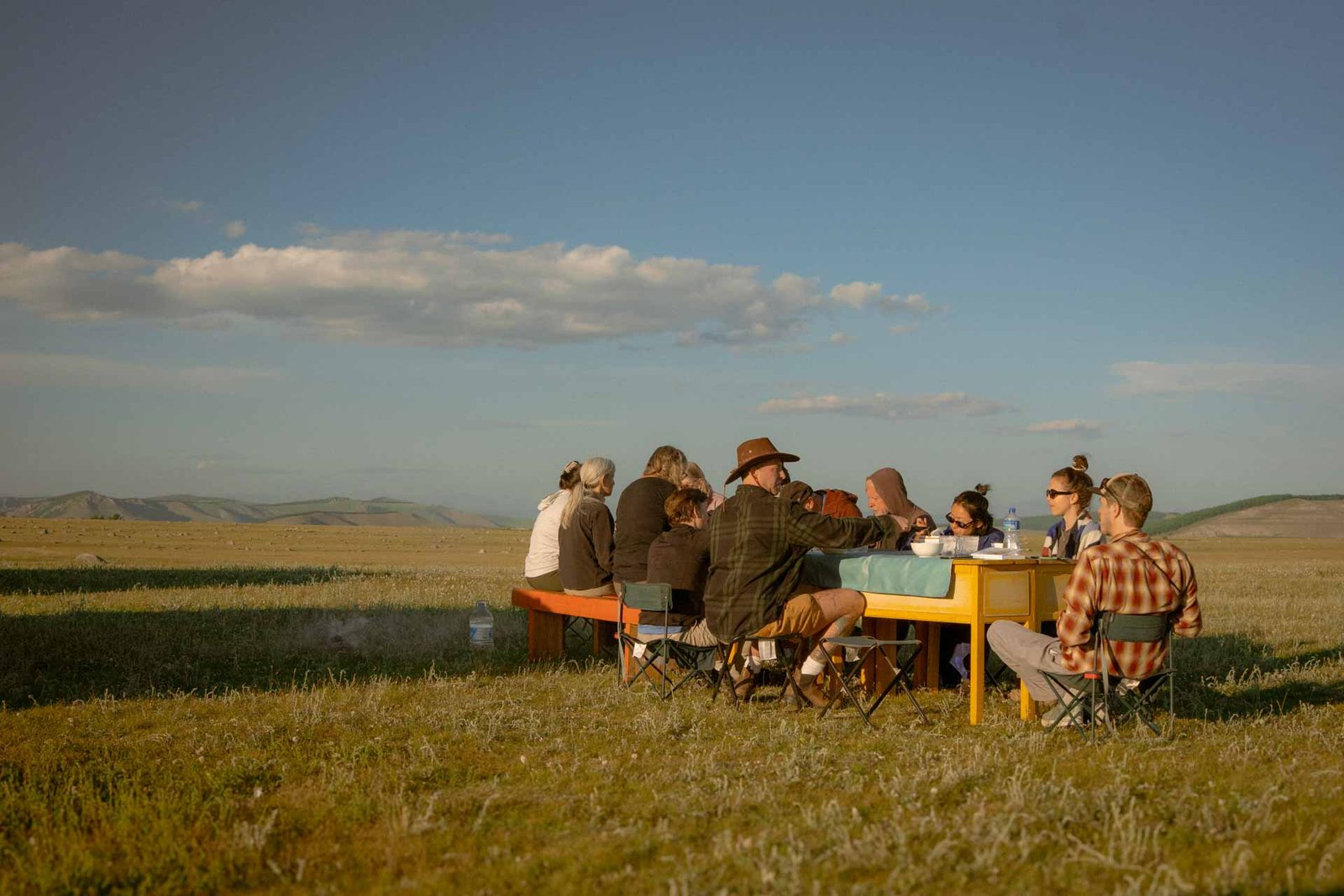 There is real intensity on this journey.
We spend long days on horseback, crossing rivers and mountain passes through roadless terrain. We get tired. Bodies ache. Weather moves through. Plans change.
And then the journey opens.
A demanding travel day might be followed by a morning of yoga, breathwork, or simply nowhere we need to go. We sit together in circle. We rest. We wander. We make space to notice what is happening beneath the experience itself.
What is this place touching in me?
What becomes visible here that I couldn’t see at home?
And what might I carry back?
The journey is intentionally built around this movement between intensity and spaciousness, challenge and integration. Rather than moving continuously from one spectacular experience to the next, we create room for experience to actually register.
Because transformation doesn’t necessarily happen at the peak of an experience.
Often, it happens in the space afterward.
In the teepees
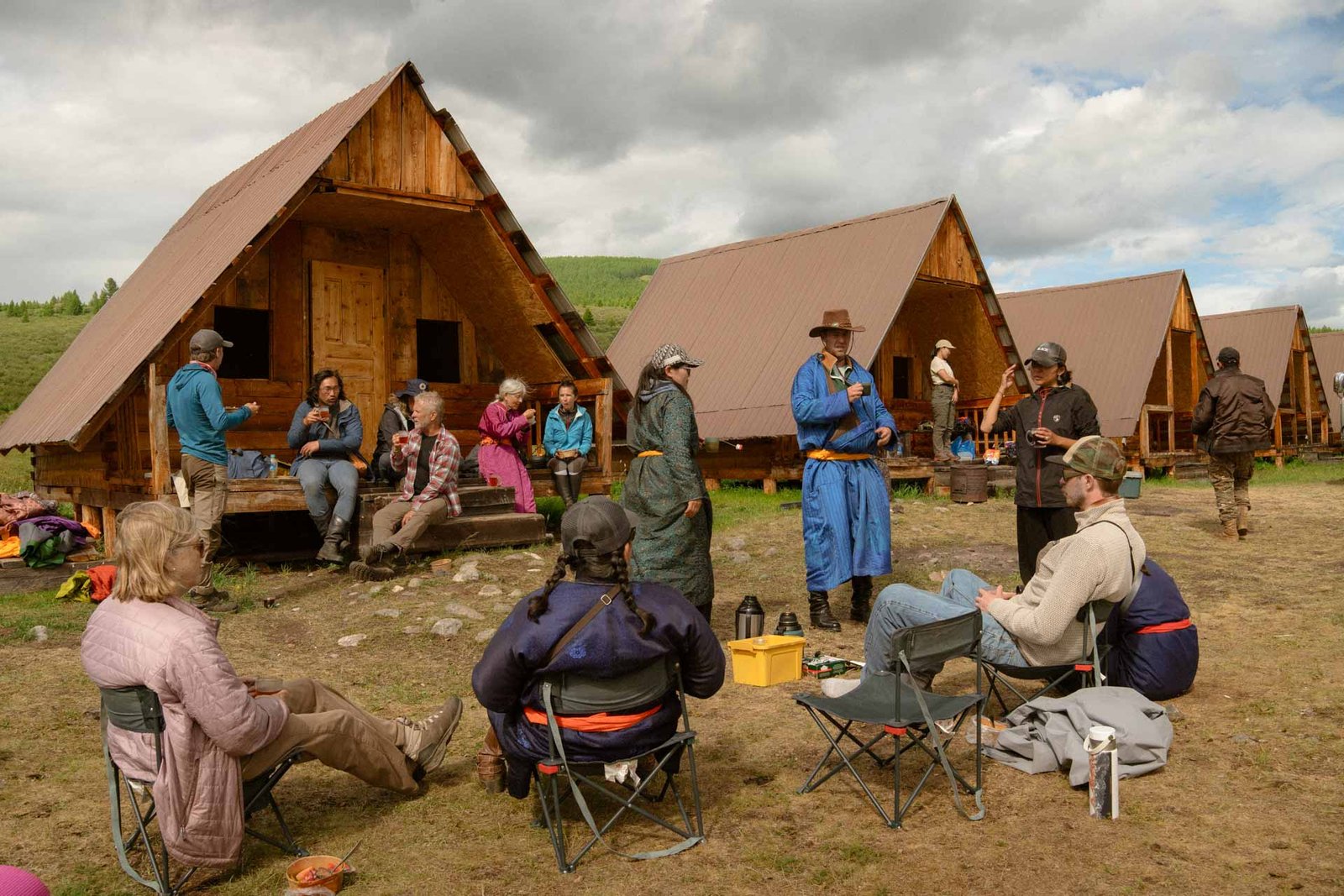 Eventually, we reach the Tsaatan community.
The Tsaatan are reindeer herders who live in Mongolia’s northern taiga. After days of traveling to reach this place, there is nowhere else to get to.
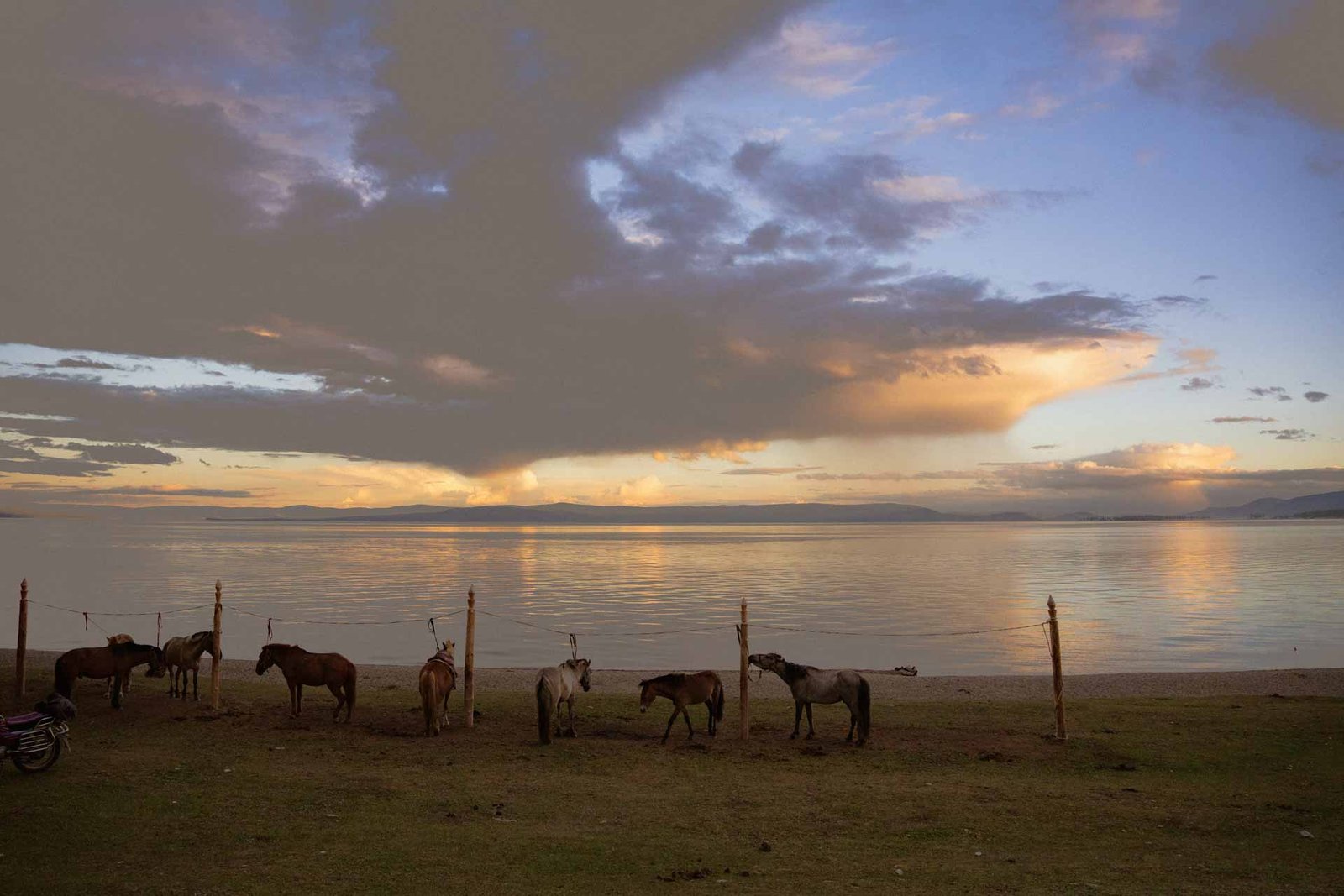
The horses graze nearby. Reindeer move through camp. Smoke rises from the teepees. People cook, work, visit one another, tend animals. Children move between families.
And we enter, briefly and respectfully, into the life already happening there.
For me, this is one of the most important distinctions of the journey. We aren’t arriving at a staged experience created for us. We are guests in someone else’s home and landscape.
Our task is not to consume the experience.
It is to pay attention.
The ocean of Mongolia
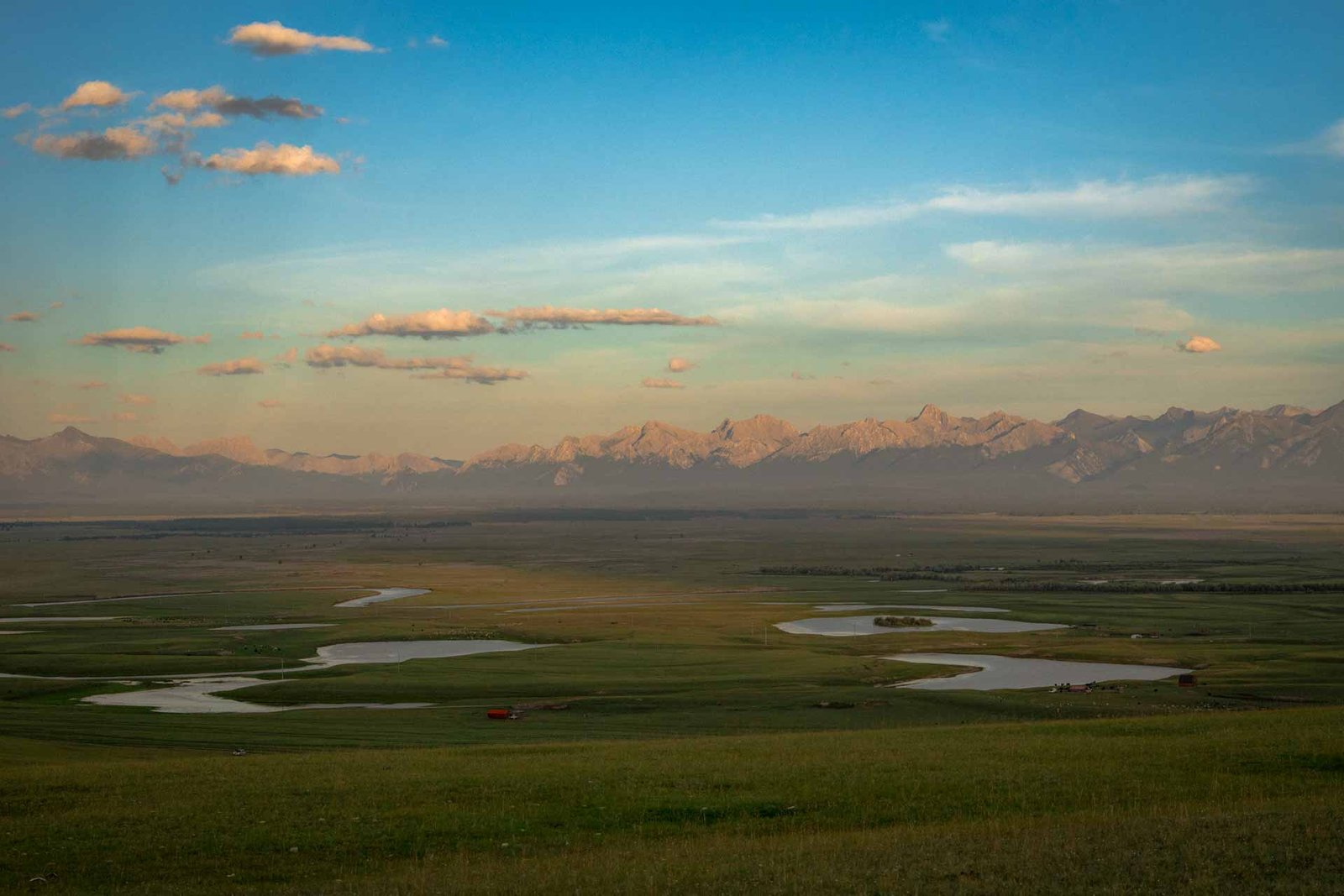 Eventually, we turn back.
We retrace the trail on horseback, cross the rivers again, return through the Darhad Valley, and drive over another enormous mountain pass toward Lake Khuvsgul.
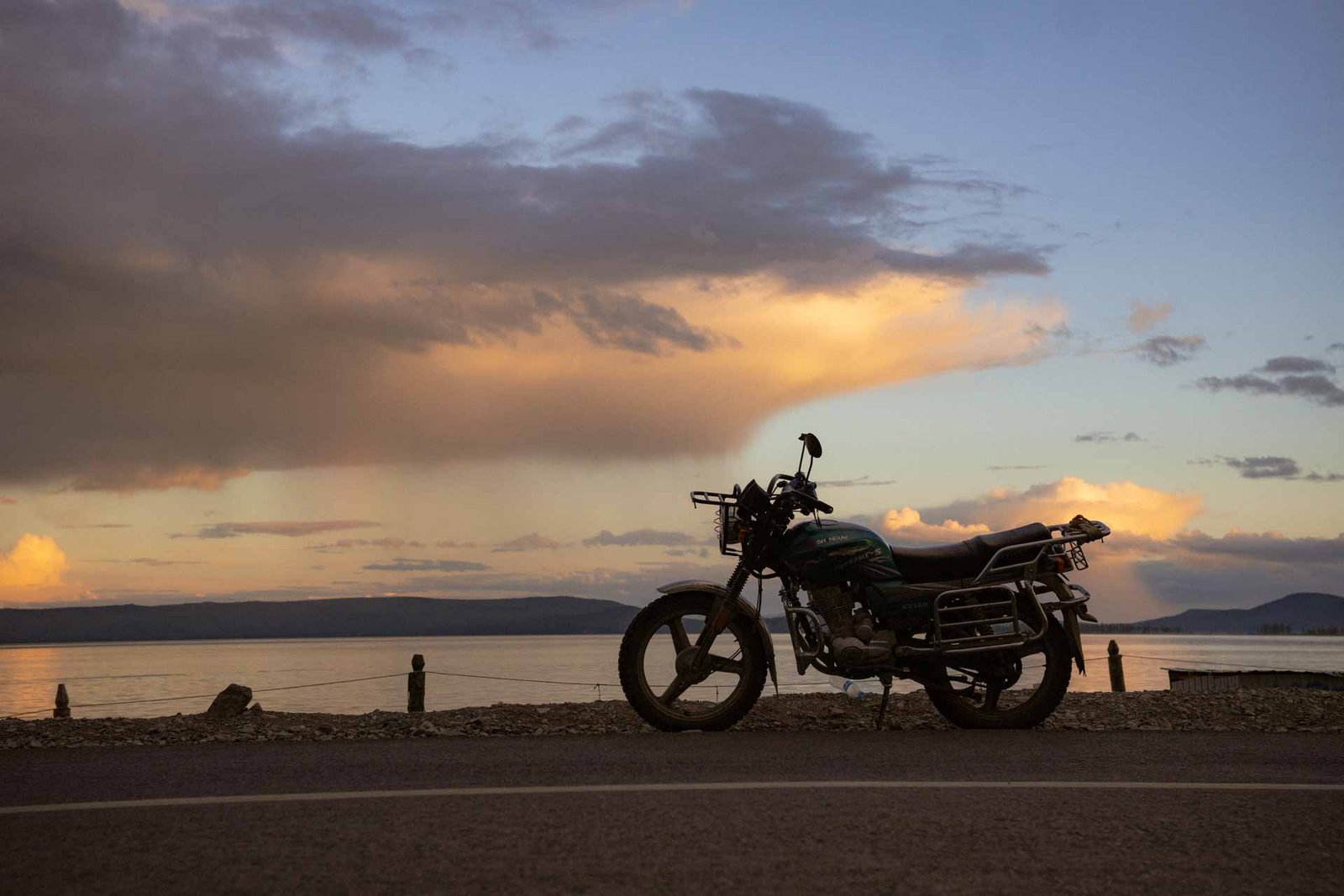
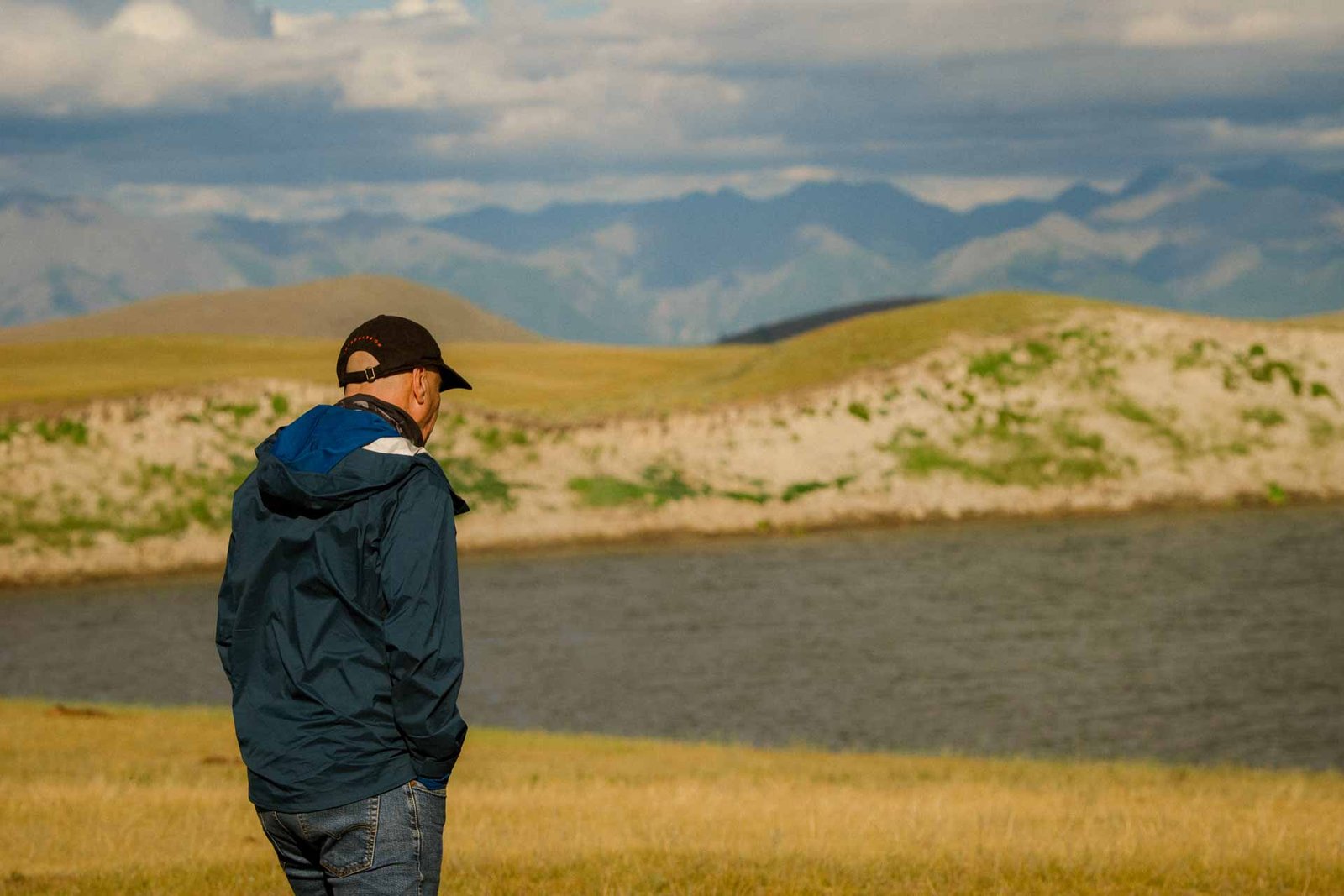
After the intimacy of the taiga, the lake feels almost impossibly vast—an inland sea stretching toward the horizon.
There are more people here. Mongolian families are traveling for their summer holidays. Cars appear again. Restaurants. Electricity. Slowly, almost imperceptibly, we begin returning to the world we left.
There is an ancient shape to journeys like this.
We leave the familiar. We travel farther and farther out. We cross a threshold into a place where our ordinary ways of orienting no longer quite work.
And then we return.
Not necessarily with answers. Not necessarily transformed into someone new.
But perhaps more available to the life we were already living.
Perhaps with a different relationship to time.
Perhaps with a greater capacity to listen.
Perhaps knowing that sometimes the most accurate answer to How much farther? is simply:
Three rivers.
The next Taiga & Naadam Journey runs July 11–23, 2027.
From the journey
Explore the Journeys
If this way of traveling resonates, explore the journeys designed with these principles in mind.