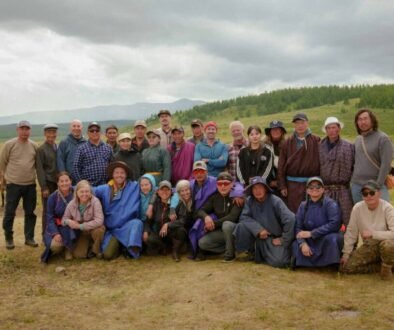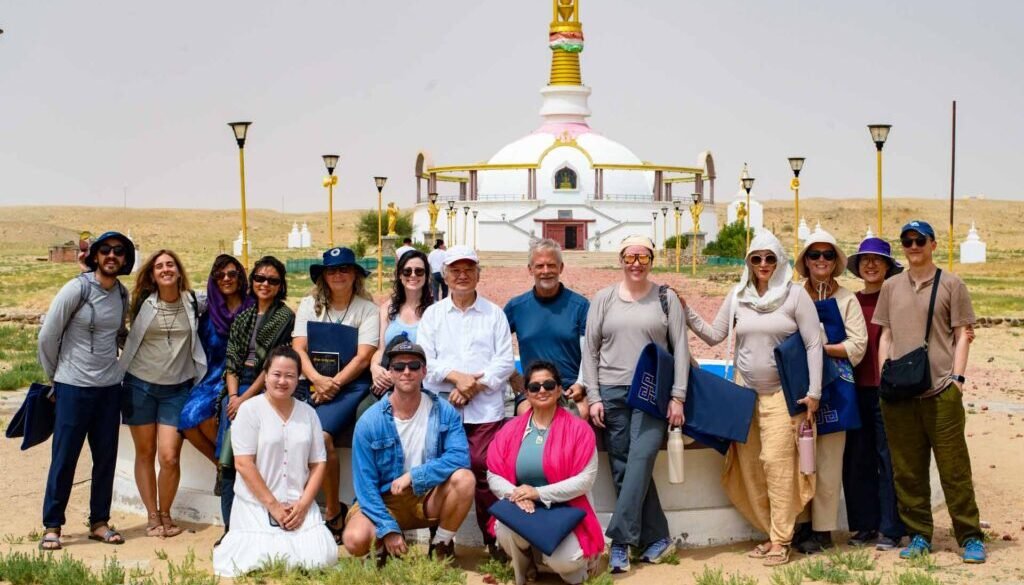
Notes from the 2026 Gobi Pilgrimage
Walking Shambhala with Mongolia’s Poet Laureate, long song at sunset, and a shaman’s fire at an oasis.
When we arrived in Shambhala, Mend-Ooyo was waiting for us.
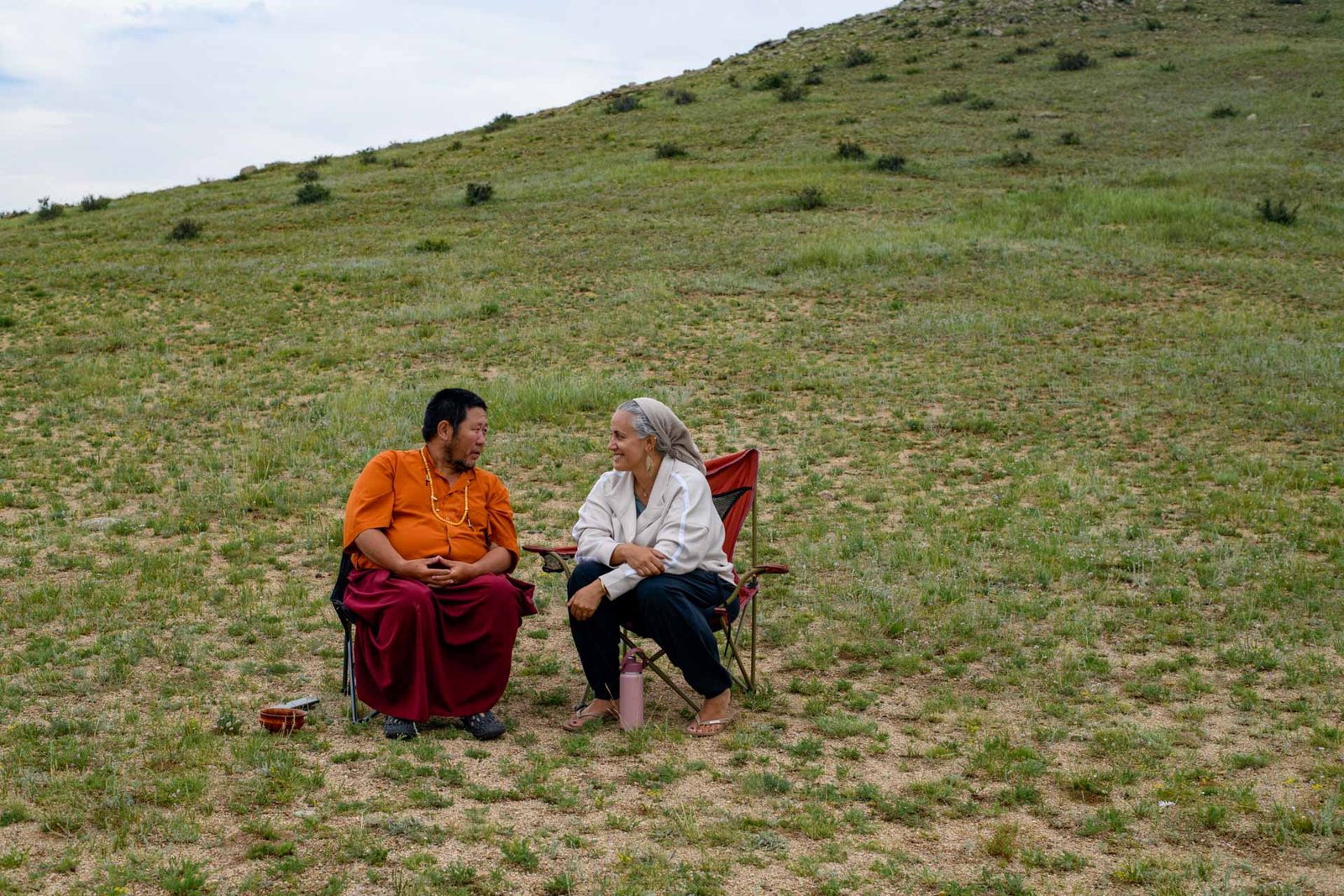
Mend-Ooyo is the Poet Laureate of Mongolia and has spent years writing about this region—its history, poetry, spiritual traditions, and landscape. He knows it not only intellectually, but intimately.
Over the next several days, he became our guide.
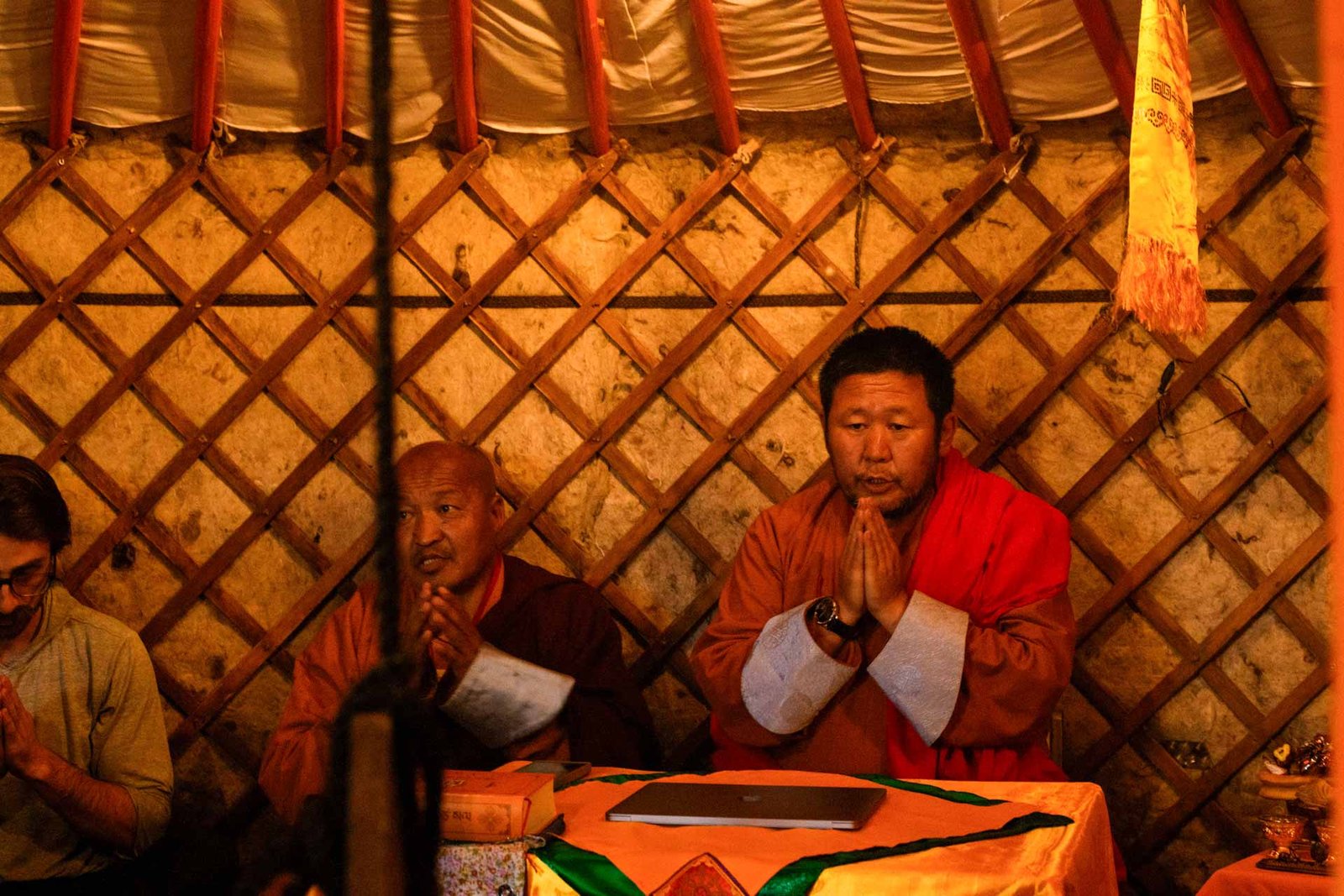
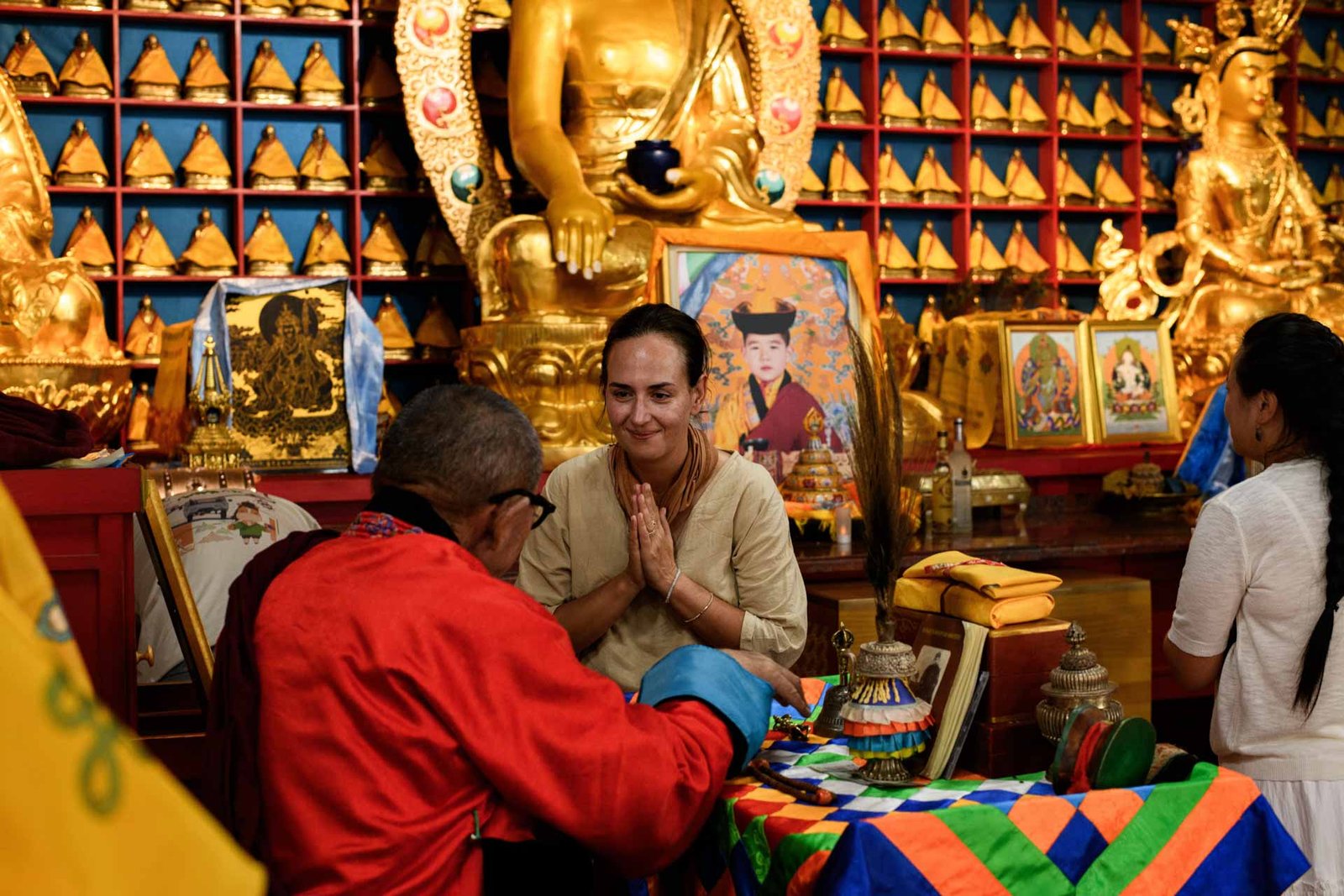
He brought us into sacred rooms of the monastery normally closed to visitors. He told us the stories of the lamas, poets, and pilgrims who have moved through this landscape. And then he walked with us through Shambhala itself.
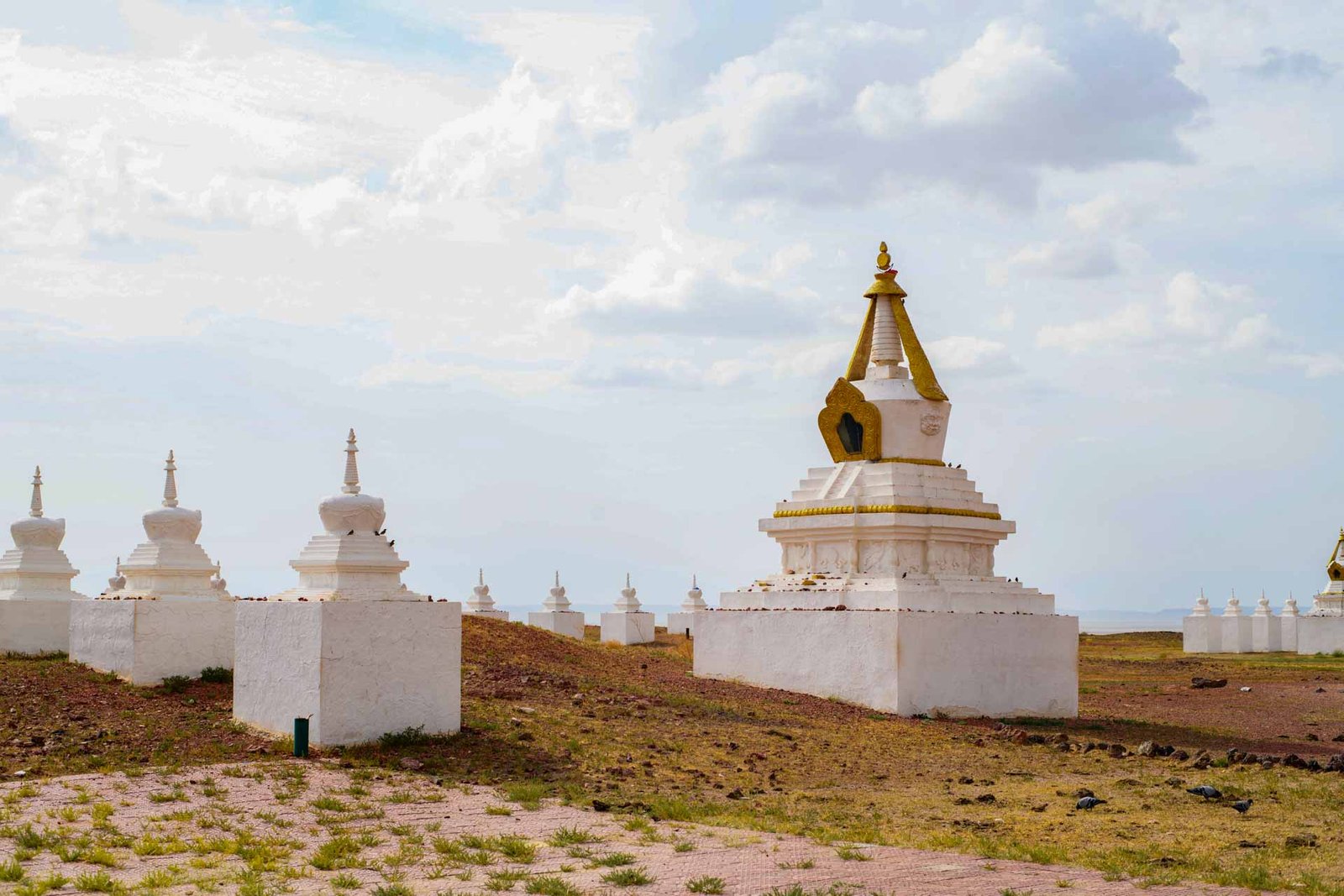
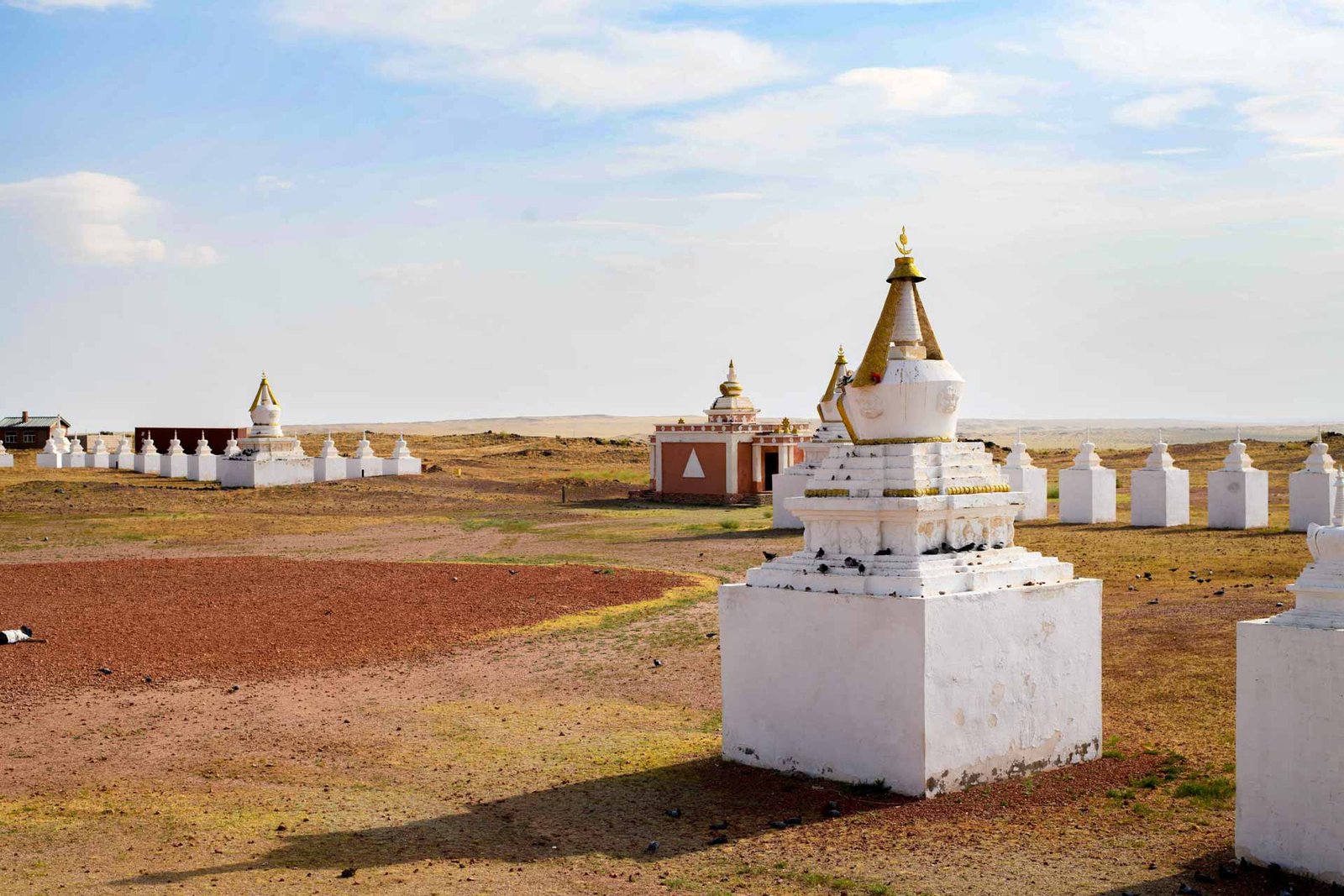
Shambhala is considered one of the great sacred landscapes of Mongolia. The site is associated with Danzanravjaa, the extraordinary 19th-century lama, poet, artist, and mystic whose presence still permeates this part of the Gobi.
In Tibetan Buddhist tradition, Shambhala refers to an enlightened realm—and to the possibility of an enlightened society. Here in the Gobi, that teaching has become rooted in an actual landscape: monastery, desert, pilgrimage route, ritual.
With Mend-Ooyo, we walked the entire pilgrimage route, moving through it not simply as visitors to a historic site, but as pilgrims.
That distinction is at the heart of this journey.
Where we began
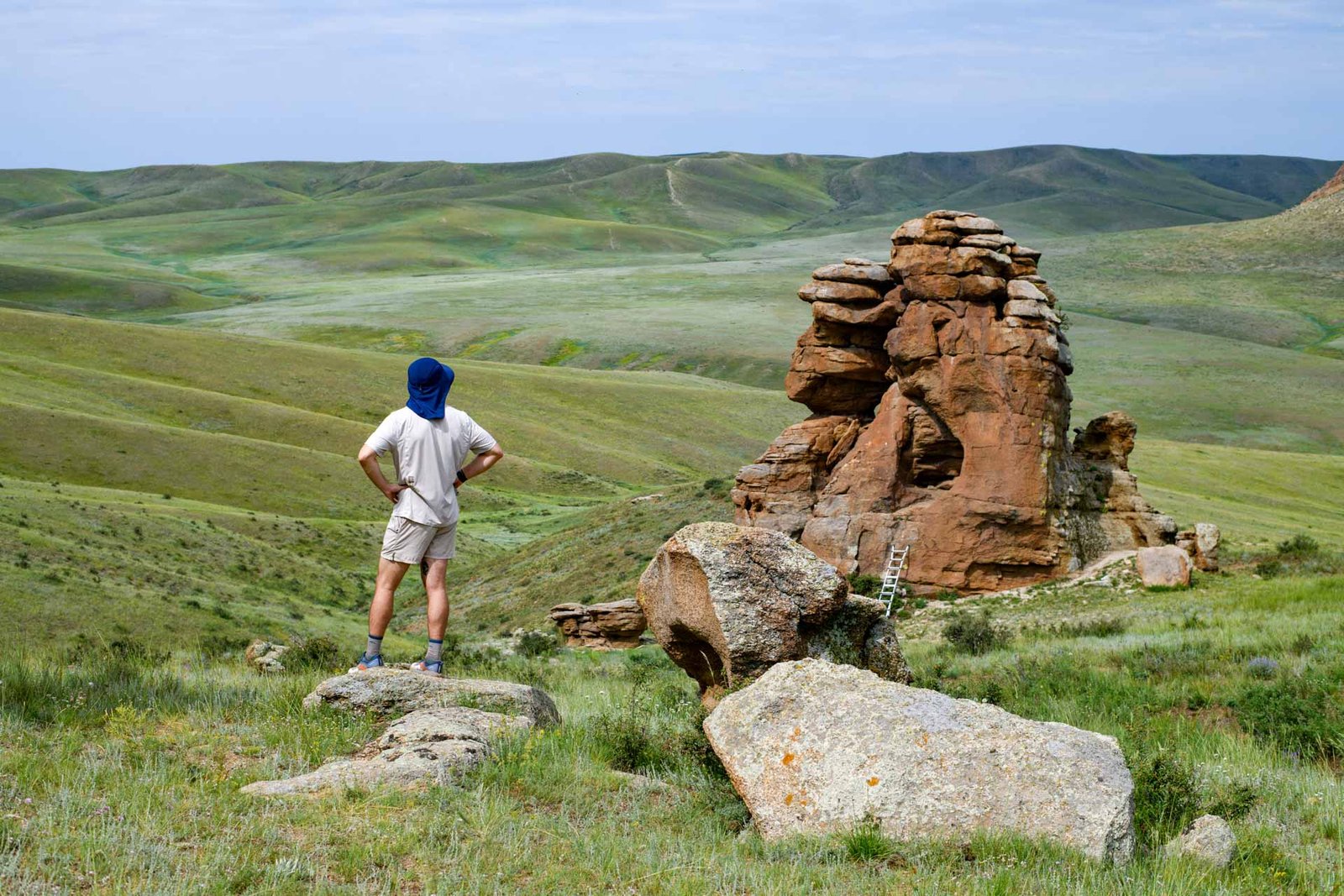
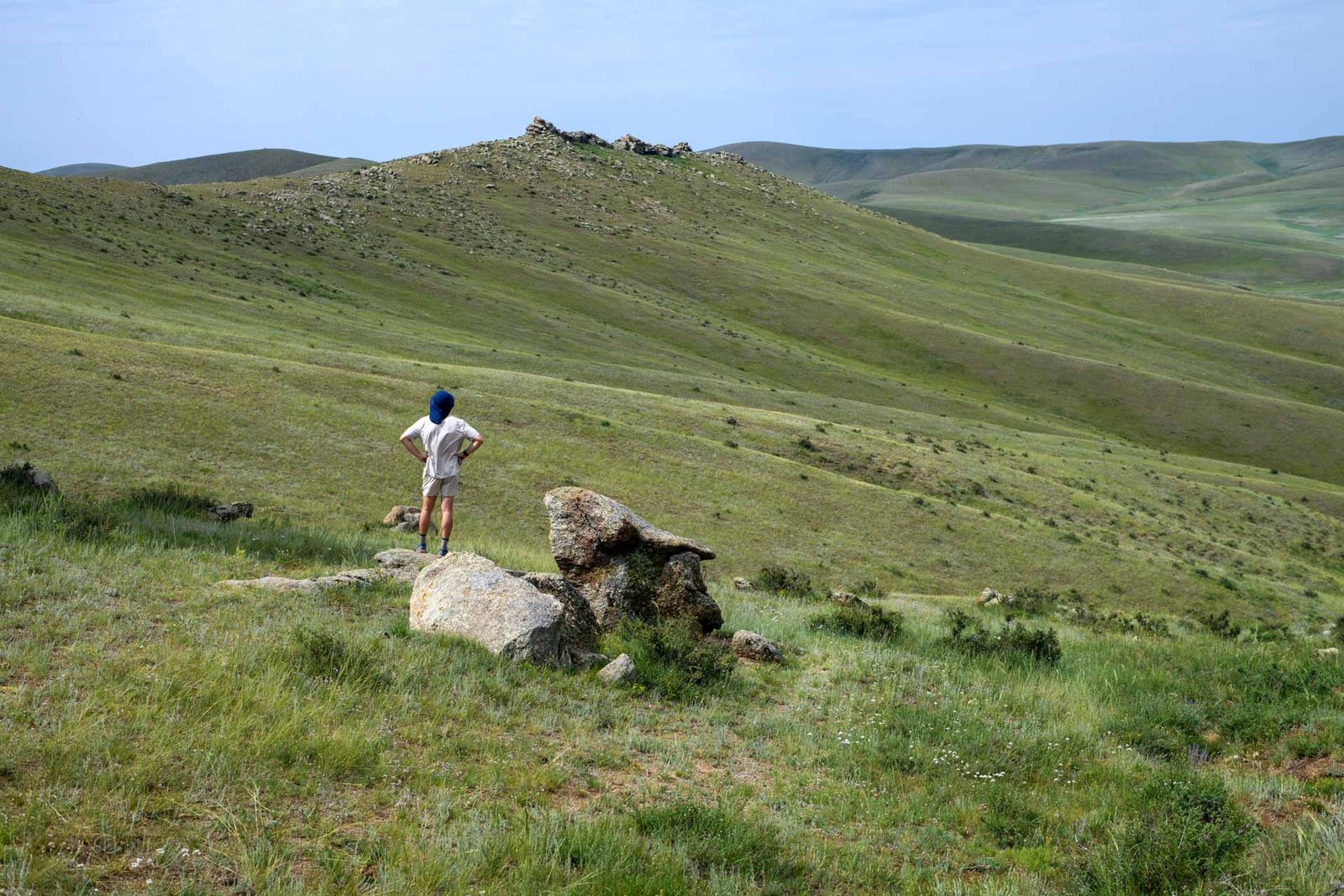
Our 2026 pilgrimage began several hours outside Ulaanbaatar, at a remote Buddhist retreat site surrounded by rugged steppe.
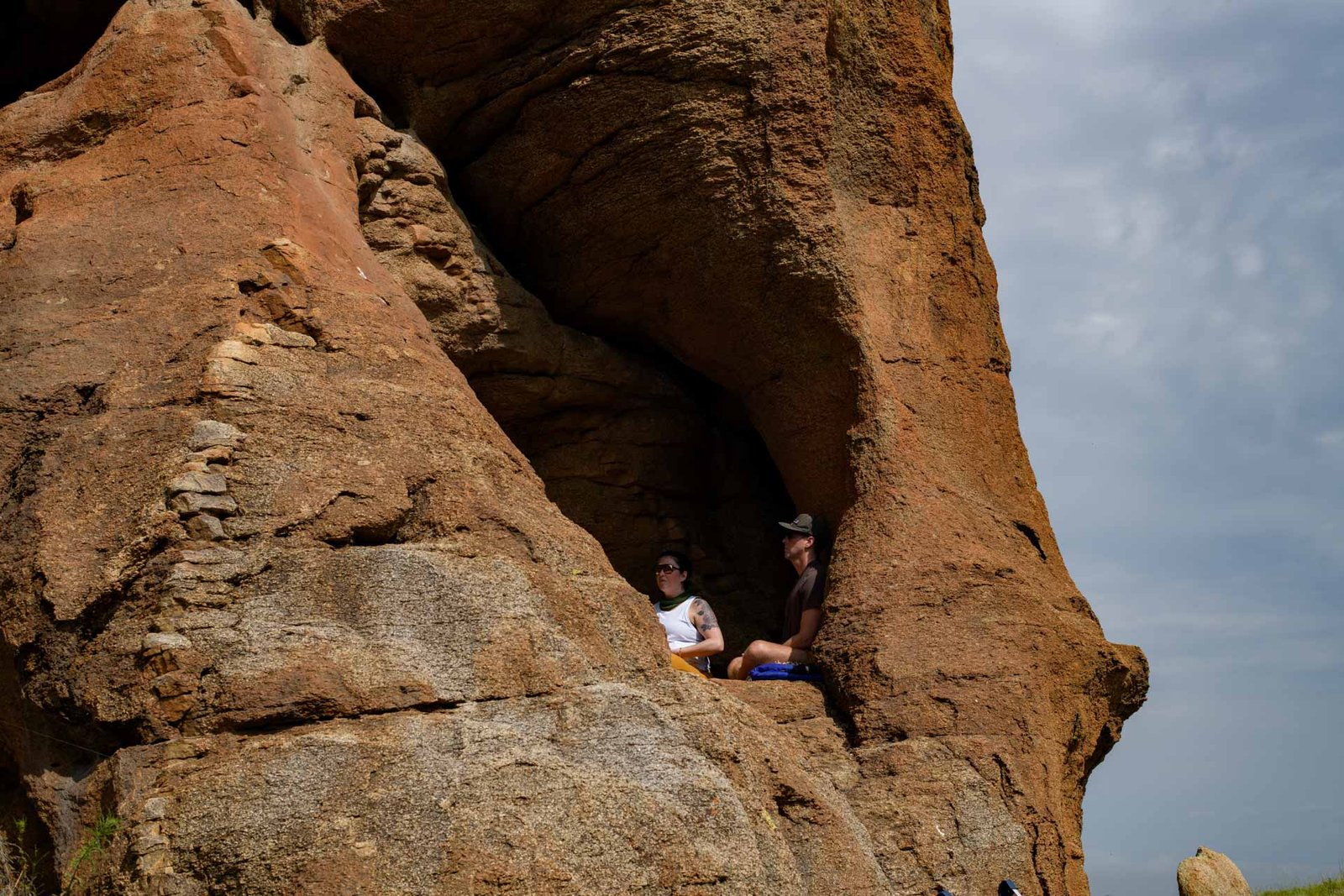
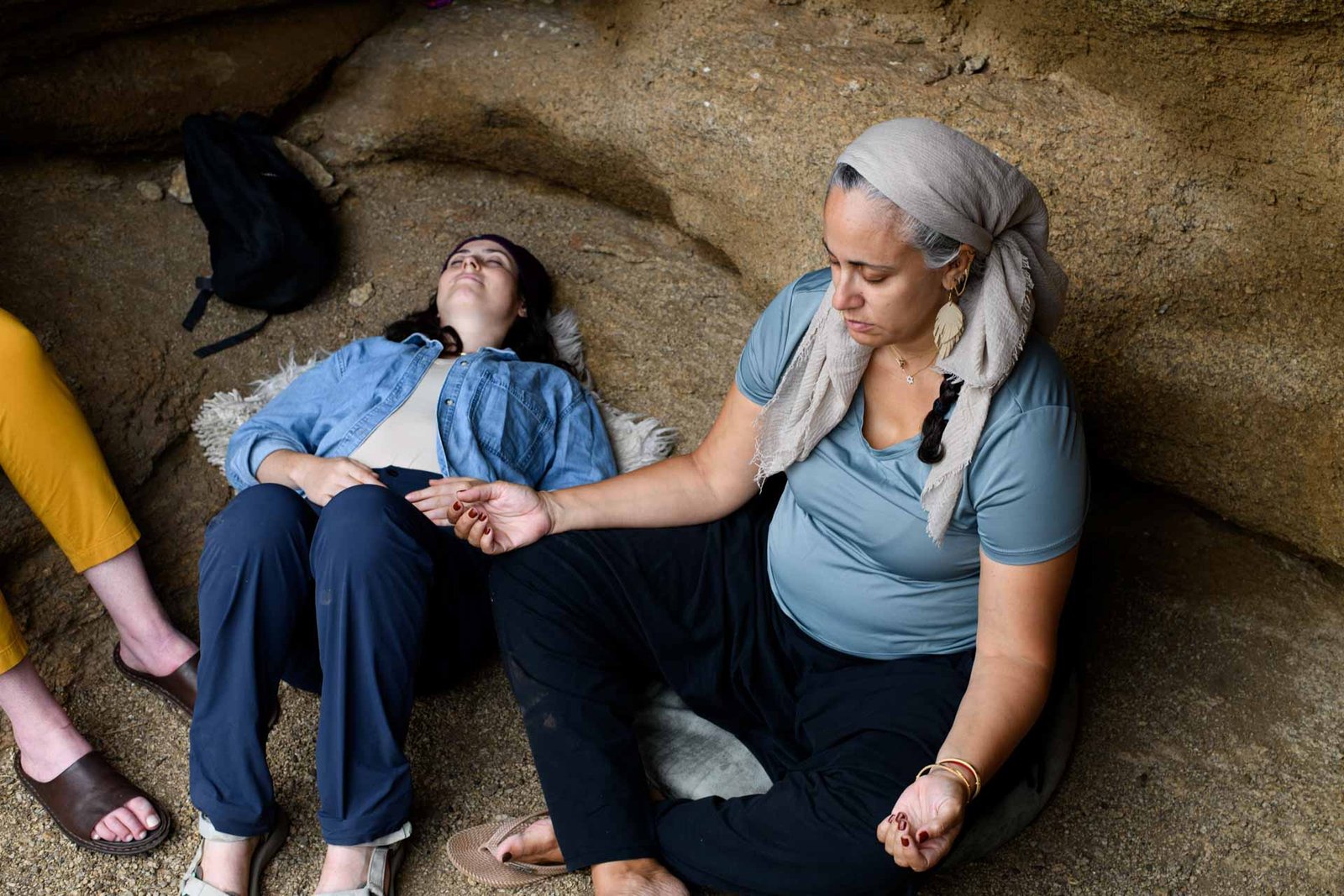
For decades, lamas have used caves here for meditation and solitary retreat. Each summer, a lama brings practitioners into silence on this land.
We spent our first day and a half with him.
There were Buddhist teachings and meditation, but also something simpler: the abrupt transition from the speed and noise of ordinary life into stillness.
There wasn’t much around us.
Rock. Grass. Sky. Wind.
It was a threshold—a way of becoming quiet enough to enter what came next.
From there, we turned south toward the Gobi.
Shambhala
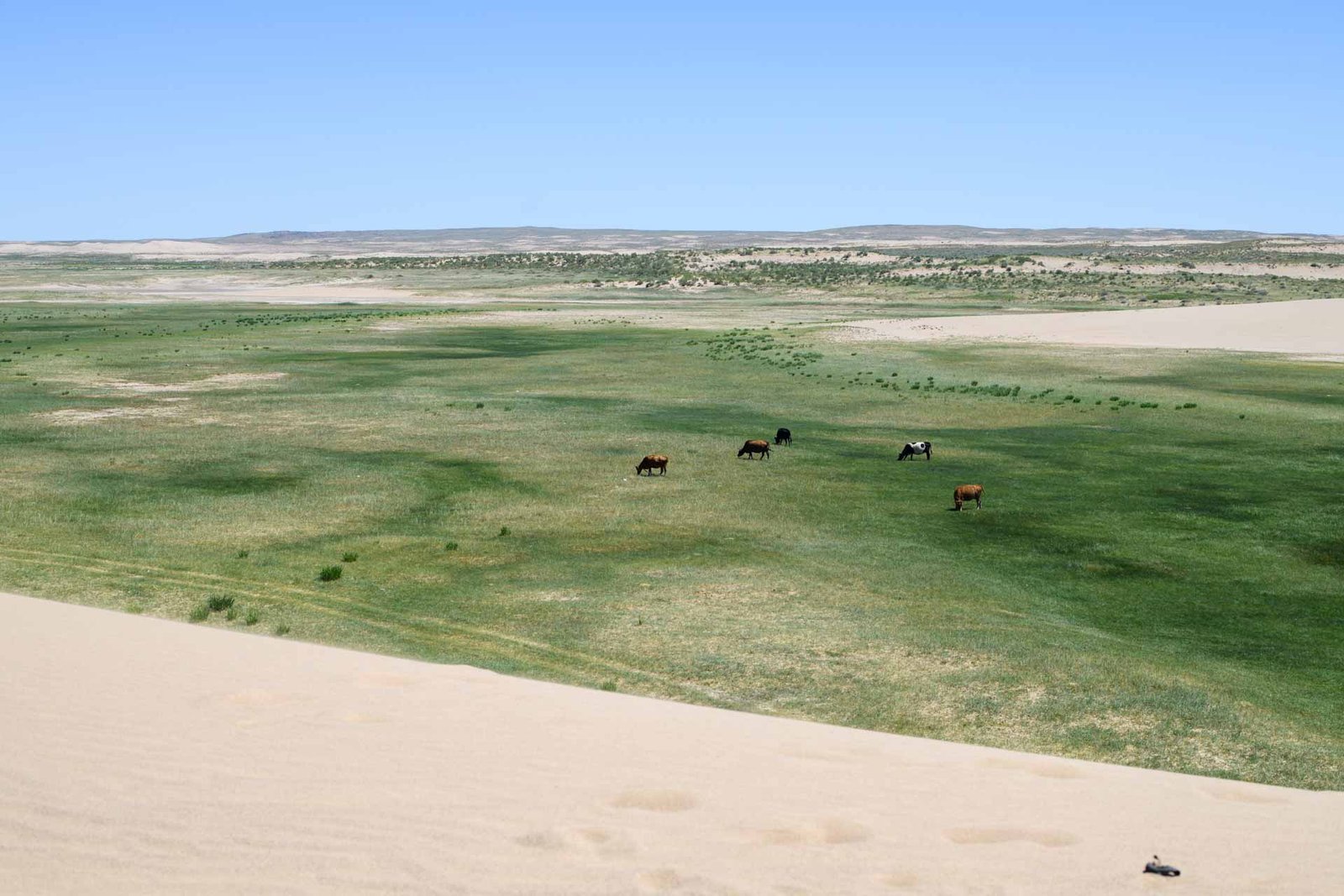
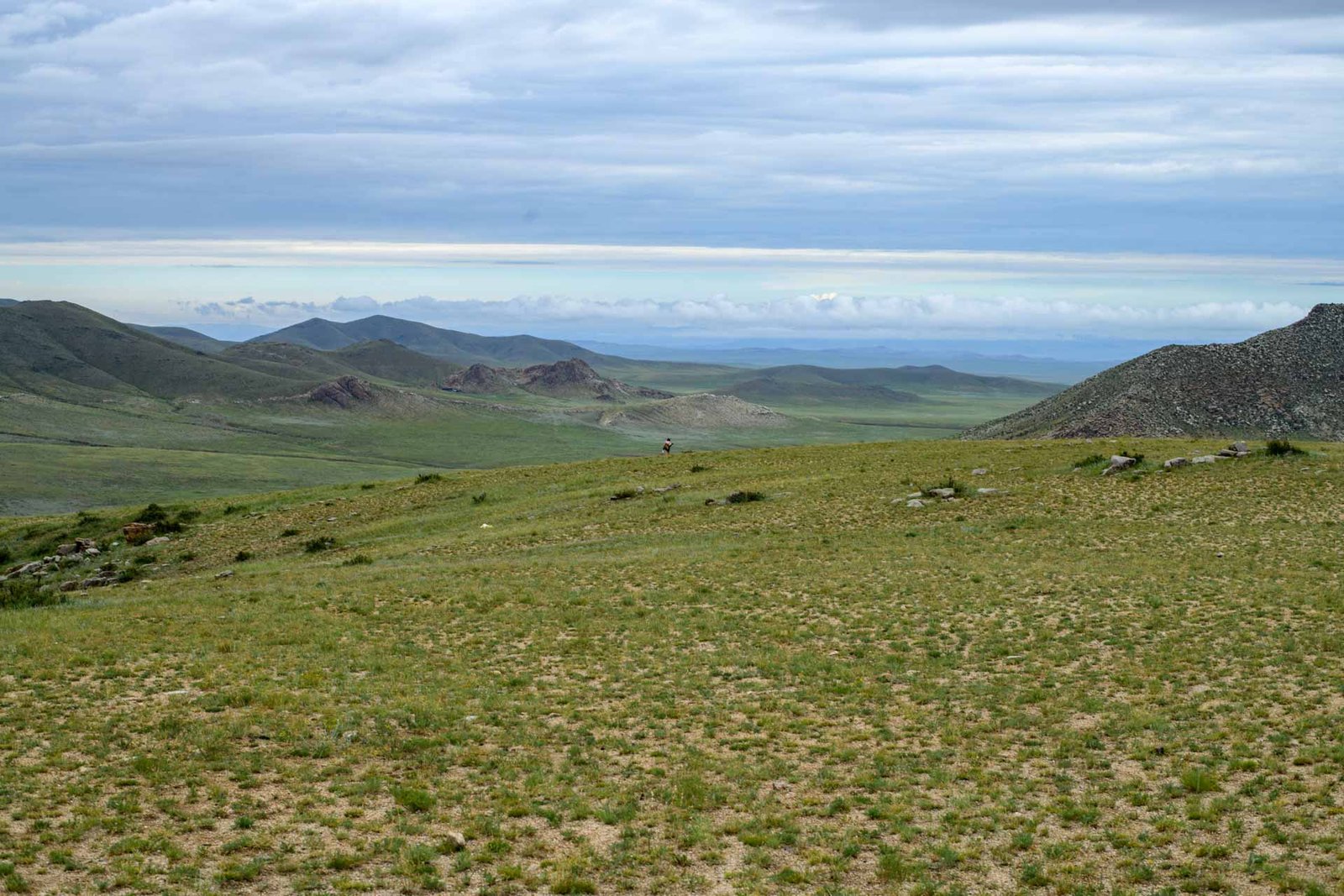
The Gobi is often imagined as emptiness.
But traveling through it this way reveals something else entirely.
The landscape is full of stories. Mountains are associated with spirits. Places are visited for healing or prayer. Offerings are made. Certain routes have been walked for generations.
For three days, we entered this world through Shambhala.
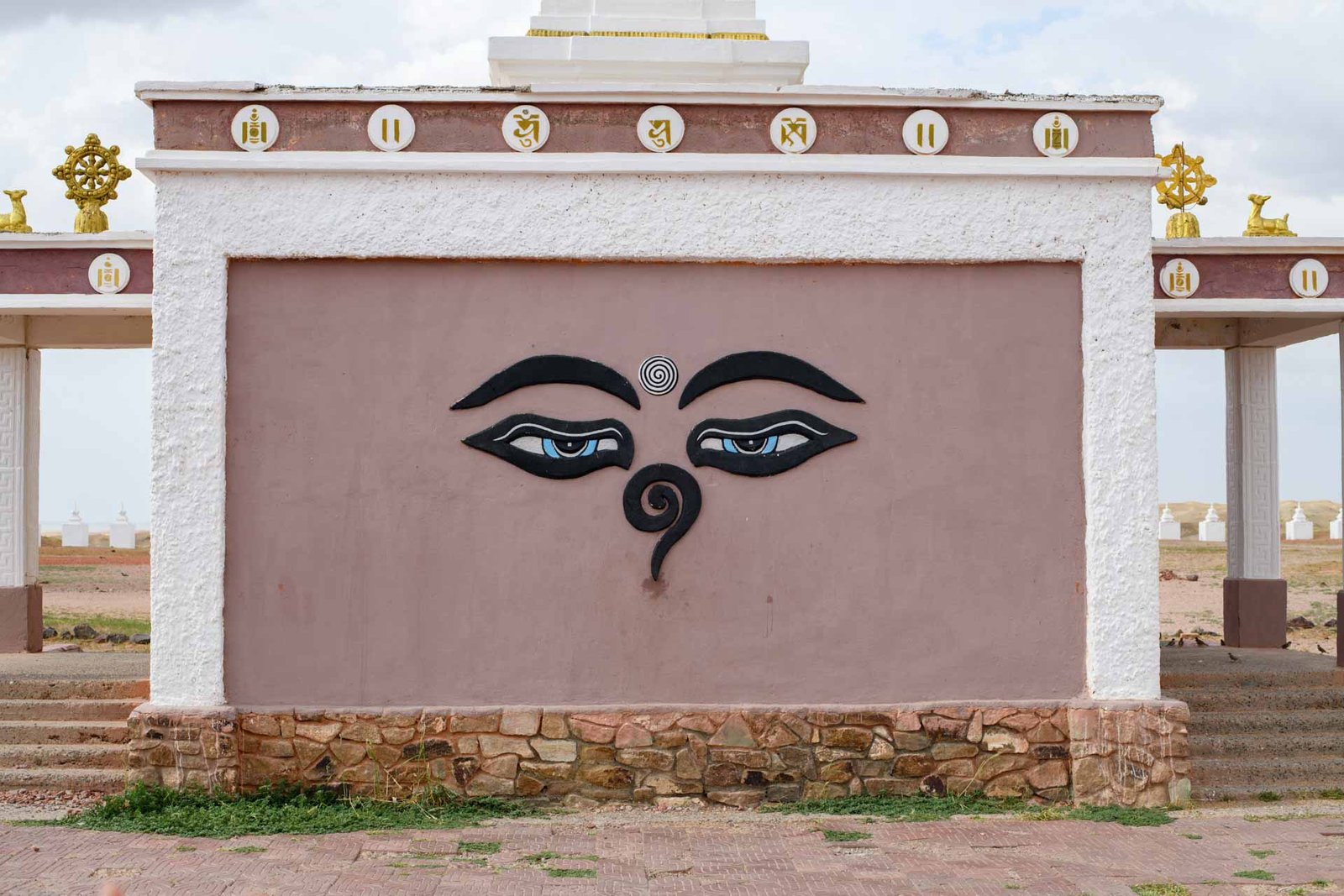
Mend-Ooyo introduced us to the life and teachings of Danzanravjaa and the particular form of Tibetan Buddhism that took root here. We visited Hamriin Hiid monastery, entered sacred spaces, and walked the pilgrimage route through the surrounding desert.
What I love about pilgrimage is that it asks something different of us than travel.
Travel can be about seeing.
Pilgrimage asks us to participate.
To walk the path. To make the offering. To listen to the stories. To allow a landscape to carry meanings we may not fully understand.
Music in the desert
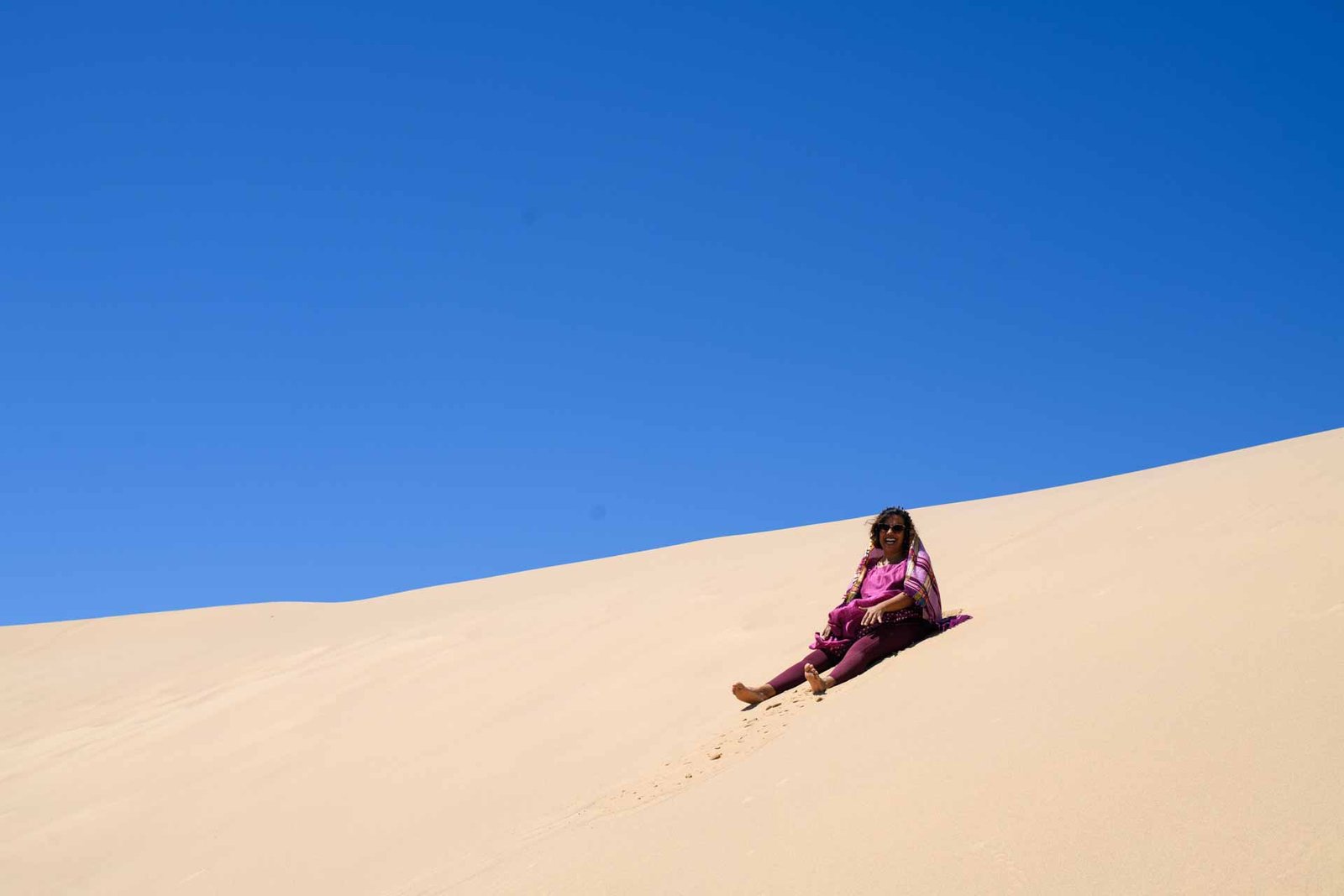
After Shambhala, we traveled deeper into the Gobi.
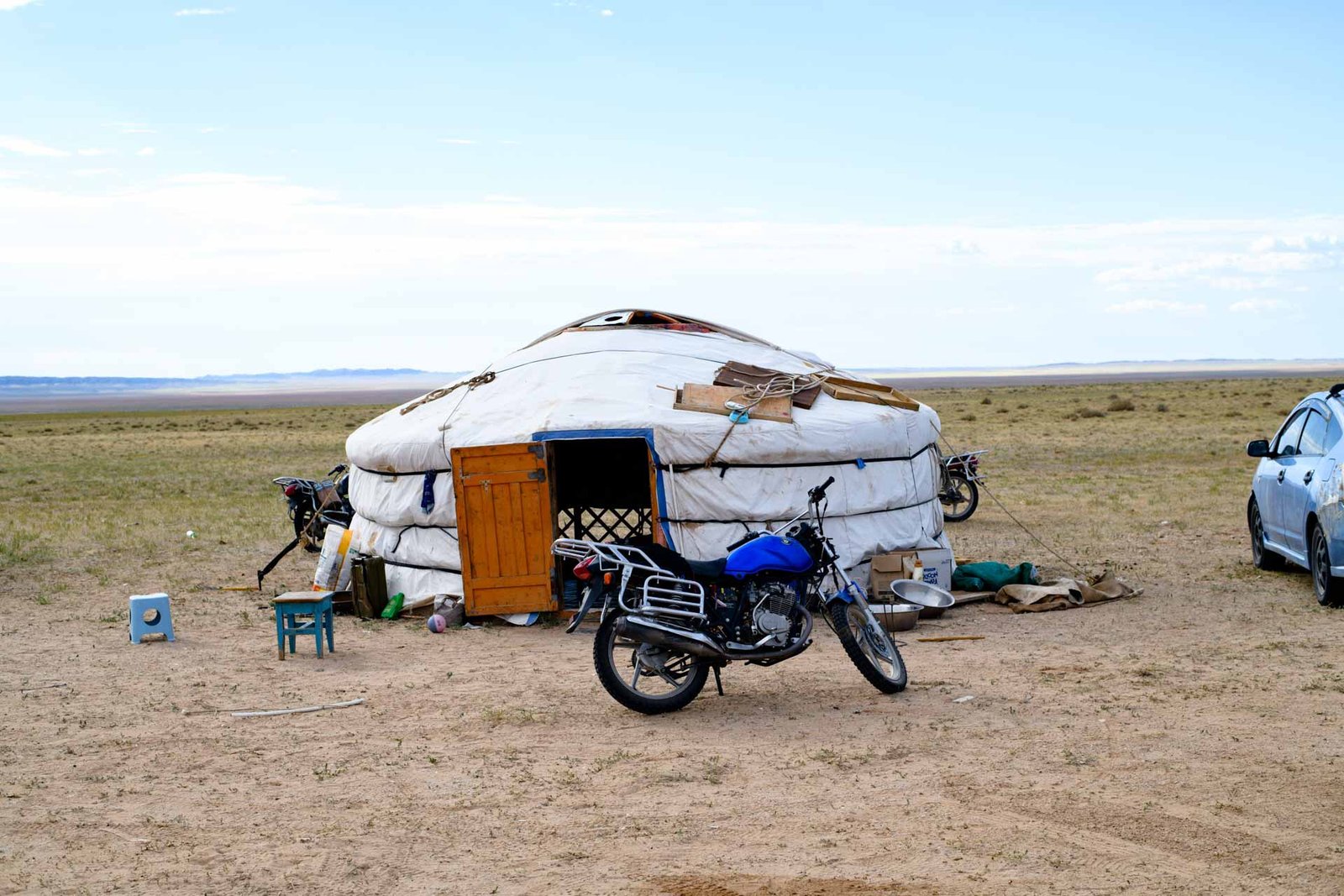
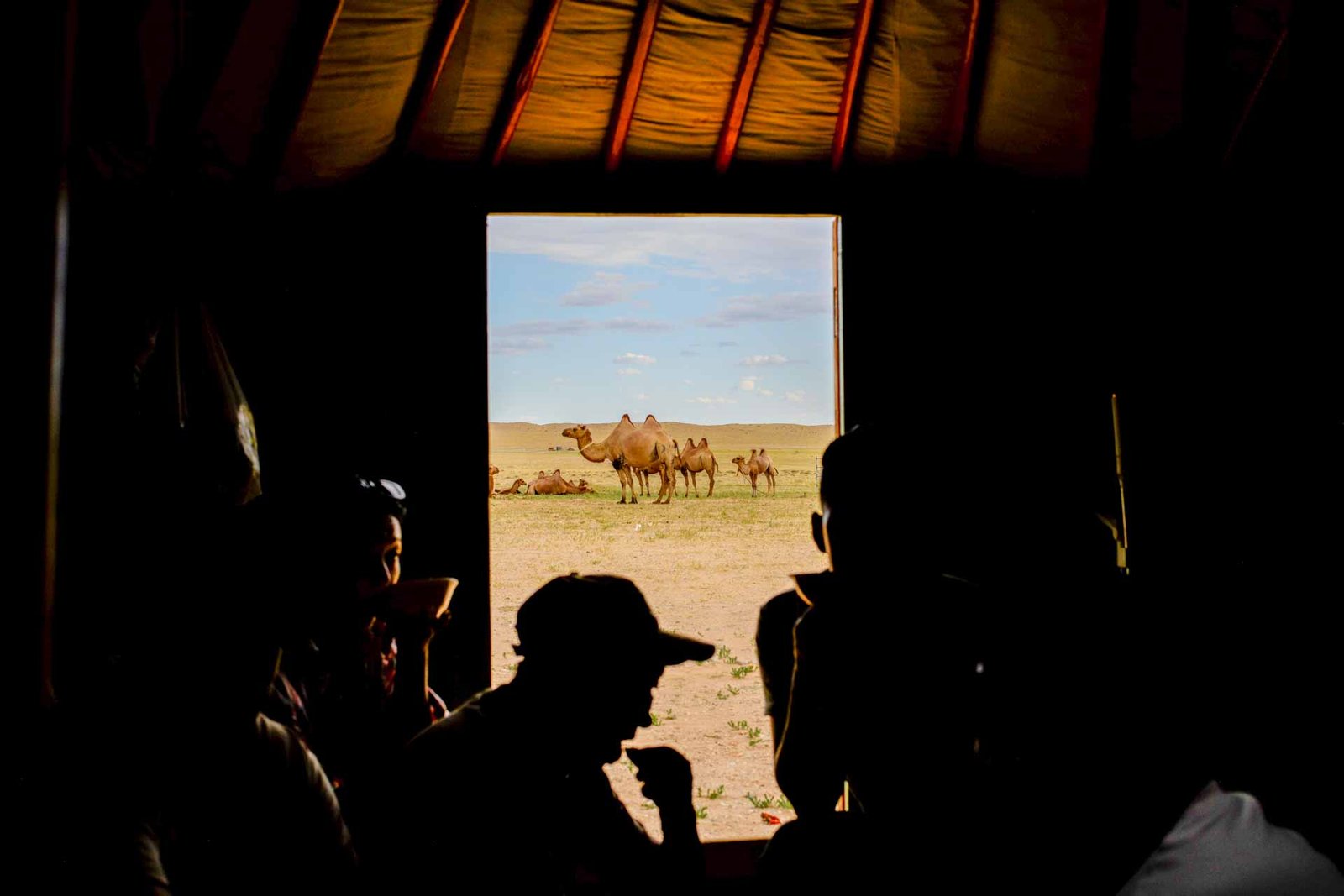
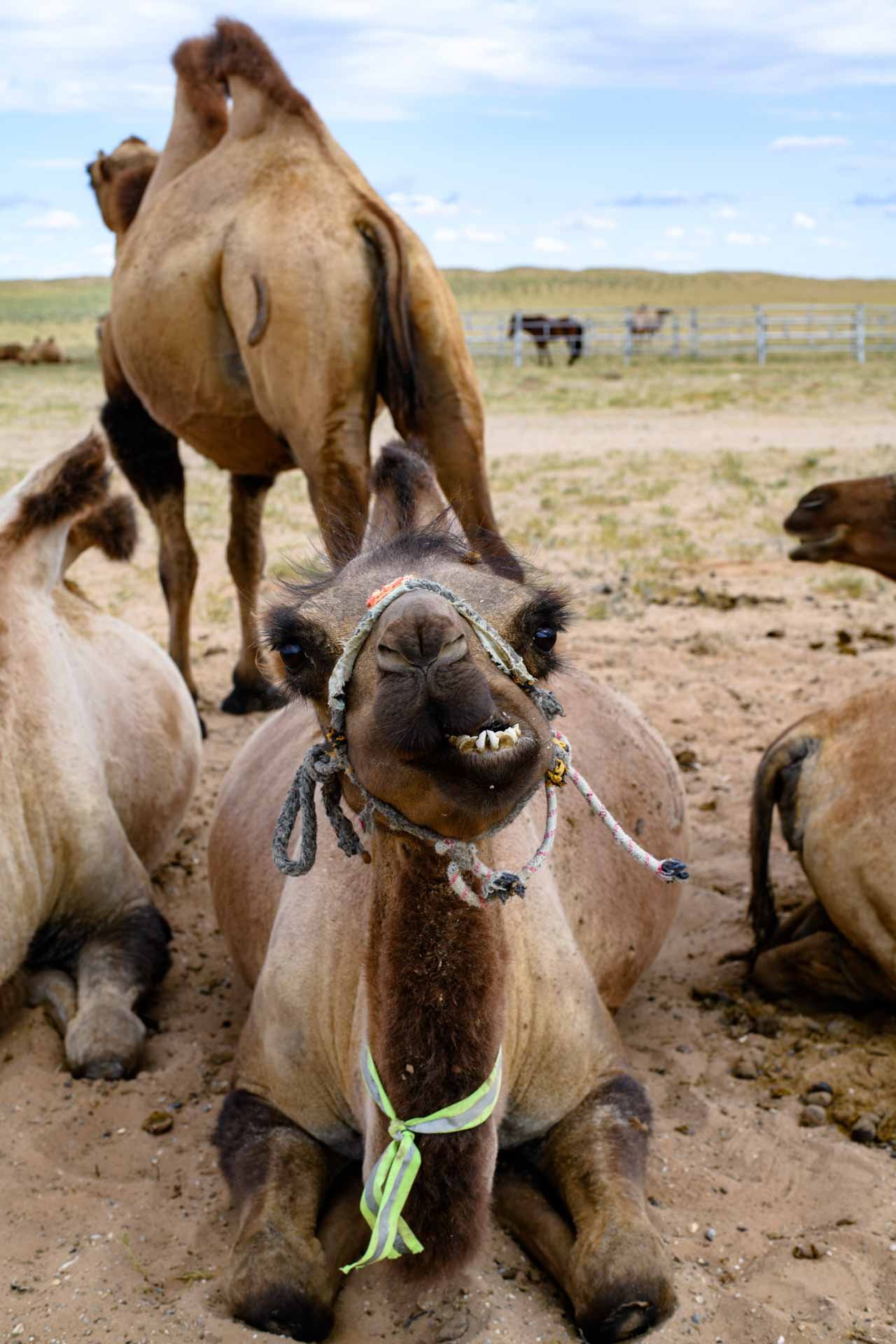
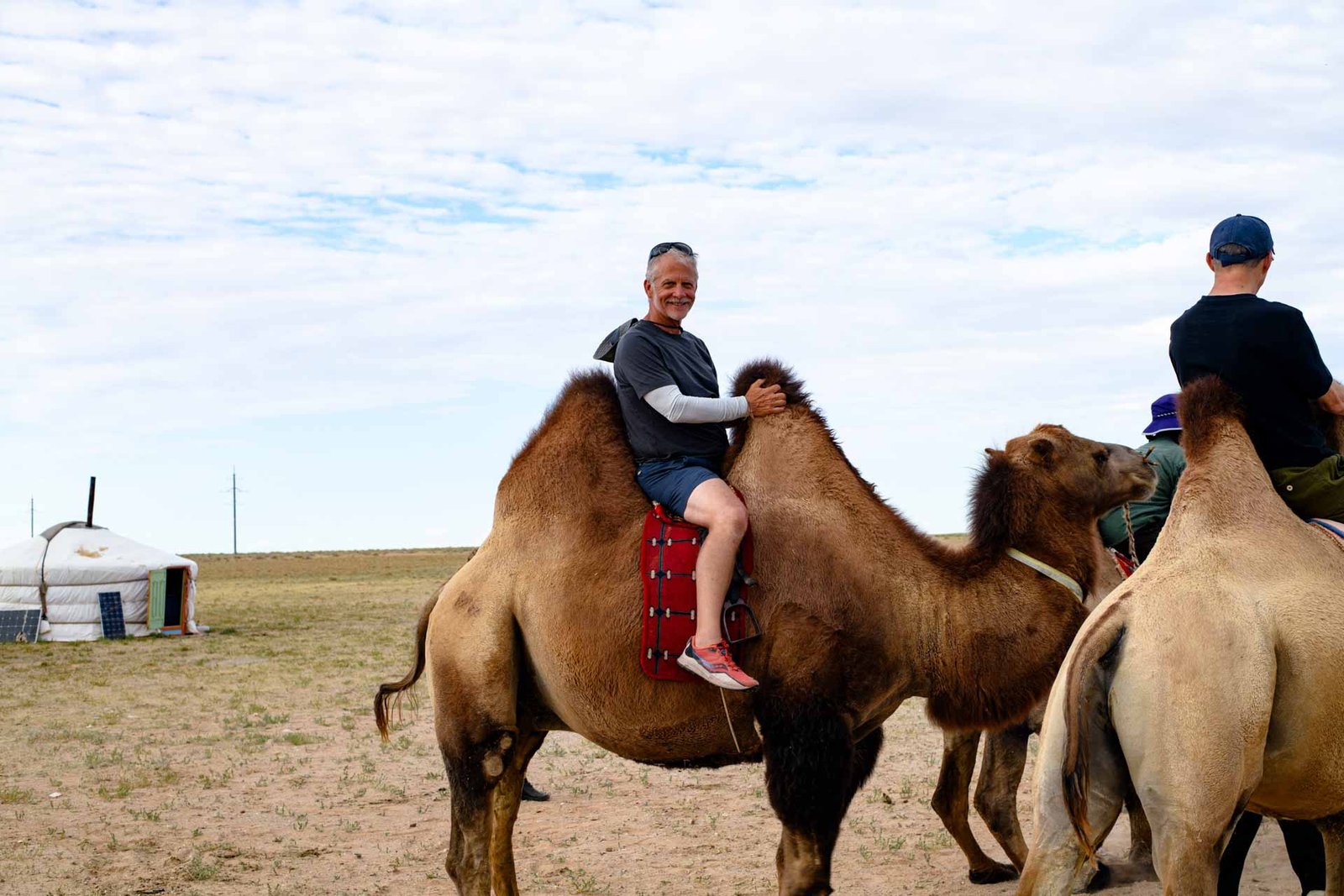
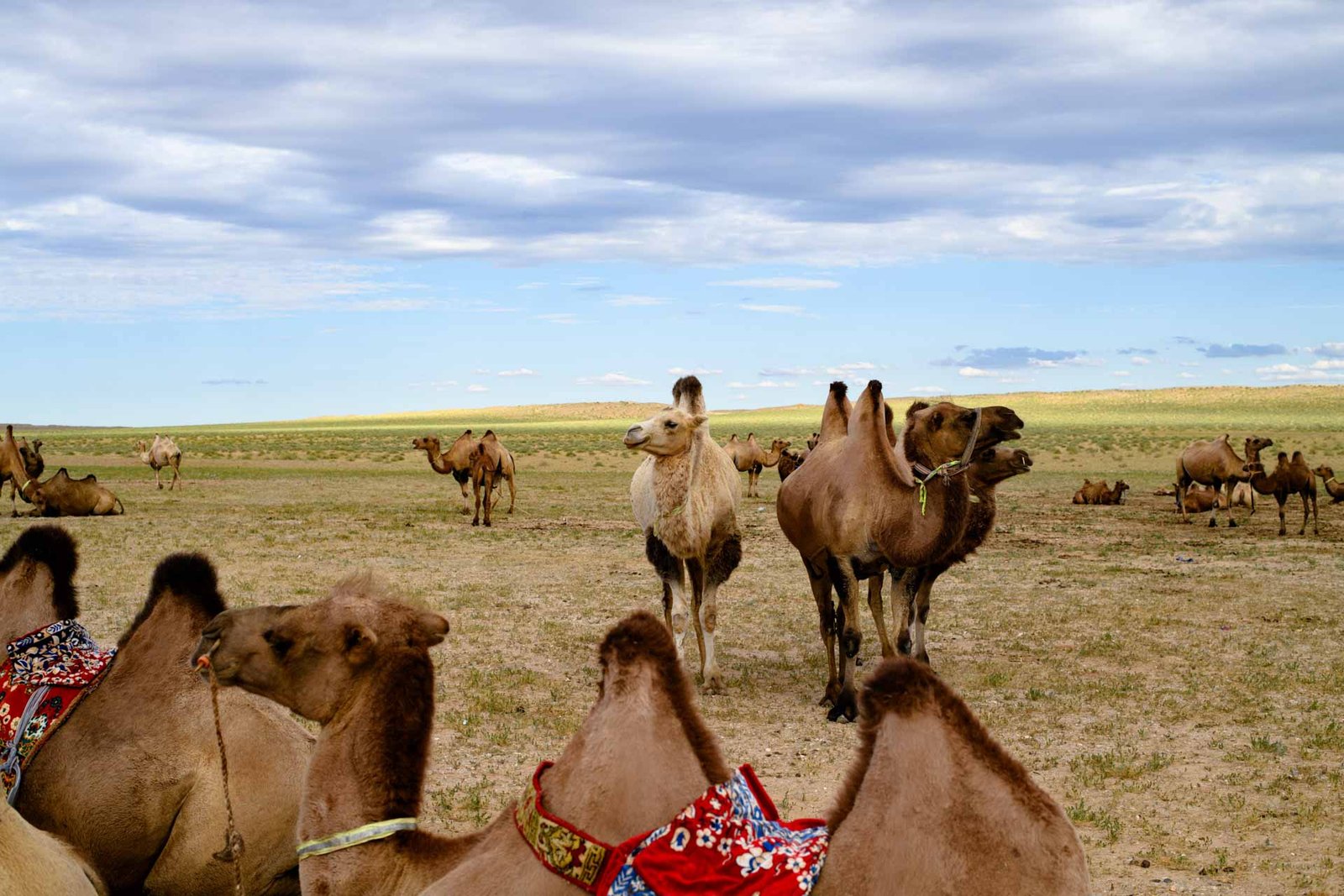
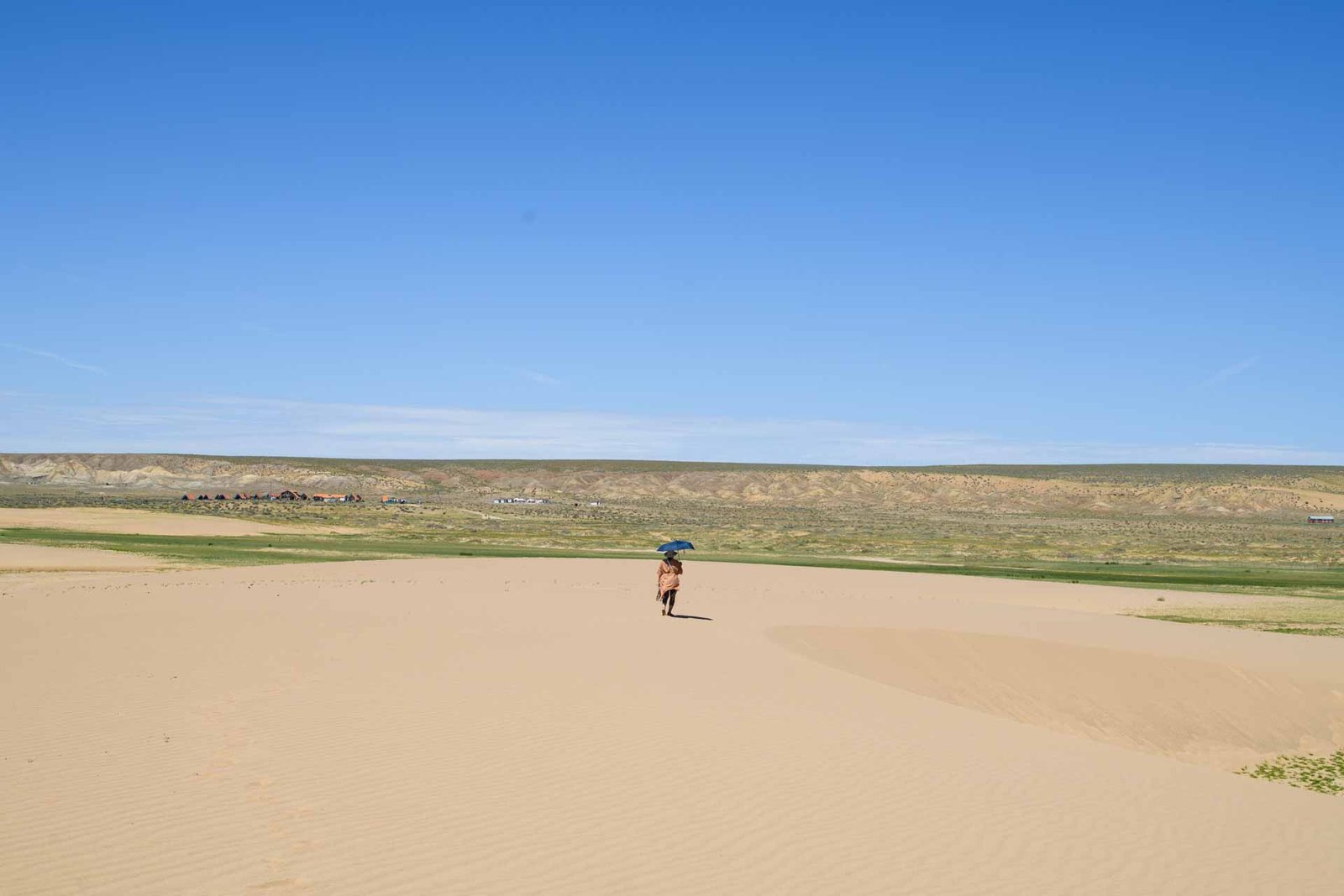
We spent a day among immense sand dunes, then visited a nomadic camel-herding family whose life is intertwined with this desert.
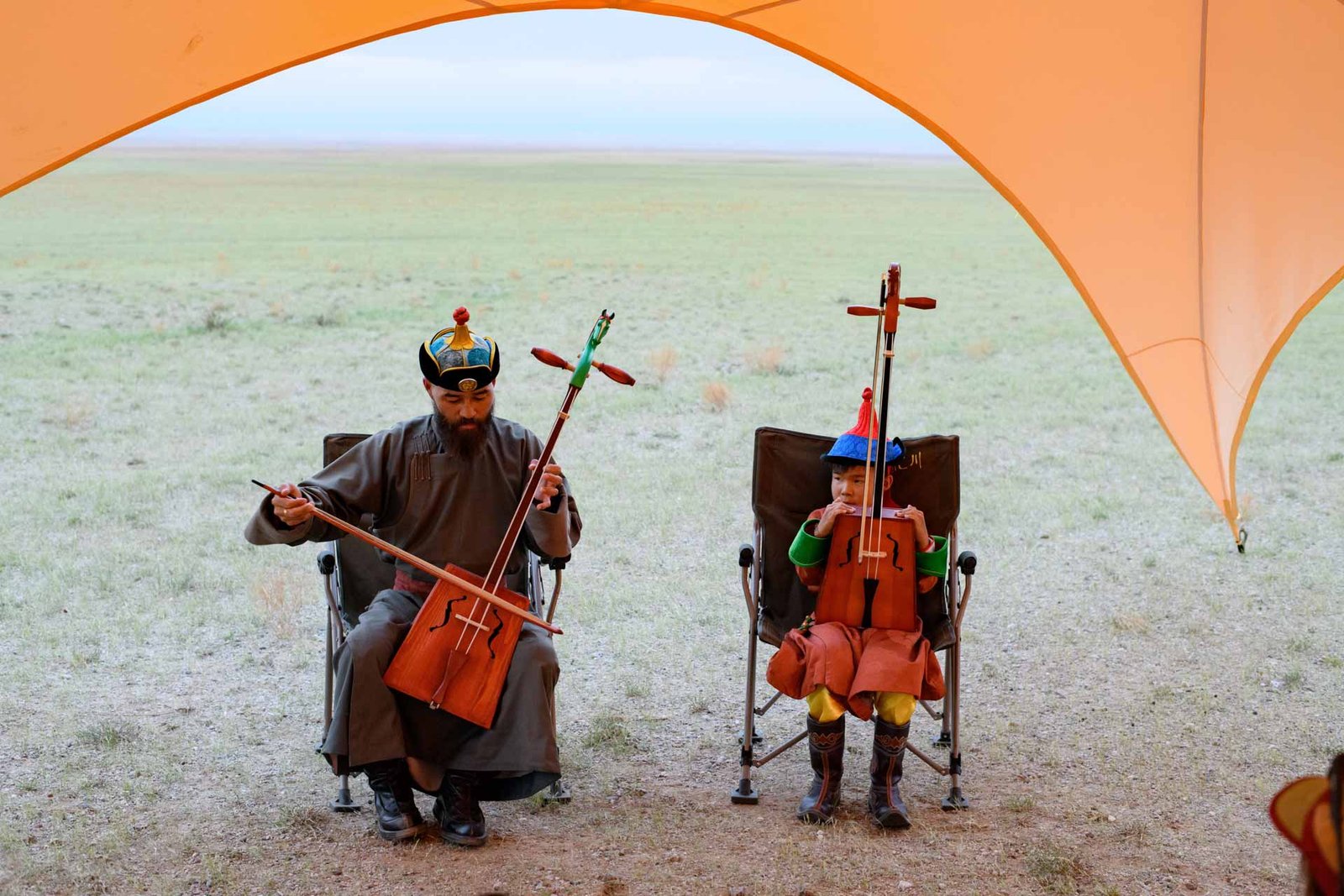
That evening, as the sun began to fall, Mongolian musicians joined us.
We sat beneath the open sky as they played and sang into the landscape.
This is one of the experiences I keep returning to from the journey: music without walls around it.
Nothing separating the sound from the place that shaped it.
The sun disappearing into the desert. The temperature dropping. Music moving outward into an enormous horizon.
And all of us simply listening.
Making room for what happened
The next day, we stopped.
No pilgrimage. No long drive. Nowhere else we needed to get to.
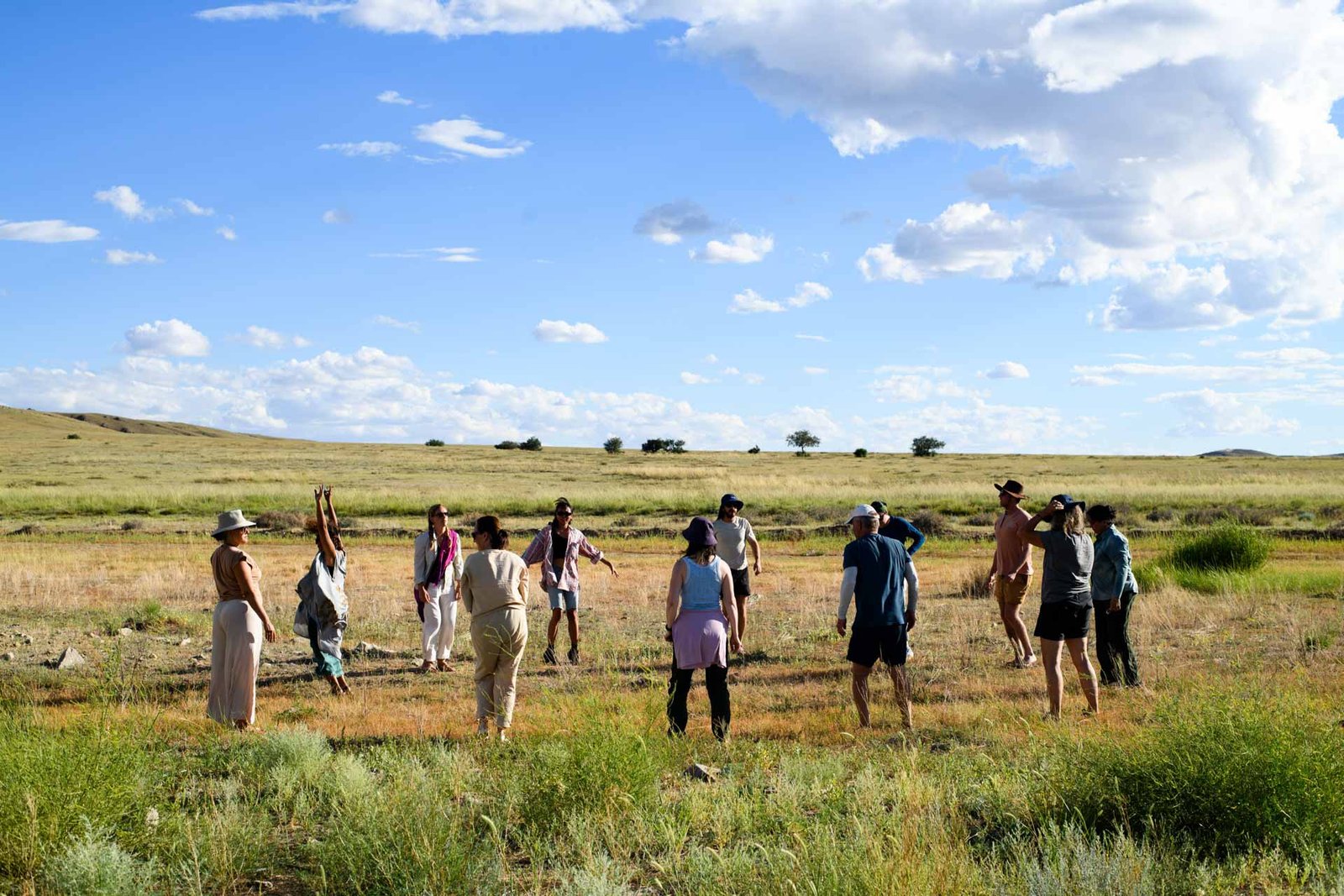
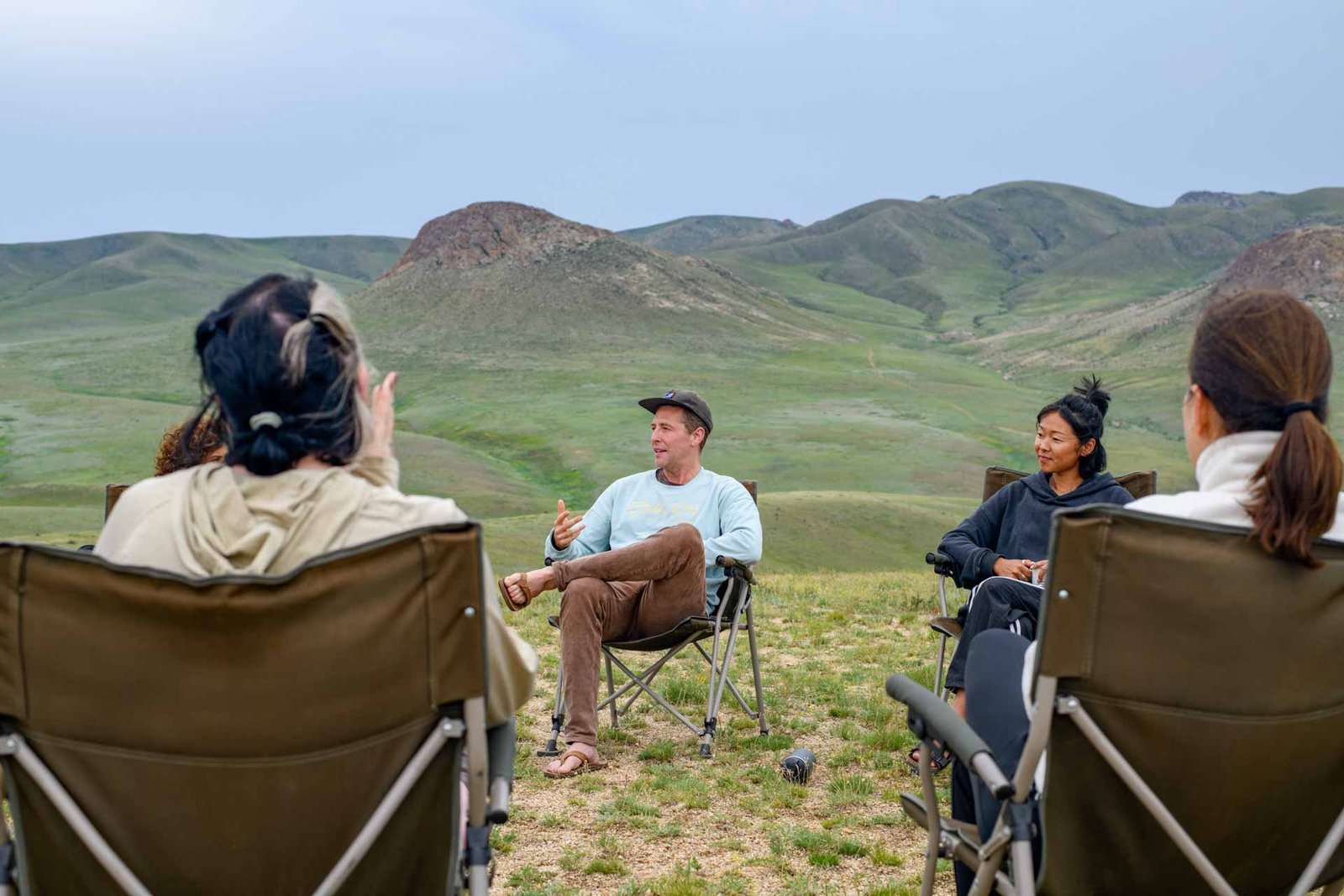
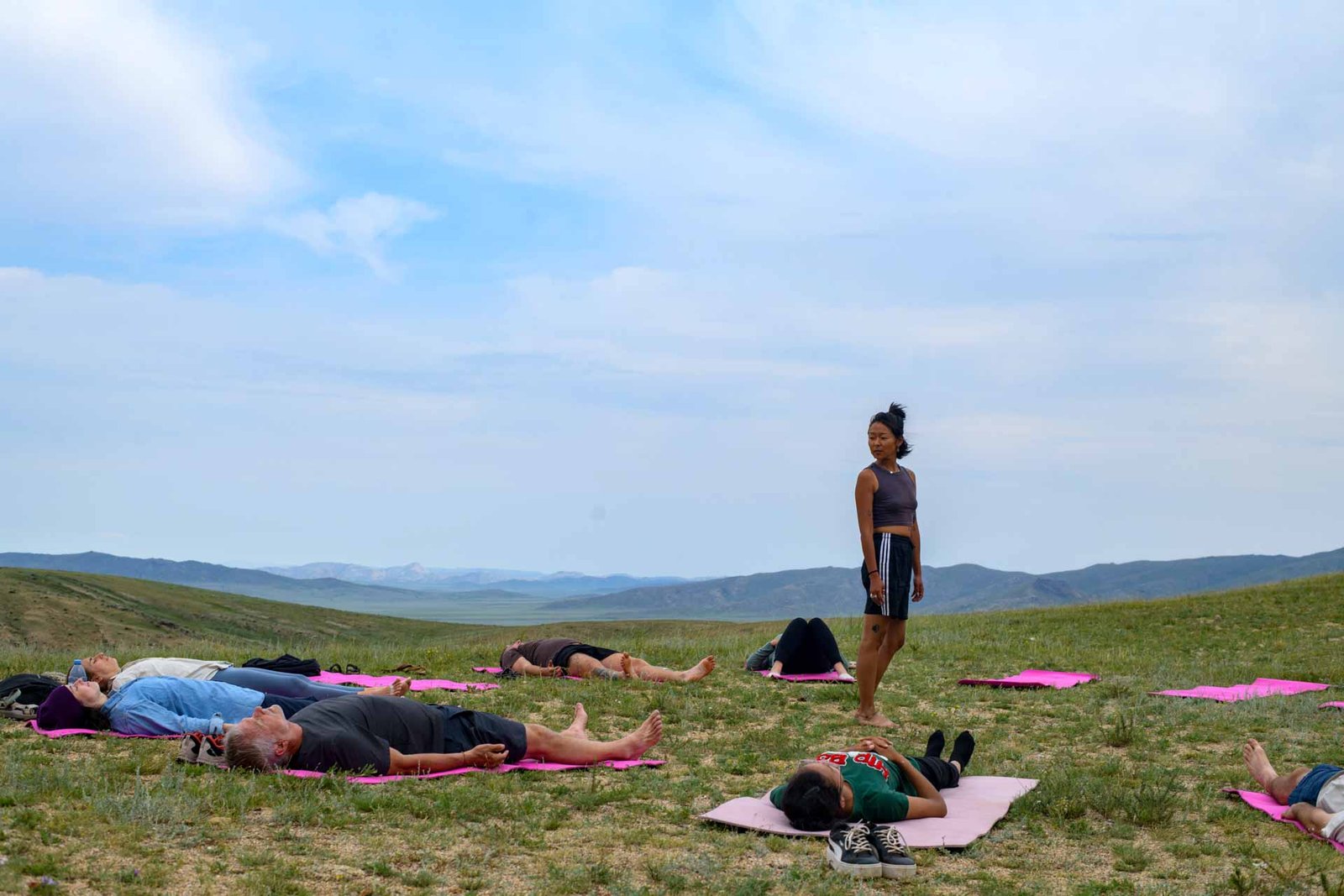
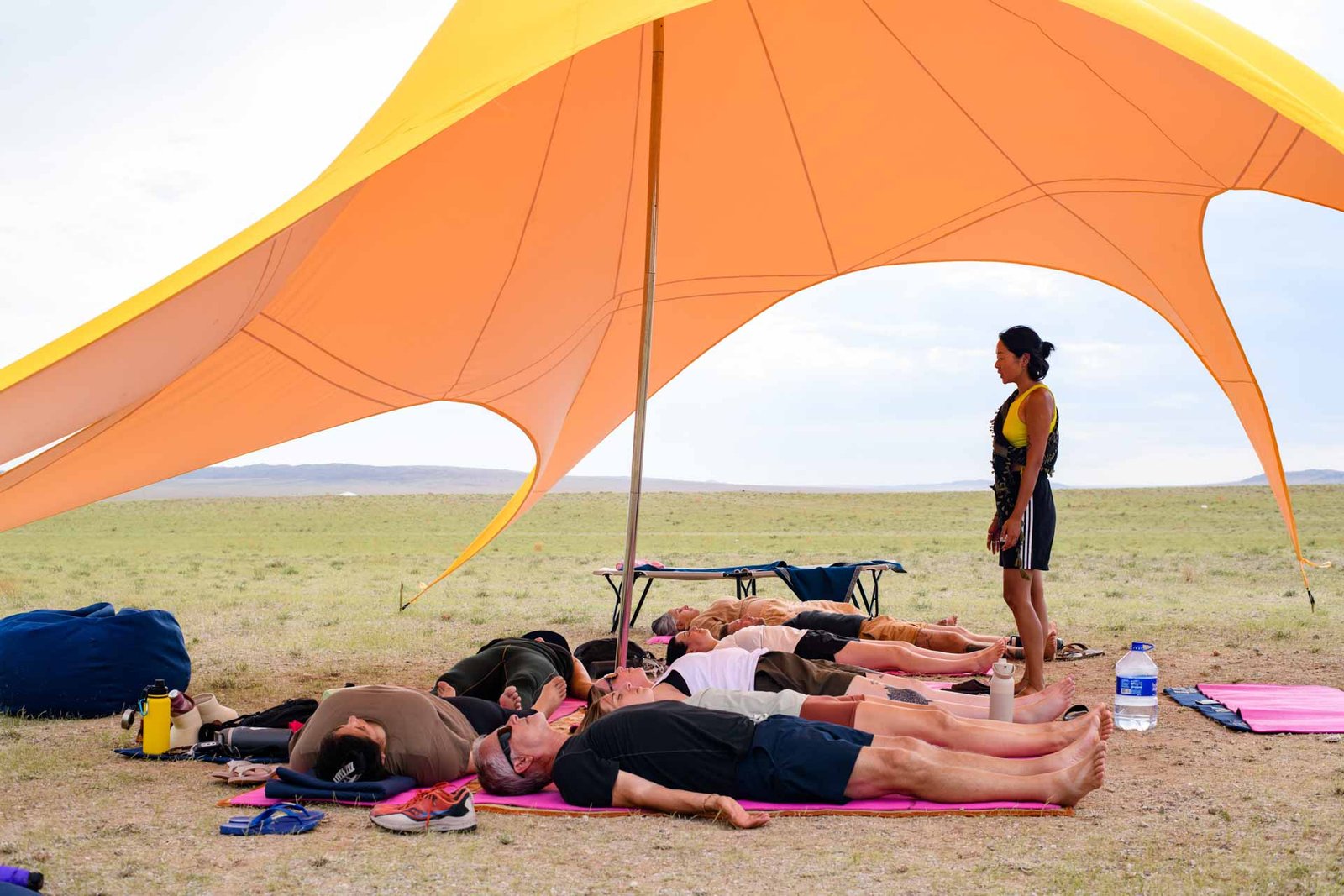
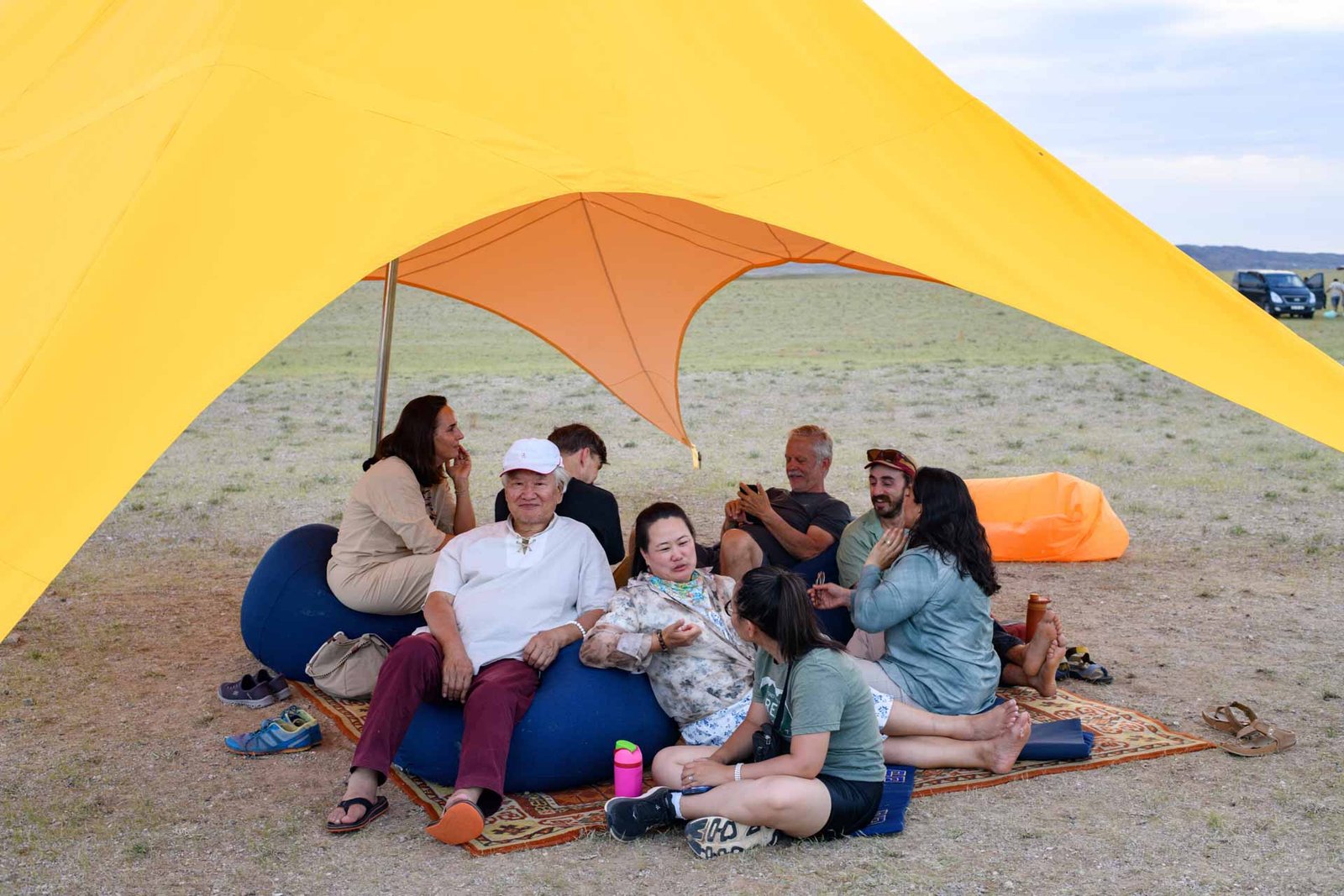
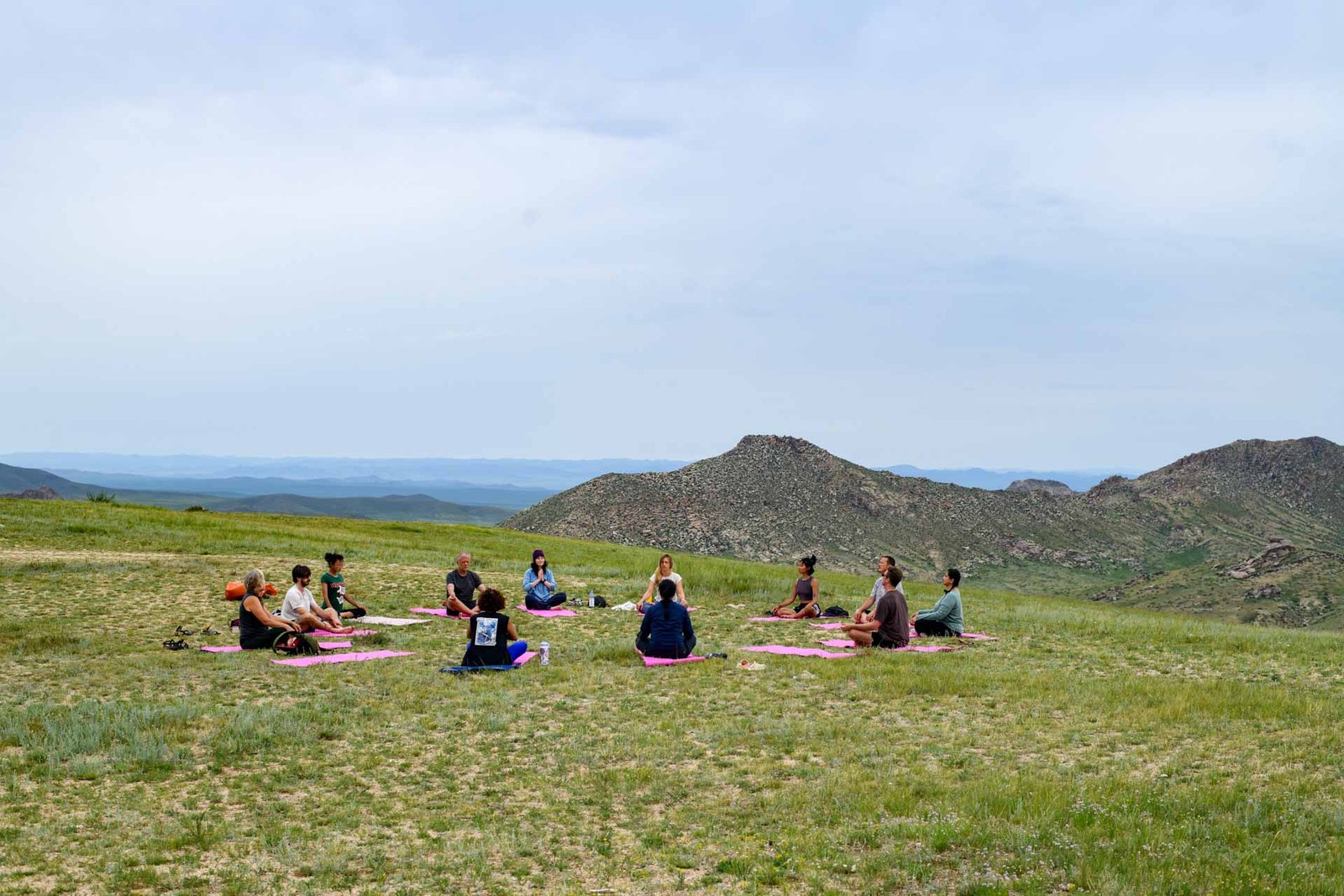
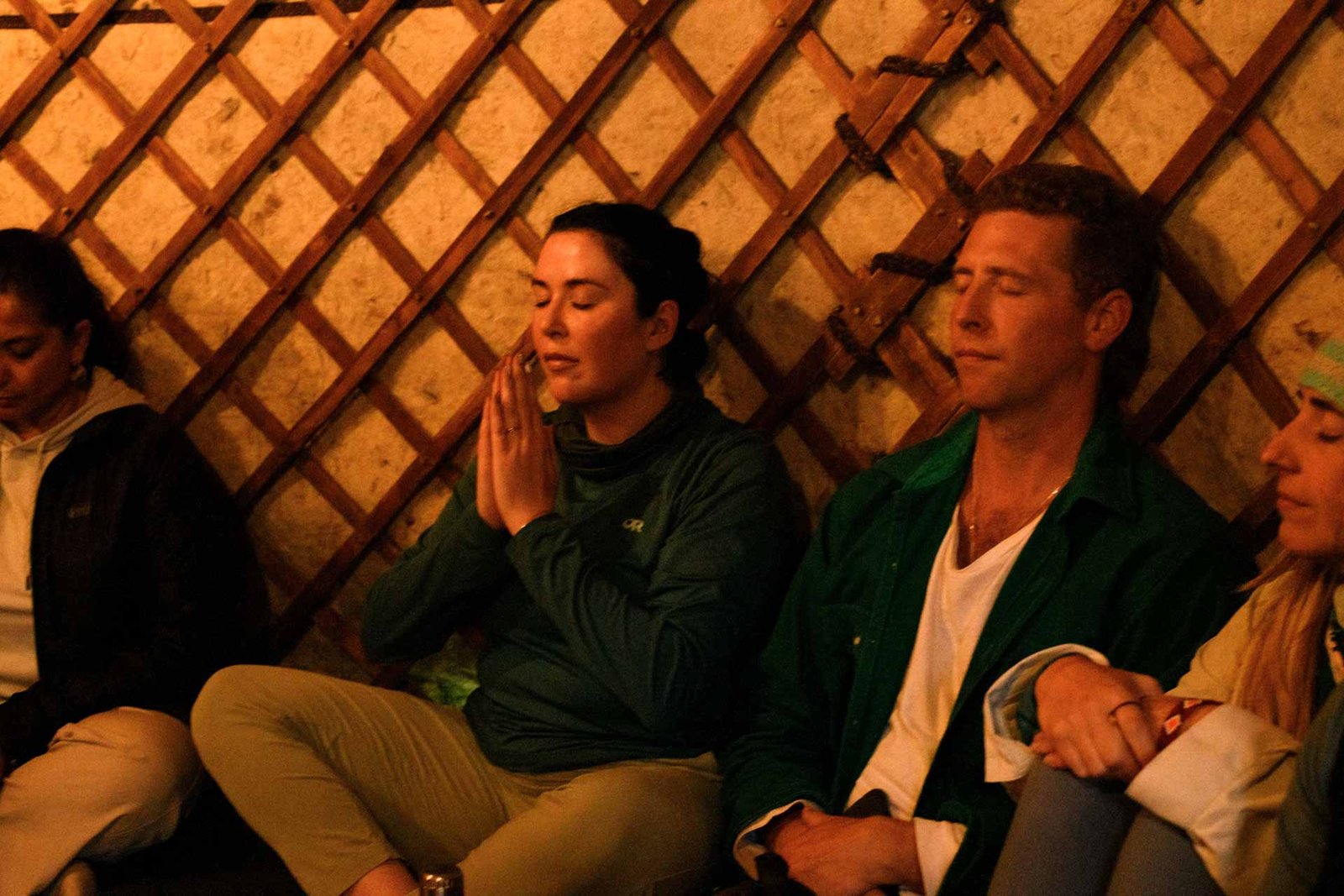
We practiced yoga and breathwork. We rested. We sat in circle and made space for what the previous days had stirred.
This rhythm is intentional.
On these journeys, I don’t want us to simply accumulate extraordinary experiences. More places. More ceremonies. More beauty.
At some point, we have to stop consuming experience and let experience work on us.
So we create space for integration.
For silence.
For the question beneath the journey: what is actually changing in me?
Black Mountain
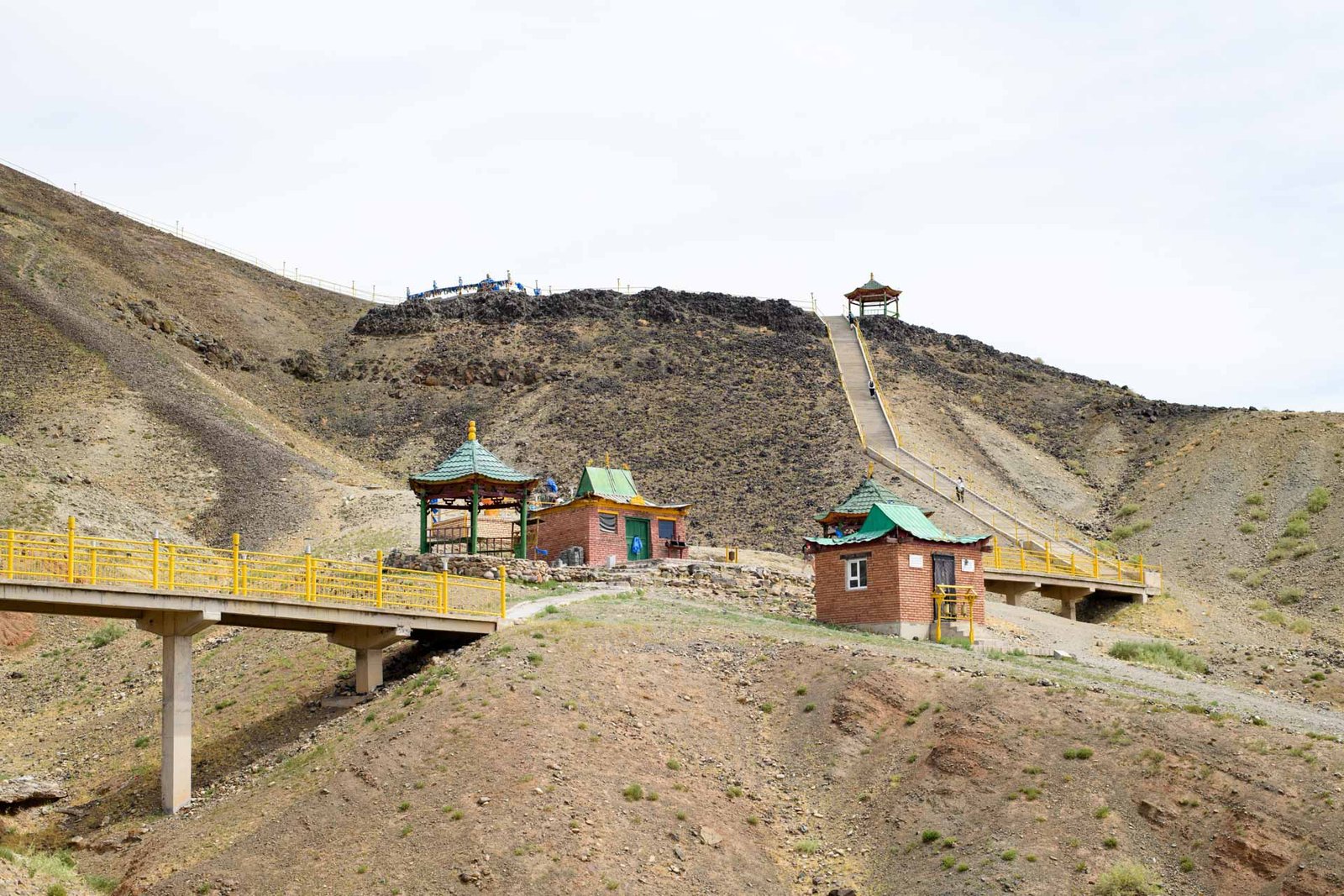
From there, we traveled to a mountain rising from the desert.
Some call it Black Mountain. Others know it as Wish Mountain.
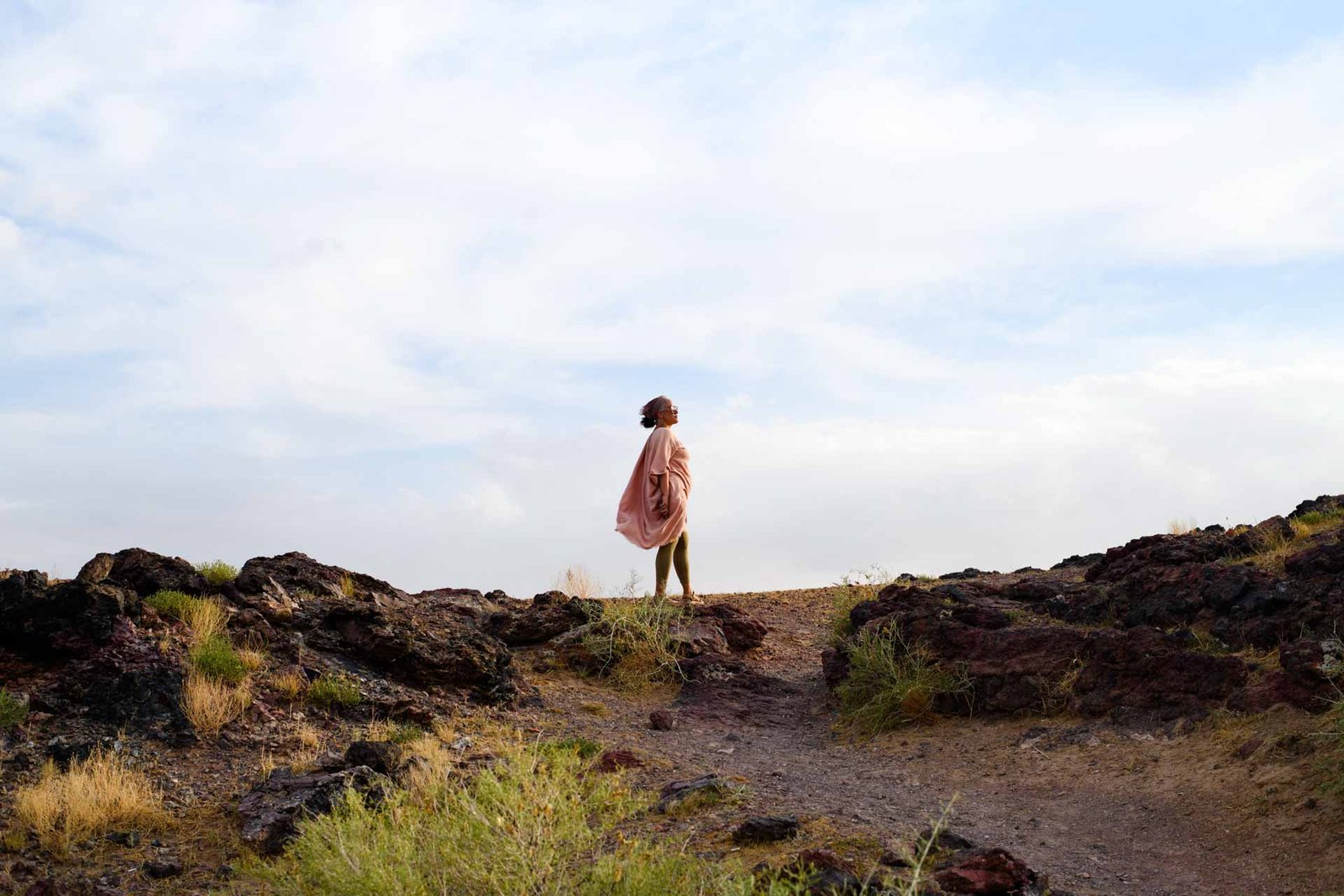
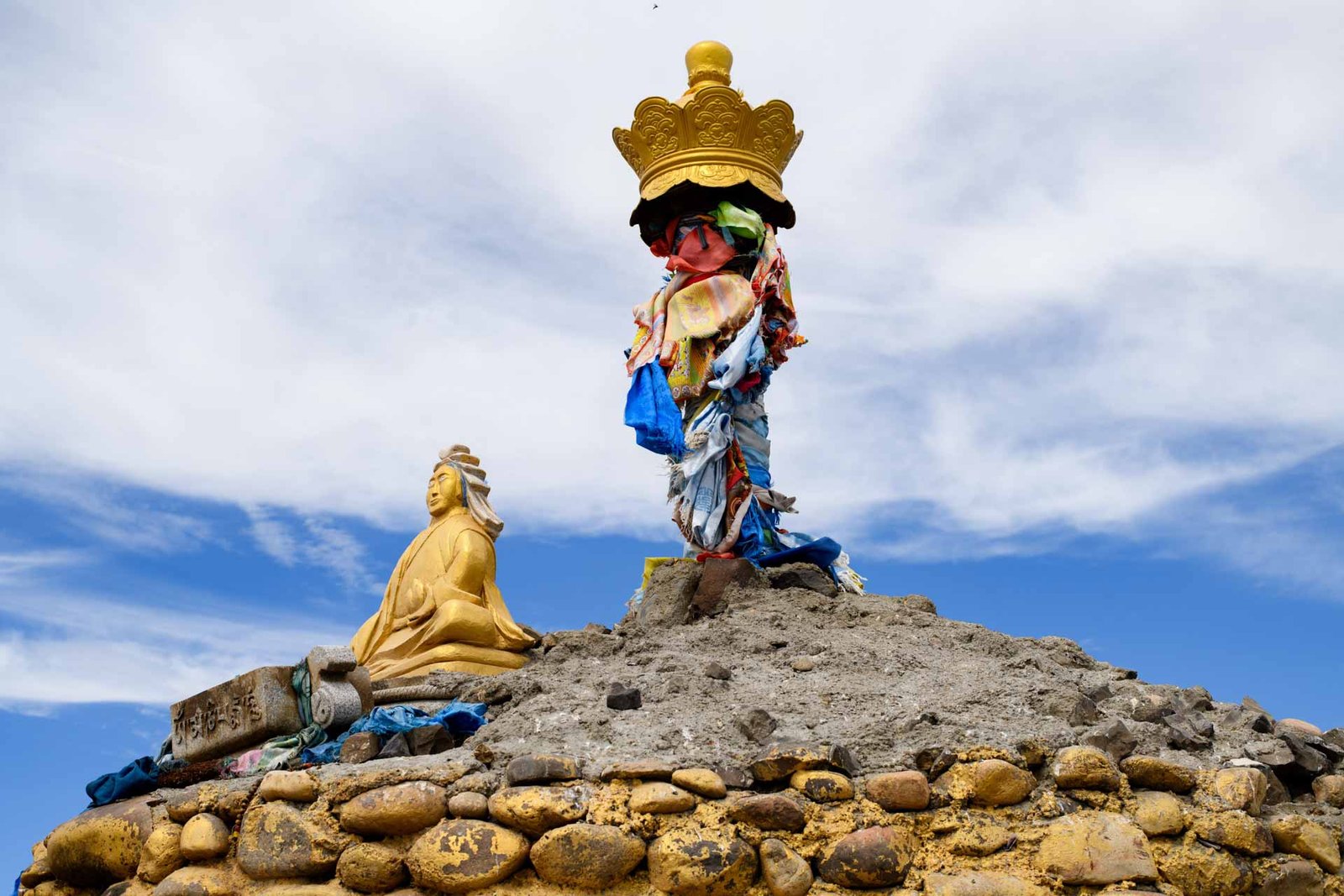
Mongolians travel here to pray and make offerings, carrying wishes and intentions to the mountain. We climbed toward the summit and made our own offerings there.
By this point in the journey, something had shifted.
We had been moving through Buddhist teachings, pilgrimage, desert, music, and silence for days. The practices no longer felt like separate experiences.
They had begun to form a language.
A way of being in relationship with a place.
An oasis, and a fire
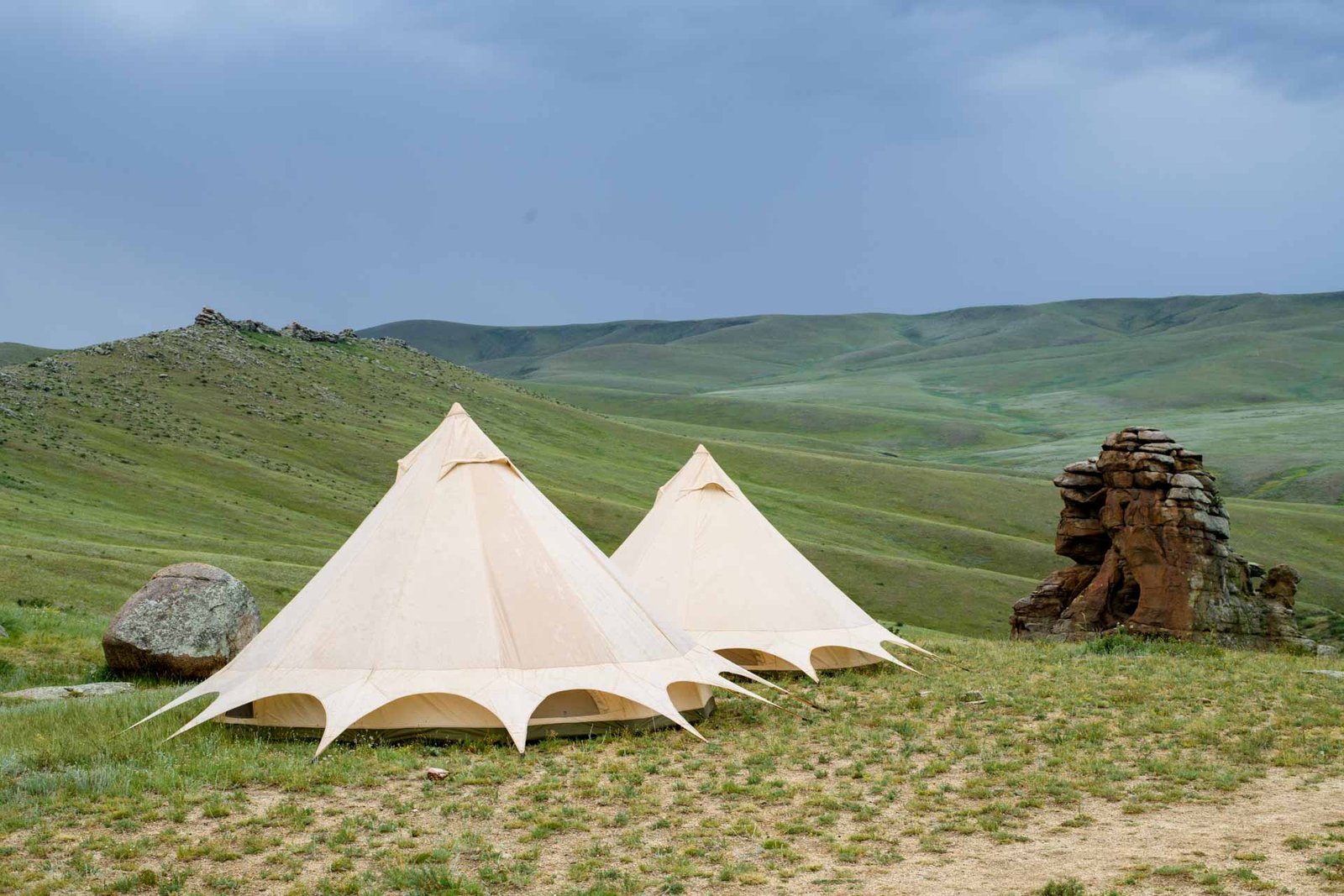
Our final destination was Ikh Nart, a nature reserve of rocky outcrops and open desert.
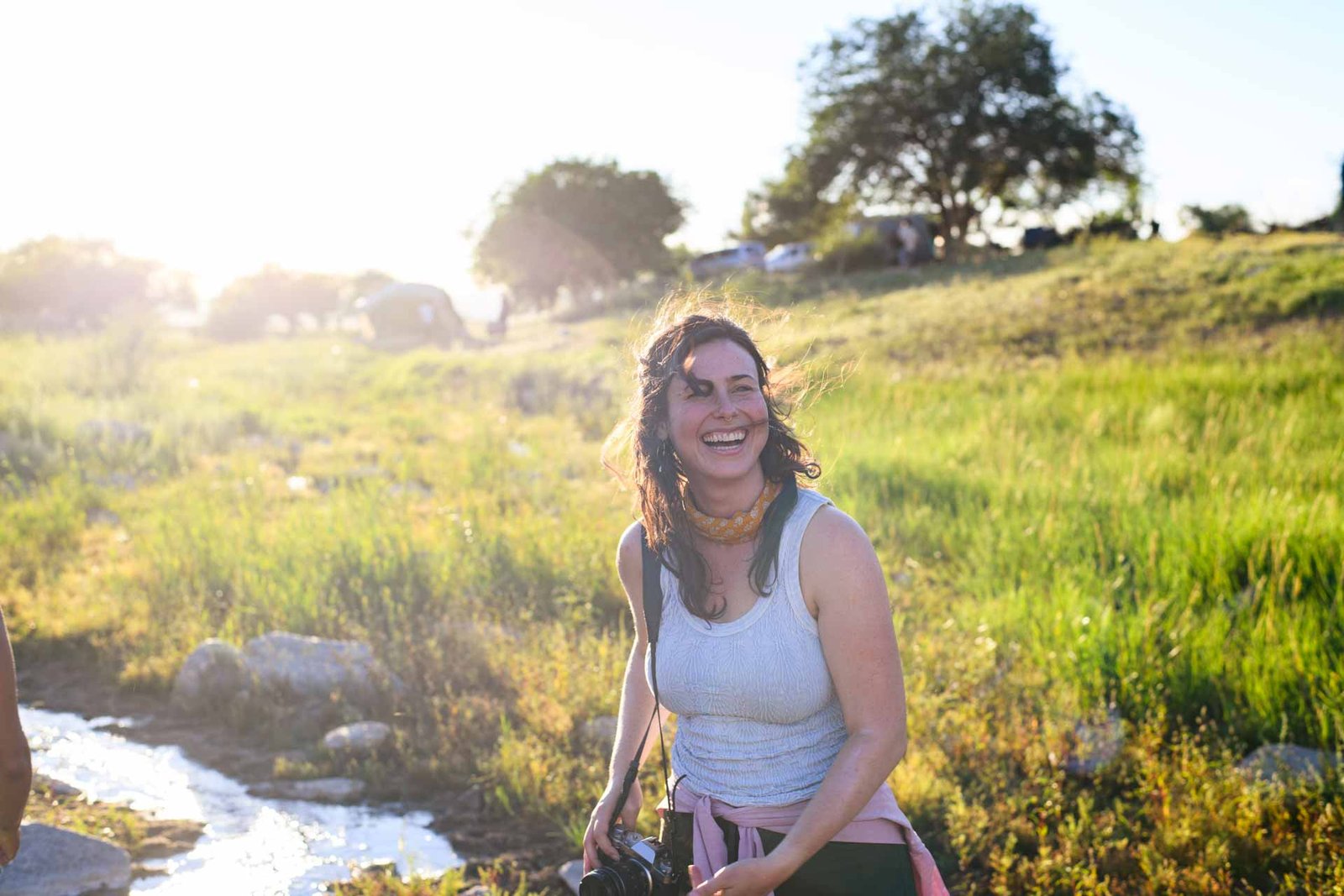
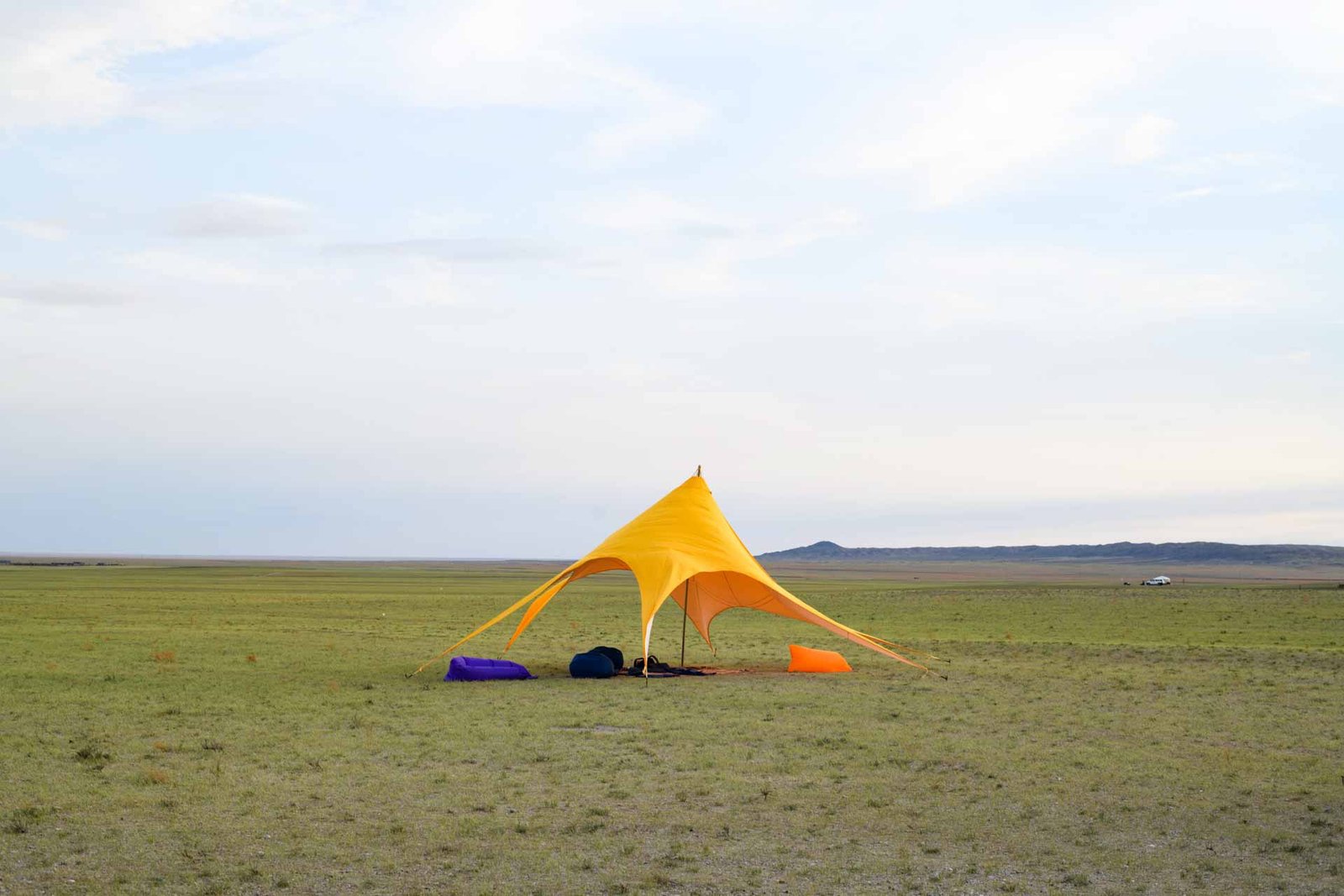
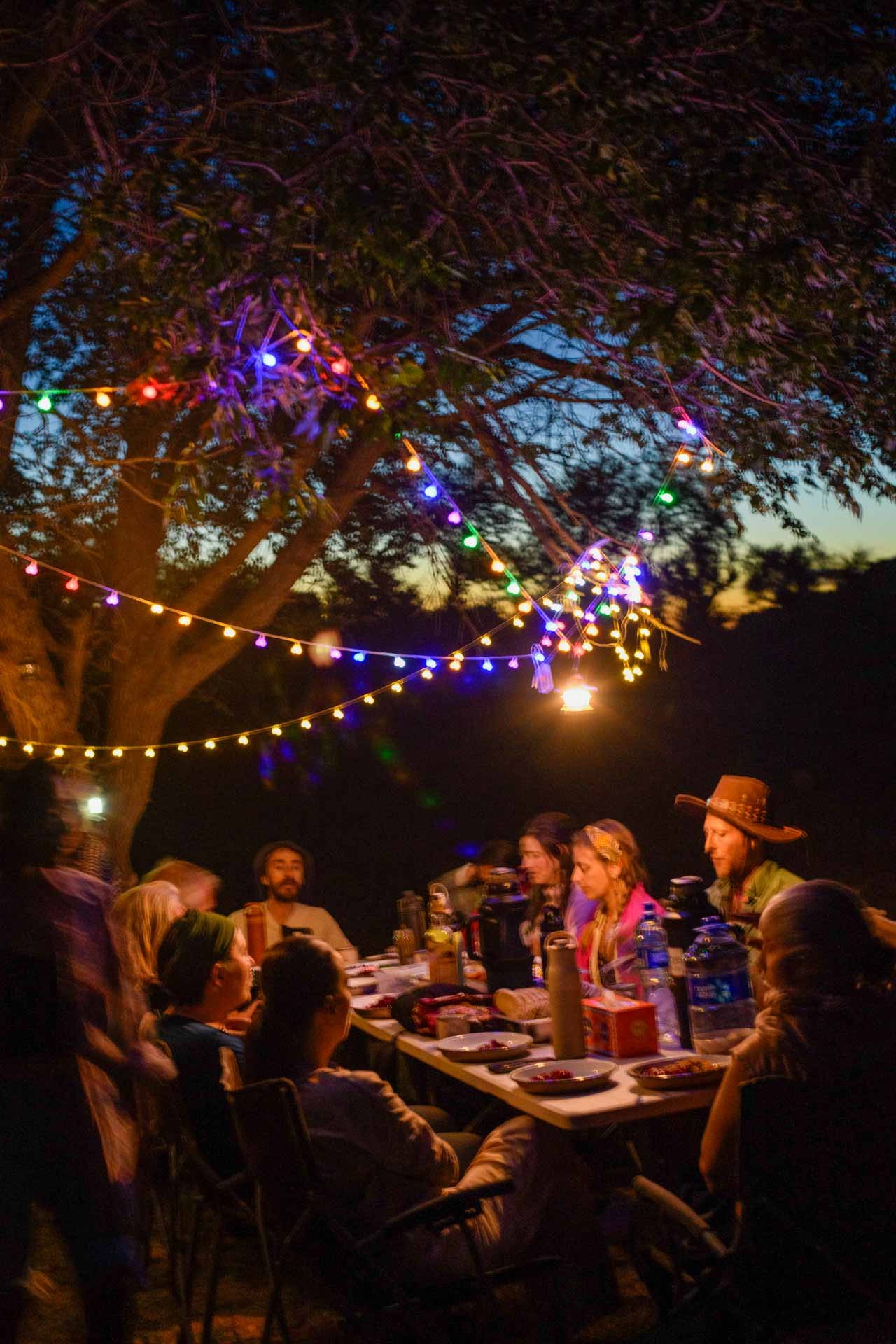
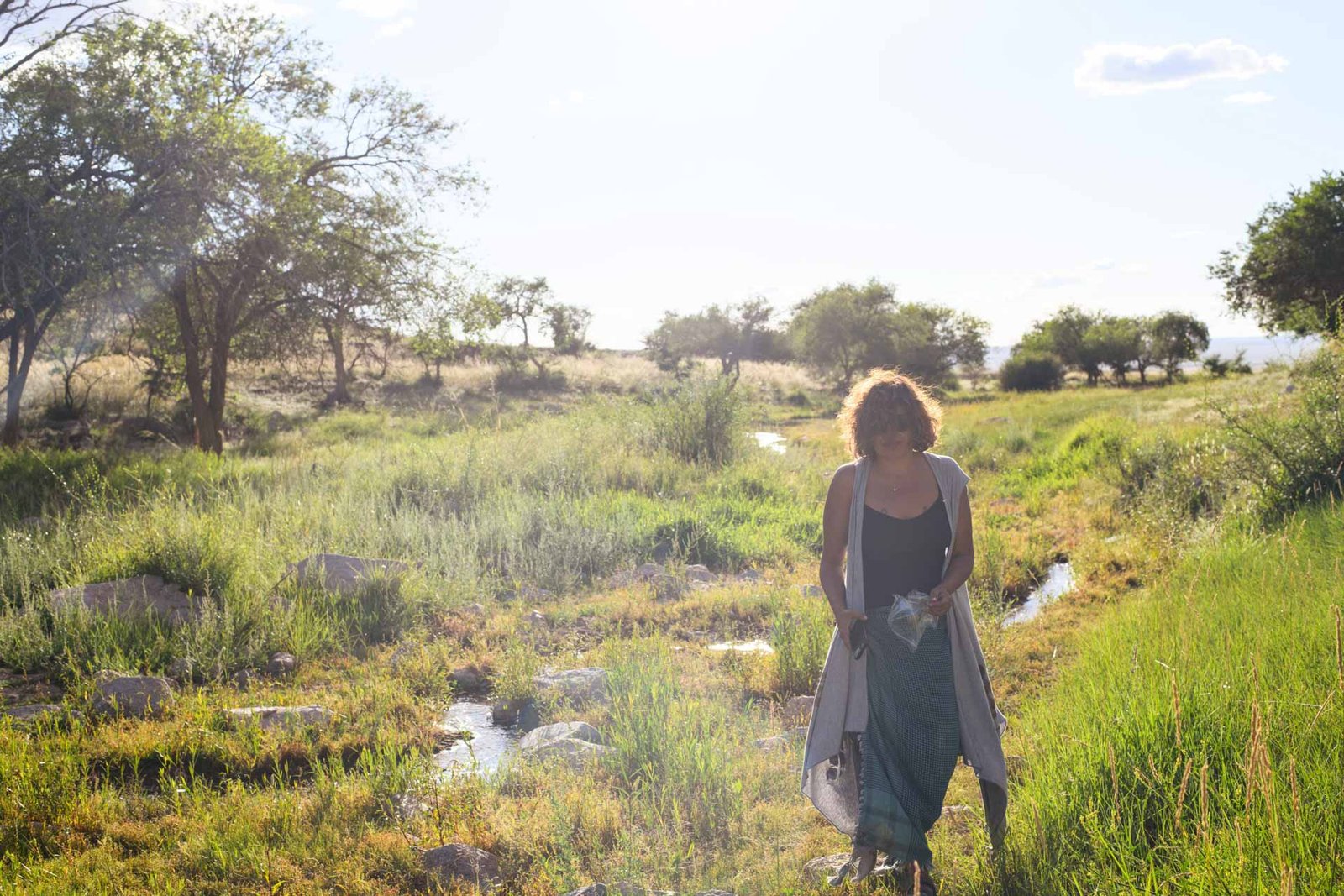
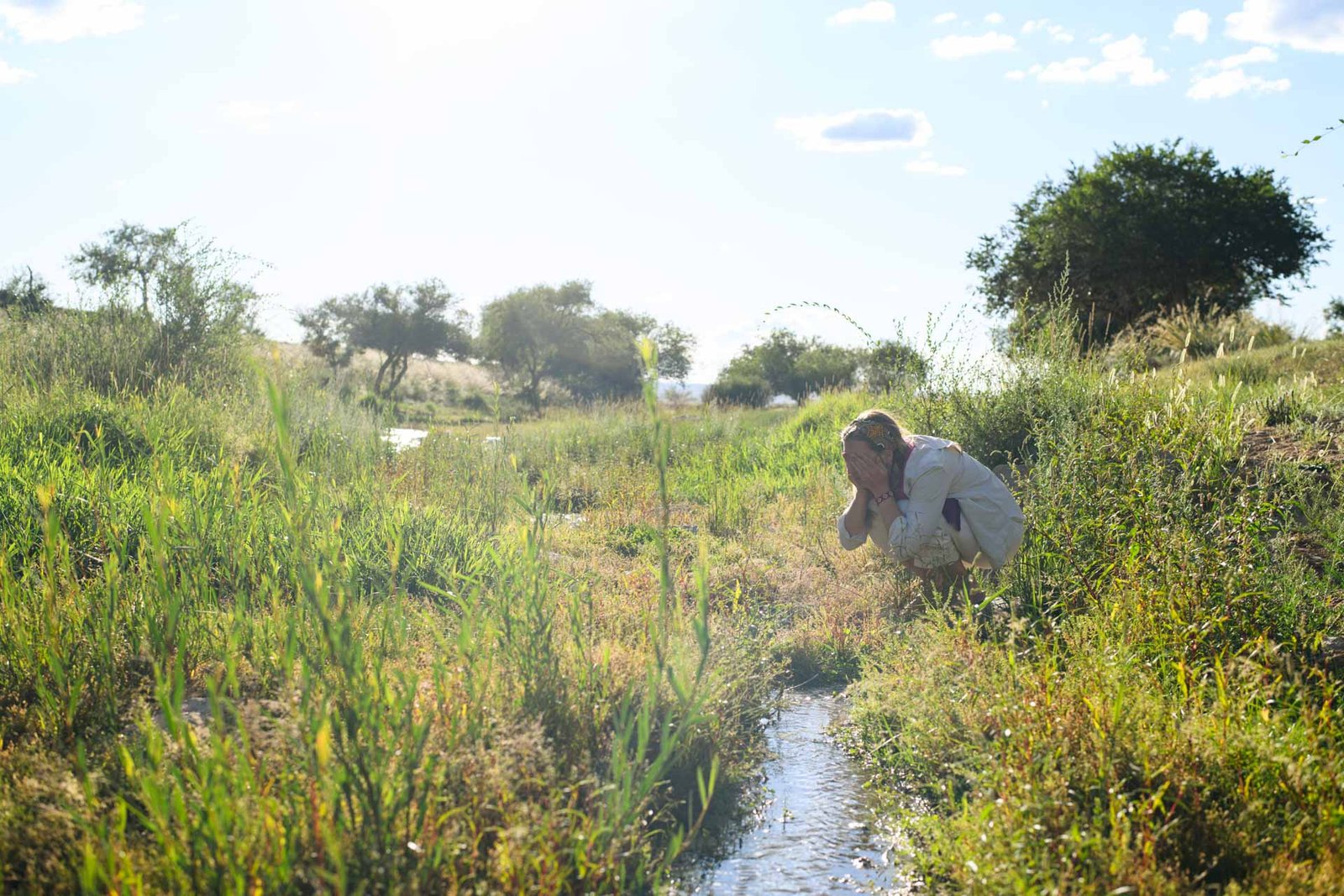
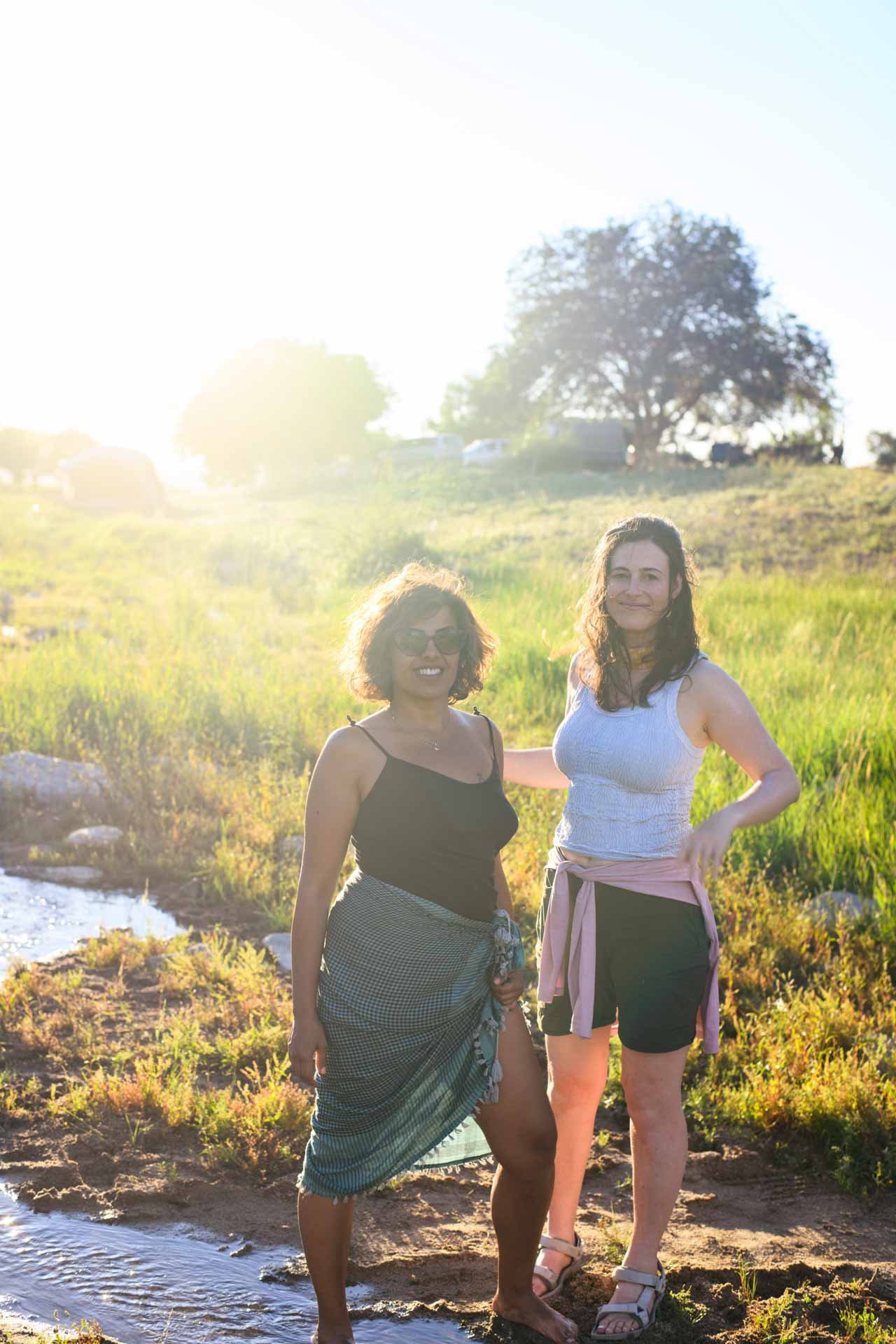
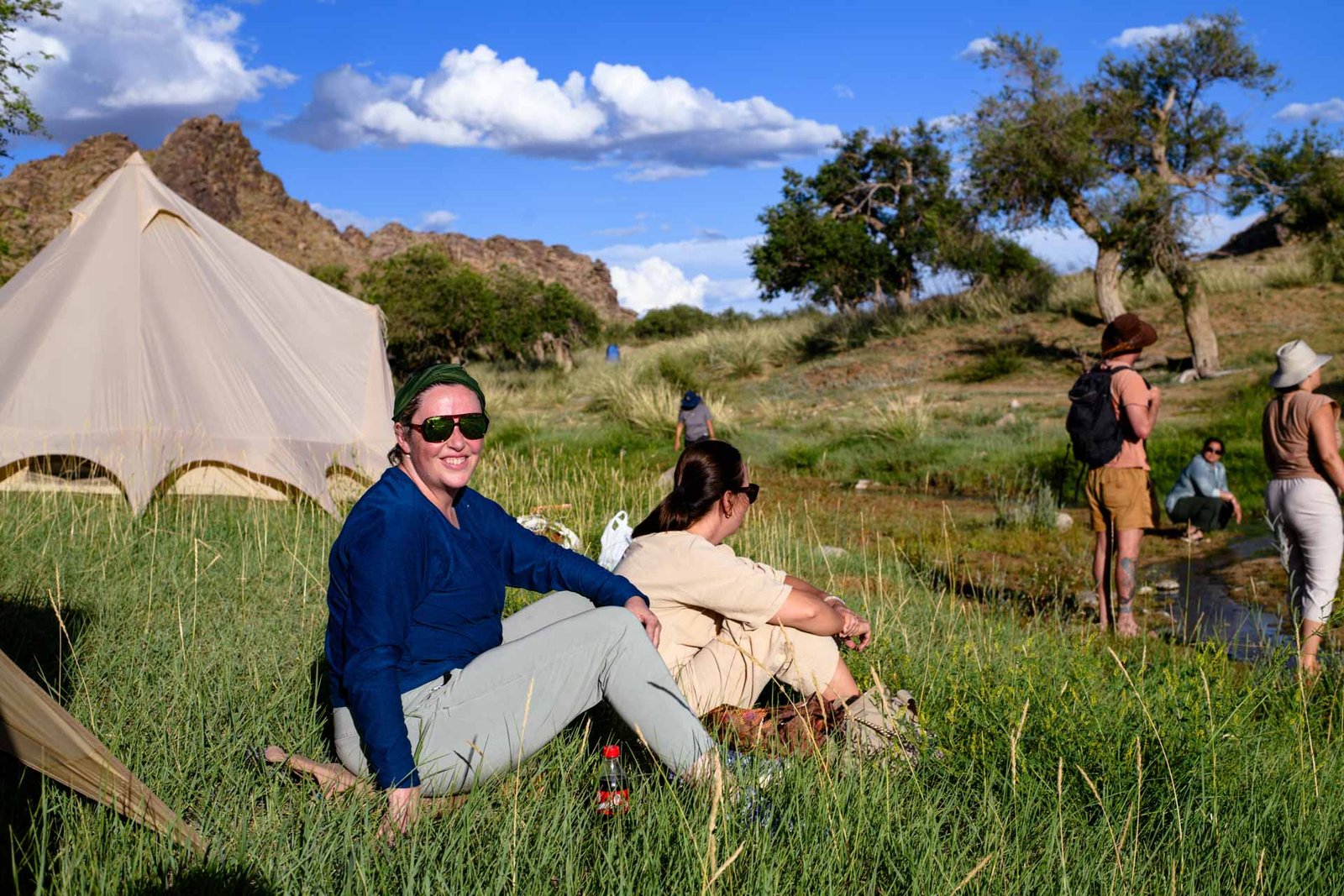
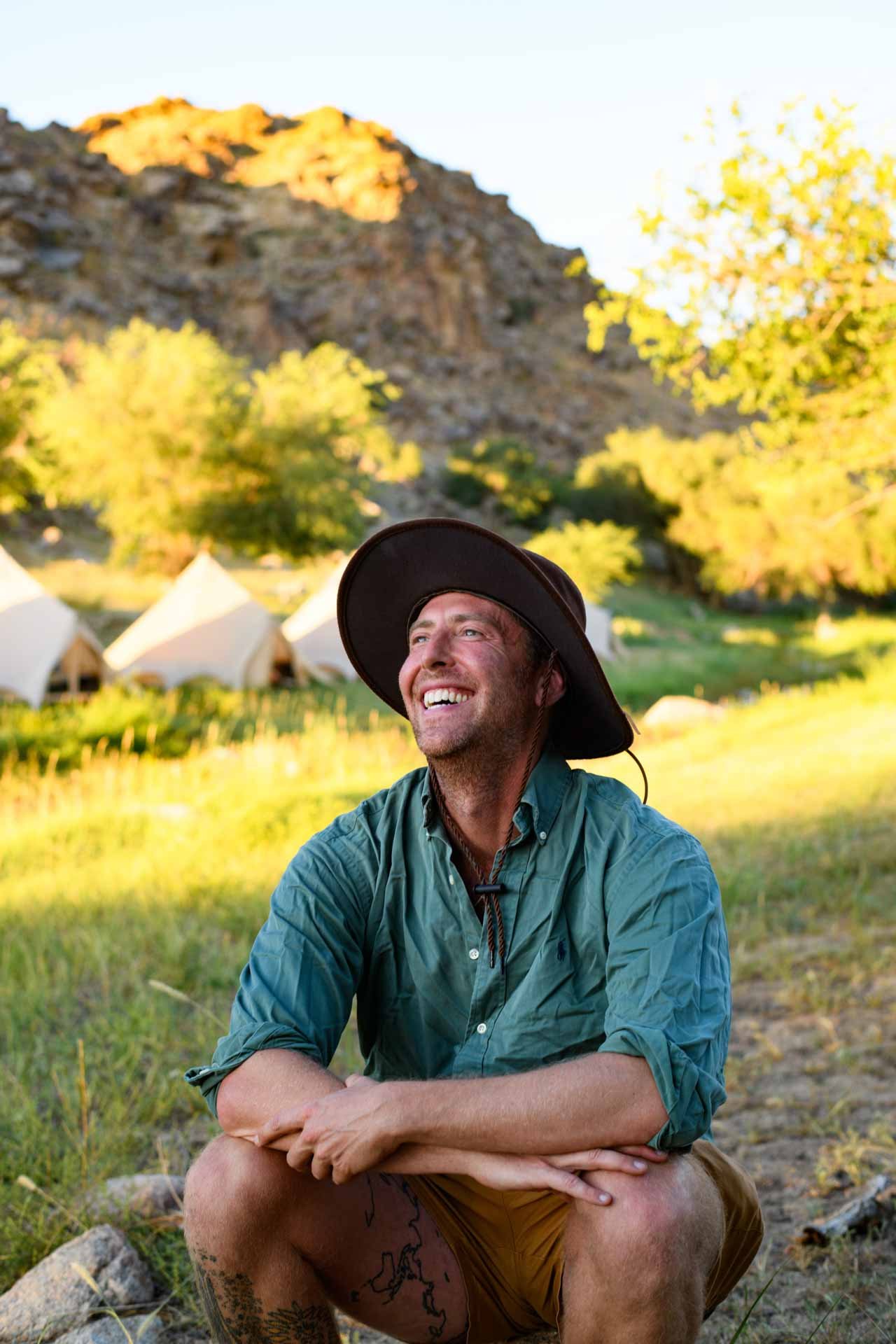
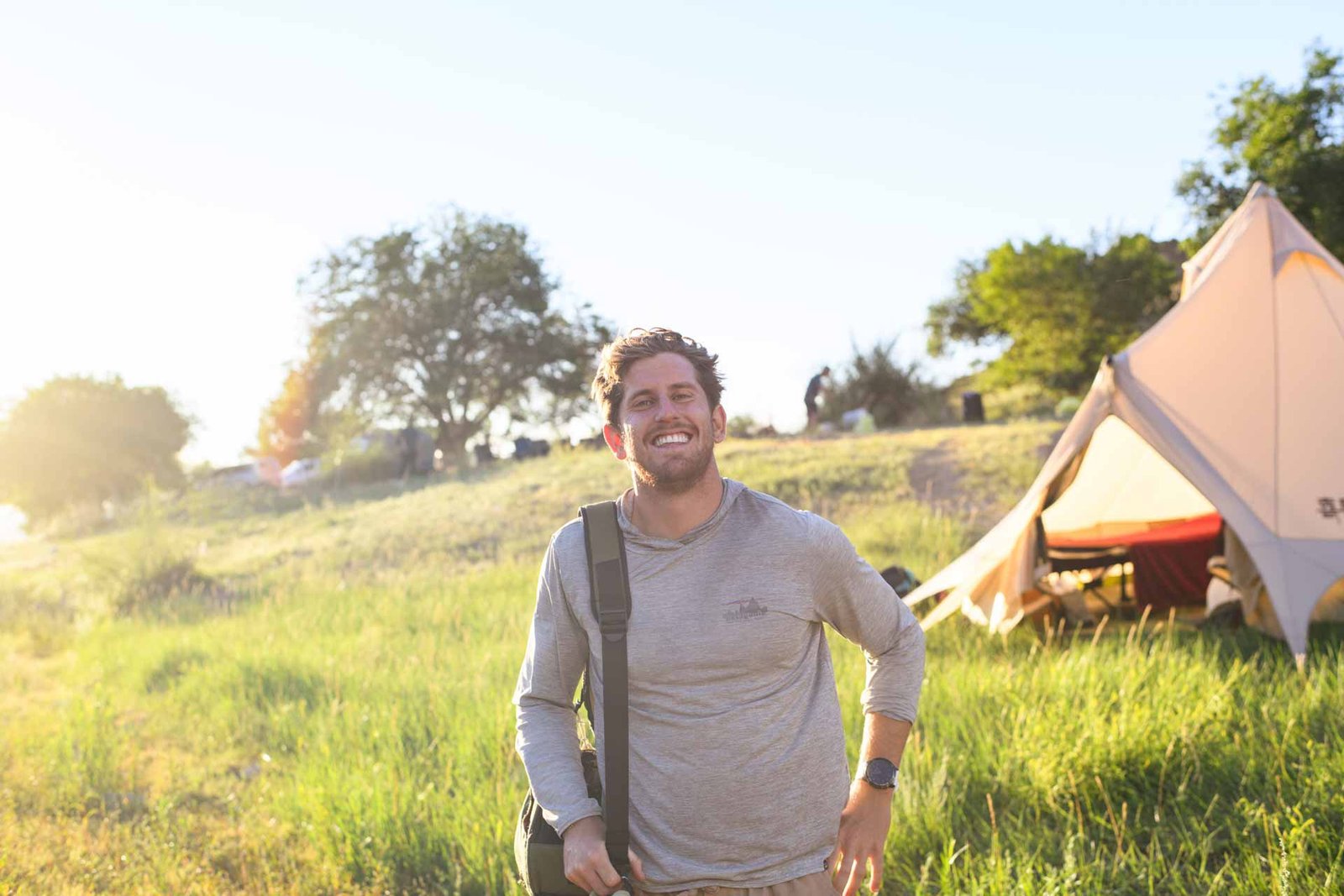
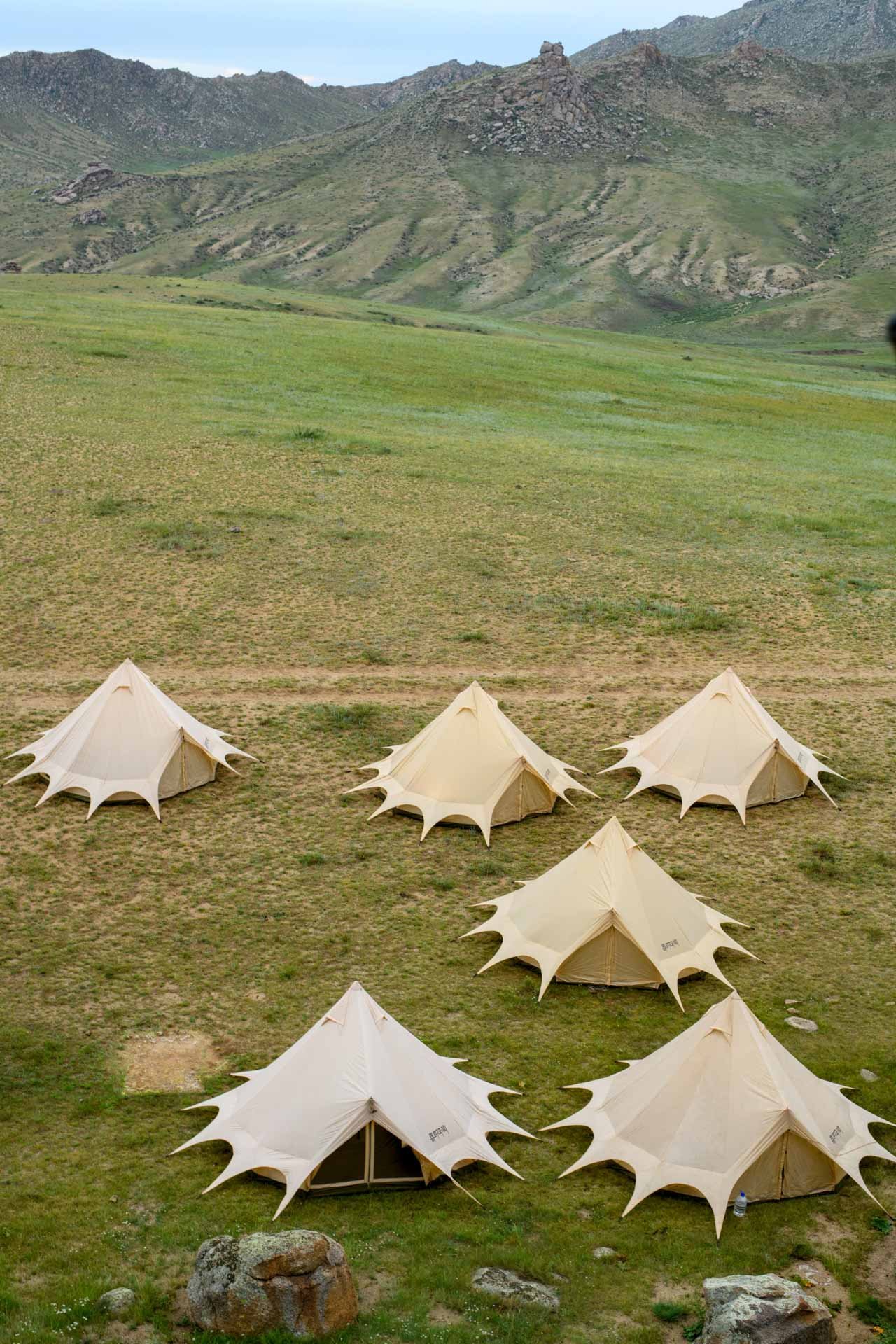
We camped beside a creek where green vegetation cuts unexpectedly through the arid landscape—an oasis surrounded by stone and sky.
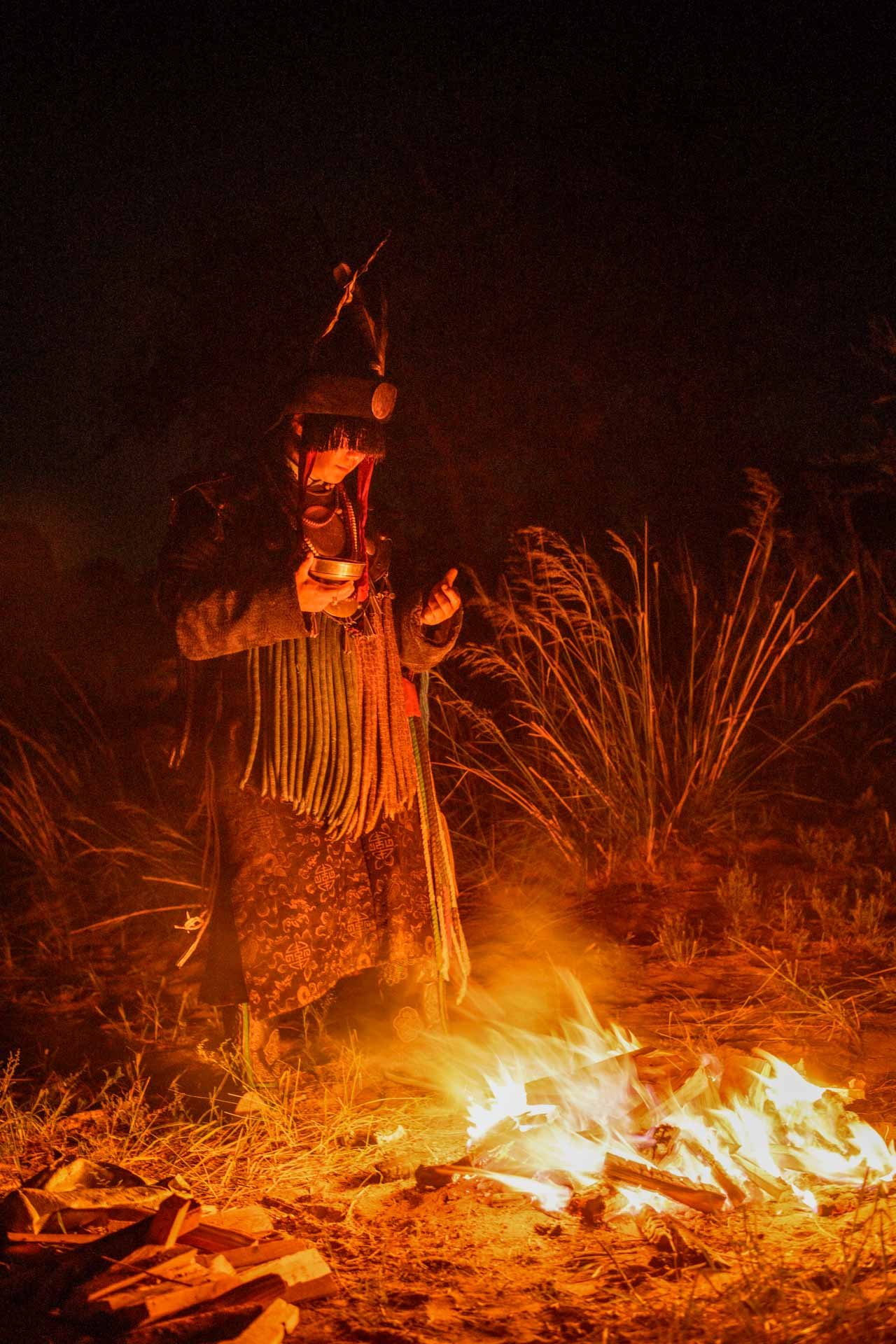
A shaman traveled there to meet us.
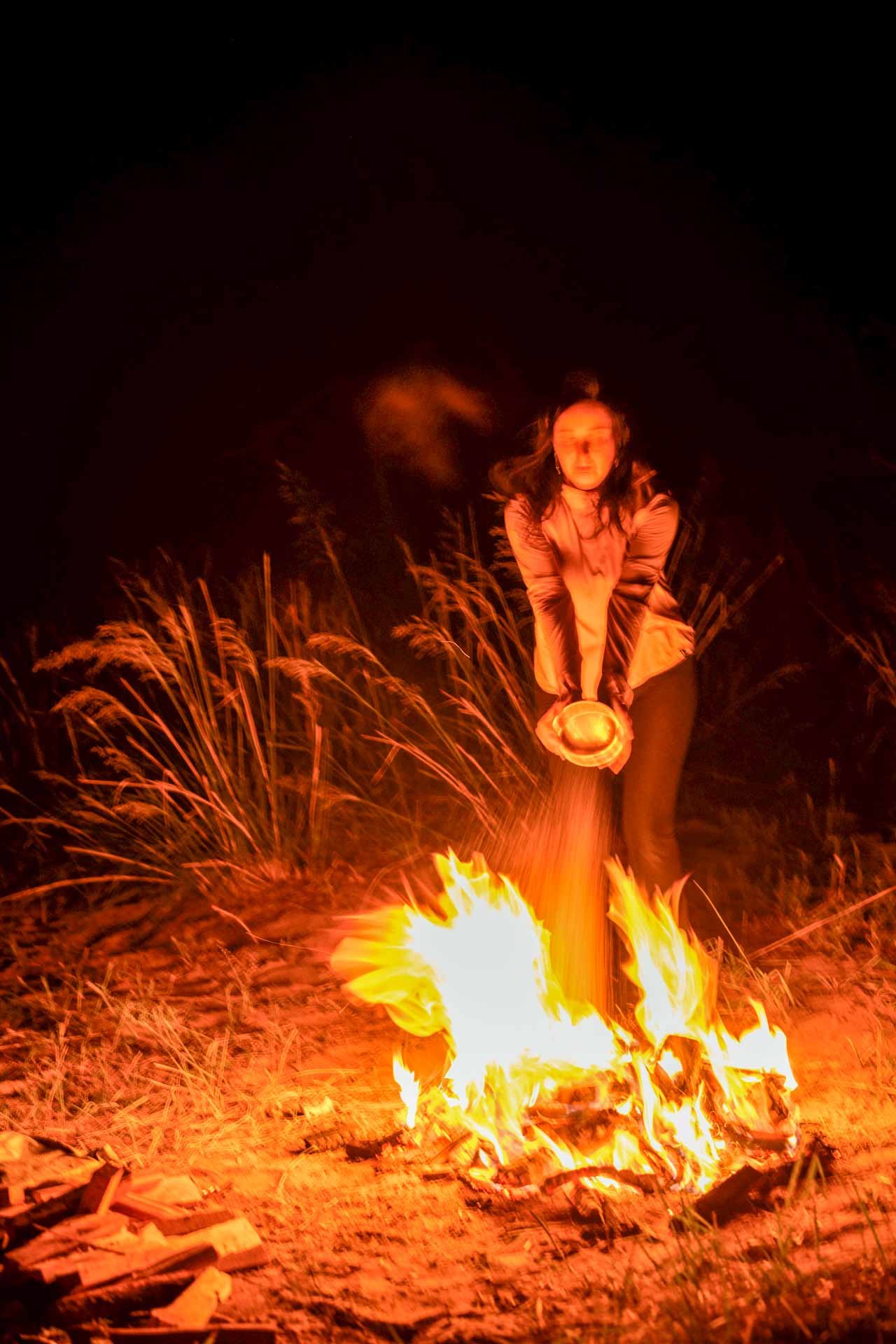
He spent time teaching us about Mongolian shamanism and his own relationship to the traditions he carries. Then, on our final night in the desert, we gathered around a fire for ceremony.
It felt fitting that the journey ended there.
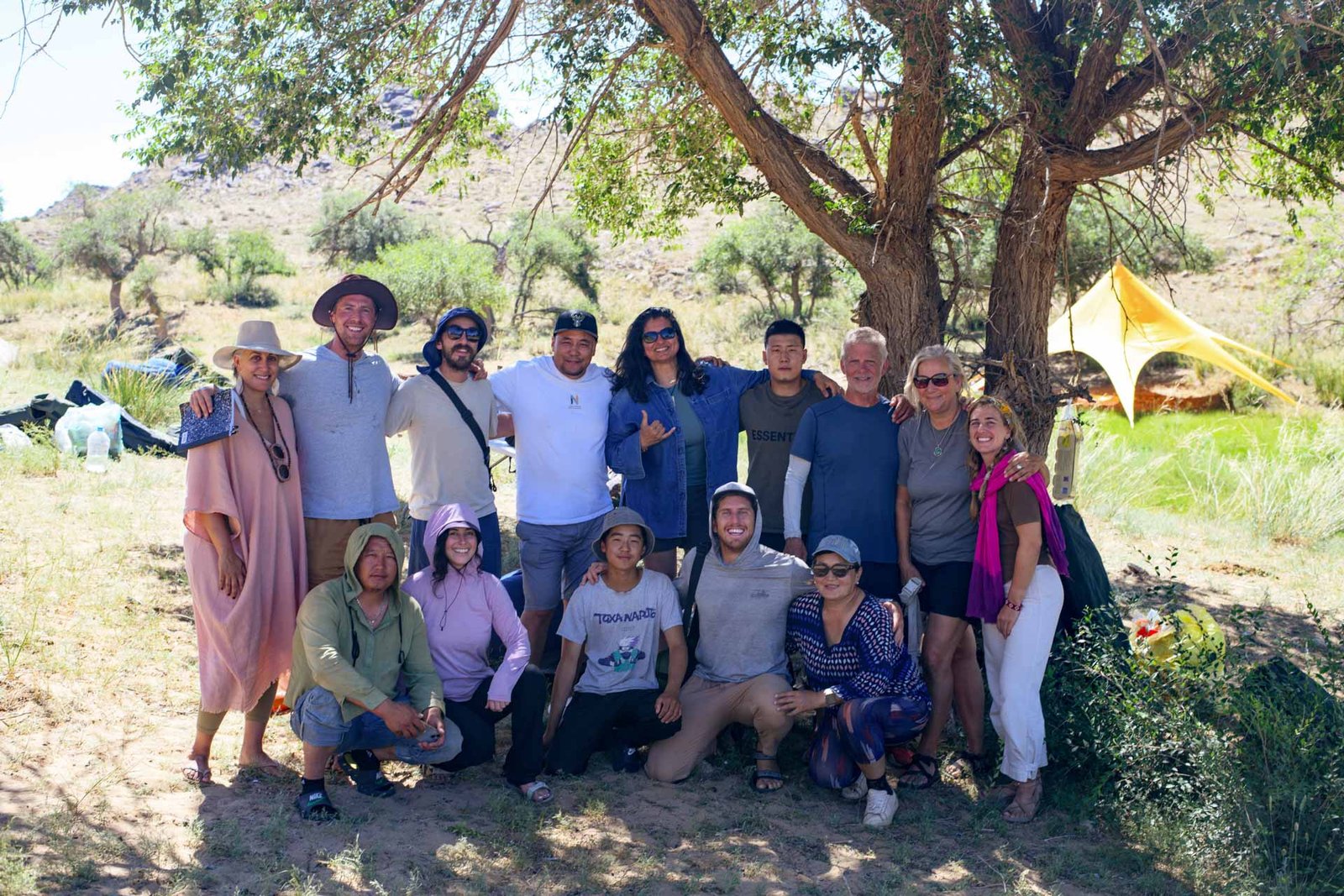
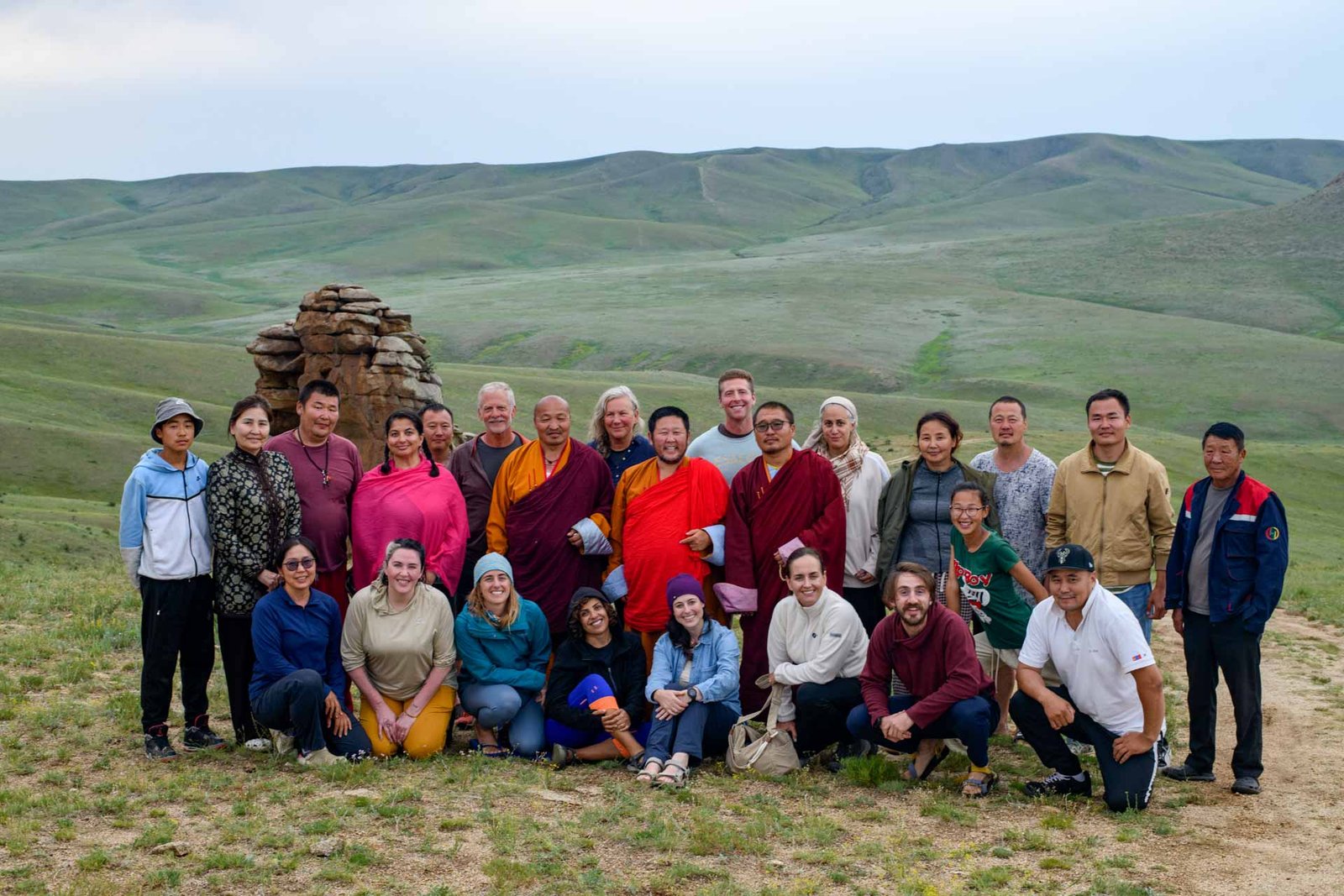
We had begun with a Buddhist lama in the open steppe. We had walked through Shambhala with a poet. We had listened to musicians play beneath the desert sky. And now we sat around a fire at an oasis with a shaman.
Different traditions. Different ways of understanding the world.
But each, in its own way, asking us to pay attention to our relationship with something larger than ourselves.
The following morning, we returned to Ulaanbaatar.
The journey continues
Every year, these pilgrimages evolve.
In 2027, rather than beginning at the cave retreat site, we will begin at Choiriin Bogd, where granite mountains rise from the steppe as the landscape begins its transition toward the Gobi.
The region is associated with the origins of urtiin duu, Mongolian long song—music whose drawn-out notes seem to carry the vastness of the landscape itself.
It is my favorite form of Mongolian music.
So this year, we will invite a long-song singer to join us there and perform beneath the open sky, in the landscape from which the tradition emerged.
And once again, Mend-Ooyo will meet us in Shambhala and lead us through its poetry, history, Buddhist traditions, and pilgrimage route. We will continue through the desert before ending at Ikh Nart, where a shamanic ceremony will close the journey.
Poetry. Music. Buddhism. Shamanism. Desert.
Not as a collection of experiences, but as different doorways into relationship with a place.
That, for me, is what makes it a pilgrimage.
The next Gobi Pilgrimage runs August 12–21, 2027.
Explore the Journeys
If this way of traveling resonates, explore the journeys designed with these principles in mind.